
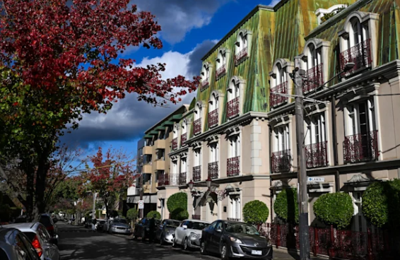

Melbourne's older homes have an undeniable appeal.
From Victorian terraces in the inner suburbs to weatherboard homes scattered throughout established neighbourhoods, these properties offer character, craftsmanship, and locations that newer developments often struggle to replicate. High ceilings, ornate detailing, mature gardens, and proximity to transport and amenities continue to attract buyers despite rising property prices.
Yet experienced property professionals understand something that first-time buyers often discover later.
The purchase price of an older home is rarely the full cost of ownership.
Many of the expenses associated with older properties emerge gradually, sometimes months or years after settlement. Some are visible during inspections. Others remain hidden behind walls, beneath floors, or within ageing infrastructure until problems become impossible to ignore.
This does not mean older homes should be avoided. Many represent excellent long-term investments.
The challenge is understanding where the hidden costs typically arise and how they influence the true economics of ownership.
The Difference Between Character and Condition
One of the most common mistakes buyers make is confusing character with condition.
Character refers to architectural style, heritage features, craftsmanship, and historical appeal.
Condition refers to how well the property has been maintained over time.
The two are often unrelated.
A beautifully preserved Edwardian home may have excellent structural integrity and decades of careful maintenance behind it.
A similarly aged property next door may present well cosmetically while concealing years of deferred repairs.
The distinction matters because buyers often develop emotional attachment to character features before fully understanding the condition of the asset itself.
This creates a subtle but important risk.
The more emotionally appealing a property becomes, the easier it can be to underestimate future costs.
Melbourne's Reactive Soil Creates Unique Challenges
One of Melbourne's most persistent property issues originates beneath the building itself.
Many areas across Melbourne sit on reactive clay soils that expand and contract as moisture levels change.
Over time, this movement can affect foundations and structural elements.
Common symptoms include:
- Cracks in brickwork
- Doors that no longer close properly
- Uneven flooring
- Gaps around windows
- Movement in walls and ceilings
The challenge is that not all movement indicates a serious structural issue.
However, determining the difference between cosmetic movement and ongoing structural movement often requires professional assessment.
A useful observation from building professionals is that buyers frequently focus on visible cracks while overlooking the drainage or soil conditions causing them.
The crack is often the symptom.
The soil movement is the underlying issue.
Moisture Problems Tend to Compound Over Time
Melbourne's climate creates ideal conditions for moisture-related defects.
Older homes are particularly vulnerable because many were built using construction methods and materials that predate modern waterproofing standards.
Common issues include:
- Rising damp
- Subfloor moisture
- Mould growth
- Timber decay
- Inadequate ventilation
What makes moisture particularly expensive is its ability to affect multiple building systems simultaneously.
A small moisture issue rarely remains isolated.
Over time, it can contribute to structural deterioration, flooring damage, paint failure, and pest attraction.
One of the industry's recurring lessons is simple:
"Water is rarely expensive because of where it starts. It becomes expensive because of where it spreads."
Ageing Infrastructure Often Escapes Attention
Buyers naturally focus on what they can see.
Kitchens, bathrooms, living spaces, and outdoor areas receive significant attention during inspections.
The building's infrastructure often does not.
Yet many of the largest ownership costs are associated with systems operating behind the scenes.
Older properties may contain:
- Ageing electrical wiring
- Outdated switchboards
- Legacy plumbing systems
- Corroded pipes
- Deteriorating stormwater infrastructure
These systems can continue functioning adequately for years before requiring significant upgrades.
The problem is not necessarily immediate failure.
It is the growing likelihood of future replacement.
For many owners, infrastructure upgrades become some of the least anticipated expenses associated with older homes.
The Renovation Trap
Many Melbourne properties have undergone multiple renovations throughout their lifespan.
Some renovations are completed to an exceptional standard.
Others prioritise appearance over durability.
This creates an interesting contradiction.
Renovations often increase buyer confidence while simultaneously making defects harder to identify.
Fresh paint can conceal previous moisture staining.
New flooring can obscure cracking.
Modern bathrooms may hide ageing waterproofing systems.
A useful rule for buyers is that the newest part of the property is not always the lowest-risk part of the property.
The quality of workmanship matters far more than the age of the renovation itself.
Termites Are Not Just a Queensland Problem
Many buyers associate termite risk with warmer climates.
However, inspectors regularly encounter termite activity throughout parts of Melbourne, particularly in areas near waterways, bushland, and moisture-prone environments.
Older timber structures can be especially vulnerable.
The challenge is that termite damage often develops silently.
By the time visible evidence appears, substantial deterioration may already exist.
This is one reason many buyers arrange a professional building and pest inspection Melbourne property specialists recommend before committing to an older home.
The objective is not simply to identify existing activity.
It is to understand potential risks before they become ownership problems.
Maintenance Histories Matter More Than Building Age
One of the most useful insights experienced property investors develop is that age is often less important than maintenance.
A well-maintained home built in the 1930s may present fewer ownership risks than a poorly maintained property built twenty years ago.
Maintenance creates resilience.
Neglect accelerates deterioration.
Unfortunately, maintenance history is not always obvious.
Buyers can usually identify recent renovations.
They often struggle to identify consistent preventative maintenance.
Yet preventative maintenance is frequently what separates properties that age gracefully from properties that become increasingly expensive to own.
The Emotional Premium of Older Homes
There is another hidden cost associated with older homes.
Emotion.
Character homes often create stronger emotional responses than newer properties.
Buyers imagine restoration projects, future renovations, family gatherings, and lifestyle aspirations.
This emotional connection can be powerful.
It can also influence financial judgement.
A recurring behavioural pattern in property transactions is that buyers become more tolerant of risk when they are emotionally attached to a property.
Repair costs seem manageable.
Defects feel temporary.
Maintenance requirements appear less significant.
The building itself has not changed.
The buyer's perception has.
Sophisticated buyers recognise this tendency and deliberately create decision-making processes that balance emotional appeal with objective assessment.
The Real Cost of Ownership
One of the most important distinctions in property is the difference between acquisition cost and ownership cost.
Acquisition cost is what you pay to purchase the property.
Ownership cost includes:
- Maintenance
- Repairs
- Insurance
- Compliance upgrades
- Infrastructure replacement
- Ongoing improvements
Older homes often perform exceptionally well as long-term assets.
However, buyers who focus solely on acquisition cost may underestimate the resources required to maintain them properly.
The most successful owners are often those who budget for future maintenance before problems emerge.
Melbourne's older homes remain some of the city's most desirable properties. Their architectural character, established locations, and long-term appeal continue to attract buyers across a wide range of market conditions.
However, age introduces complexities that newer homes may not face.
Reactive soils, moisture issues, ageing infrastructure, historical renovations, termite activity, and deferred maintenance all contribute to the hidden costs that can emerge after settlement.
A professional building and pest inspection Melbourne service helps buyers move beyond appearance and gain a clearer understanding of the property's true condition before making a commitment.
Because in property, the most expensive costs are rarely the ones included in the listing price. They are the ones that reveal themselves after the keys have already changed hands.


(0) comments
We welcome your comments
Log In
Post a comment as Guest
Keep it Clean. Please avoid obscene, vulgar, lewd, racist or sexually-oriented language.
PLEASE TURN OFF YOUR CAPS LOCK.
Don't Threaten. Threats of harming another person will not be tolerated.
Be Truthful. Don't knowingly lie about anyone or anything.
Be Nice. No racism, sexism or any sort of -ism that is degrading to another person.
Be Proactive. Use the 'Report' link on each comment to let us know of abusive posts.
Share with Us. We'd love to hear eyewitness accounts, the history behind an article.