
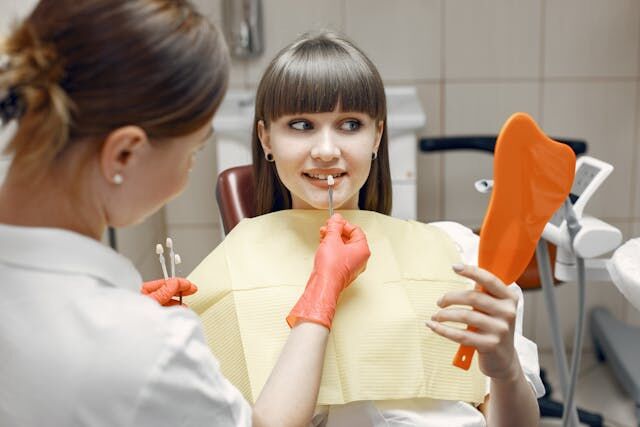
A perfect smile can light up a room, boost confidence, and leave a lasting impression. If you've considered enhancing your smile, veneers might have come up in your research. Veneers are becoming more popular for their ability to transform smiles efficiently and effectively. But what exactly are they, and what should you know before taking the plunge? Your dentist in Slidell can quickly answer any questions you may have. Let’s dive deeper into how veneers work and some facts you should know if you’re considering veneers.
What are veneers?
Veneers are thin shells, typically made from porcelain or composite resin, custom-fitted to cover the front surface of teeth. They can improve the appearance of your smile by addressing issues like discoloration, chips, gaps, and misalignment. These shells are bonded to your teeth, providing a durable and aesthetically pleasing solution to many common dental concerns.
Fact 1: Veneers offer a versatile solution
One of the most significant advantages of veneers is their versatility. Whether you're dealing with stained teeth that don't respond to whitening treatments or minor cosmetic issues like chipped or uneven teeth, veneers can be an excellent solution.
Veneers address multiple dental problems with a single treatment. They can provide a comprehensive fix if you have several issues, like gaps between teeth and discoloration. This versatility makes them popular among patients looking to enhance their smiles.
Another benefit is the natural appearance of veneers. High-quality veneers mimic the look of natural teeth, ensuring that your new smile blends seamlessly with your existing dental structure. This aesthetic advantage is one of the primary reasons patients opt for veneers over other cosmetic treatments.
Fact 2: The procedure is minimally invasive
Many dental patients worry about the invasiveness of cosmetic procedures. Luckily, getting veneers is relatively straightforward and minimally invasive compared to other dental treatments. The process typically starts with a consultation where the dentist will assess your overall oral health and talk with you about your aesthetic goals. Once you decide to proceed, the dentist will remove a small amount of enamel from the front surface of the teeth. This step can ensure a proper fit and natural appearance.
After the enamel removal, the dentist sends impressions of your teeth to a lab where your custom veneers are crafted. Once ready, the veneers will be bonded to your teeth using a strong adhesive. The entire process usually involves just two to three visits.
Fact 3: Veneers require proper maintenance
Maintaining your veneers is similar to taking care of your natural teeth. Regular brushing and flossing are essential to help you prevent plaque buildup and maintain oral hygiene. Using non-abrasive toothpaste and a soft-bristle toothbrush can help protect the surface of your veneers.
You should also avoid any habits that can damage your veneers. For example, refrain from biting nails, chewing on hard objects, or using teeth as tools. Regular dental check-ups can allow the dentist to monitor your veneers and make sure they stay in good shape.
Fact 4: Veneers are a long-term investment
Veneers can be a long-term investment in your oral health and appearance. While the initial cost may seem high, the benefits and longevity of veneers often justify the expense. High-quality veneers can last at least 10 years, depending on how well you care for them. This makes them a cost-effective option compared to other cosmetic treatments that may require frequent touch-ups or replacements.
Additionally, veneers can provide significant psychological benefits. Improved self-esteem and confidence often accompany a better smile, potentially leading to positive impacts in both personal and professional aspects of your life. This long-term emotional investment is another reason many patients opt for veneers.
Fact 5: Not everyone is a candidate for veneers
While veneers offer numerous benefits, they're not suitable for everyone. Consult a qualified dentist to determine whether you're a good candidate for this treatment. Certain dental conditions, like severe decay or gum disease, may need to be addressed before considering veneers. And individuals who grind or clench their teeth (bruxism) may not be ideal candidates, as these habits can damage veneers over time.
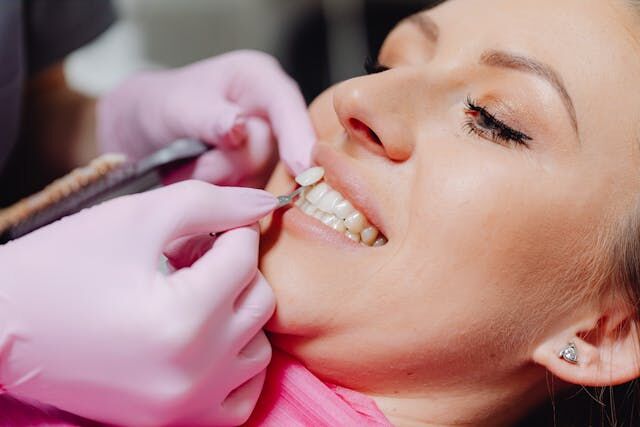
Your overall oral health and specific dental needs will help you see if veneers are the right option for you. A thorough evaluation by your dentist can also help identify potential issues and ensure that veneers are a suitable solution for your smile.
The bottom line
Consulting with an experienced dentist in Slidell and considering your unique needs and goals will help you determine if veneers are the right choice. With the right information and professional guidance, you can confidently take your first step toward a brighter, more beautiful smile.


(0) comments
We welcome your comments
Log In
Post a comment as Guest
Keep it Clean. Please avoid obscene, vulgar, lewd, racist or sexually-oriented language.
PLEASE TURN OFF YOUR CAPS LOCK.
Don't Threaten. Threats of harming another person will not be tolerated.
Be Truthful. Don't knowingly lie about anyone or anything.
Be Nice. No racism, sexism or any sort of -ism that is degrading to another person.
Be Proactive. Use the 'Report' link on each comment to let us know of abusive posts.
Share with Us. We'd love to hear eyewitness accounts, the history behind an article.