
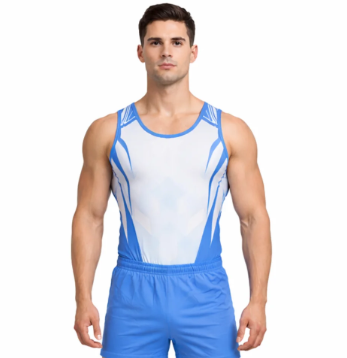
Table of Contents
1. The Evolution of Male Gymnastics Apparel
2. Understanding Fabric Technology and Performance
3. The Intersection of Comfort and Flexibility
4. Strategic Selection for Practice versus Competition
5. Sizing and Anatomical Precision
6. Maintenance and Longevity of High Performance Gear
7. Aesthetic Impact and Judging Standards
8. Elevating Your Performance through Quality Selection
The Evolution of Male Gymnastics Apparel
The world of men's gymnastics has undergone a significant transformation regarding the specialized clothing worn by athletes. Historically, male gymnasts relied on basic cotton blends that offered little in terms of moisture management or structural support. As the difficulty of the sport increased, the demand for better equipment followed suit. Today, the modern leotard is a marvel of textile engineering designed to provide the ultimate balance between aesthetic appeal and functional utility.
Selecting the right garment is no longer just about picking a color or a basic size. It involves understanding how different textiles react under the extreme stress of a vault or the constant friction of the pommel horse. For many athletes, finding that perfect blend of comfort meets flexibility: selecting the ideal men's leotard for competition and practice often begins with a visit to specialized retailers like Gymnastics Express where technical specifications are prioritized alongside style.
Modern designs focus heavily on the male physique, ensuring that the cut of the garment allows for a full range of motion in the shoulders and hips. This is particularly crucial for events like the still rings, where any restriction in the fabric can lead to a loss of momentum or a deduction in form. The evolution of these garments reflects a deeper understanding of biomechanics and the specific needs of the male gymnast.
Understanding Fabric Technology and Performance
The foundation of any high quality leotard lies in its material composition. Most professional garments utilize a blend of nylon and spandex, often referred to as Lycra. However, the ratio of these materials dictates how the garment will perform. A higher percentage of spandex provides more stretch, which is vital for flexibility, while a higher nylon content offers durability and compression.
1. Compression benefits: High quality fabrics provide light compression that helps keep muscles warm and reduces vibration during high impact landings.
2. Moisture wicking properties: Advanced synthetic fibers are designed to pull sweat away from the skin, preventing the garment from becoming heavy or slippery during a routine.
3. Four way stretch: This technology ensures the fabric expands and contracts in all directions, mirroring the movements of the athlete without losing its original shape.
When browsing the extensive catalog at Gymnastics Express, athletes should look for these specific technical features. The inclusion of mesh panels in high heat areas, such as the underarms or the back, can also significantly improve breathability. This technical approach to fabric selection ensures that the athlete remains focused on their performance rather than any physical discomfort caused by their attire.
The Science of Sublimation
A major advancement in fabric technology is the process of sublimation. This involves dyeing the fabric at a molecular level, allowing for vibrant colors and complex patterns that do not peel, crack, or fade over time. Unlike traditional screen printing, which adds a layer of ink on top of the fabric that can restrict stretch, sublimation keeps the fabric soft and fully functional. This is a critical consideration for competition wear where visual impact is just as important as physical performance.
The Intersection of Comfort and Flexibility
The primary challenge in designing a men's leotard is ensuring that it stays in place without being overly restrictive. A garment that is too tight can cause chafing and limit the reach of the arms, while one that is too loose can become a safety hazard or look sloppy to the judges. The intersection of comfort and flexibility is found in the precision of the cut and the quality of the stitching.
Flatlock stitching is a hallmark of a premium leotard. This method joins two pieces of fabric with a flat seam, eliminating the bulky ridges found in standard seams. This reduces skin irritation significantly, especially during long training sessions where repetitive motions are common. Flexibility is further enhanced by ergonomic seam placement, which follows the natural lines of the musculature rather than cutting across them.
Finding this balance is an art form. It requires an athlete to test the garment through a full range of motion. A simple reach test, where the gymnast extends their arms fully overhead and then touches their toes, can reveal if the leotard will ride up or pull uncomfortably. When you source your gear from Gymnastics Express, you are often accessing brands that have spent years refining these ergonomic patterns to suit the unique demands of male gymnasts.
Strategic Selection for Practice versus Competition
While it might be tempting to use the same style of leotard for both training and meets, there are strategic reasons to differentiate between the two. Practice wear should prioritize durability and ease of care. Since a gymnast might spend twenty to thirty hours a week in the gym, their practice leotards must withstand constant washing and the abrasive textures of chalk and equipment grips.
1. Practice Leotards: These are often made from sturdier, matte finished fabrics. They should be comfortable enough for hours of wear and easy to pull on and off.
2. Competition Leotards: These are the high performance vehicles of the gymnastics world. They often feature shiny foils, intricate sublimated designs, and a tighter, more aerodynamic fit.
3. Transitioning: It is highly recommended to wear your competition attire during a few full dress rehearsals. This ensures there are no surprises on the day of the meet regarding how the fabric feels under pressure.
Many coaches suggest having a rotation of at least three to five practice leotards to prevent premature wear. By investing in quality practice gear from Gymnastics Express, athletes can ensure they have the support they need every single day, saving their most specialized and expensive garments for the competition floor where every tenth of a point matters.
Sizing and Anatomical Precision
Correct sizing is perhaps the most overlooked aspect of selecting a leotard. Unlike standard athletic shirts, a leotard must fit perfectly through the torso length, also known as the girth. If the girth measurement is incorrect, the entire fit of the garment is compromised. A leotard that is too short in the torso will pull down on the shoulders and up at the leg openings, causing significant discomfort and distracting the athlete.
1. Measuring the Girth: Run a tape measure from the center of the shoulder, down the front, through the crotch, and back up to the same shoulder. This is the most critical measurement for a men's leotard.
2. Chest and Waist: While important, these measurements are secondary to the girth. The stretch of the fabric can accommodate slight variations in chest size, but it cannot fix a torso length that is fundamentally wrong.
3. Growth Room: For younger athletes, a small amount of growth room is acceptable, but excessive fabric can lead to folds that the judges may perceive as poor form or lack of muscle definition.
Professional suppliers provide detailed size charts that should be followed strictly. It is always better to measure twice and order once. Remember that different brands may have slightly different sizing philosophies, so always refer to the specific chart provided by the manufacturer or the retailer.
The Importance of the Leg Cut
For men, the leg cut of the leotard is designed to be worn under long gymnastics pants or competition shorts. The leg opening should be high enough to allow for full hip extension but low enough to remain secure. A well designed leg opening uses elastic that is firm enough to stay in place without cutting into the thigh, which is essential for maintaining blood flow and comfort during intense routines.
Maintenance and Longevity of High-Performance Gear
Once you have invested in a high quality leotard, proper maintenance is essential to preserve the elasticity and color. The harsh chemicals found in many laundry detergents can break down spandex fibers over time, leading to a loss of shape and support.
1. Hand Washing: Whenever possible, hand wash leotards in cold water using a mild, pH neutral detergent.
2. Avoid Heat: Never use a dryer. Heat is the primary enemy of elastic fibers. Instead, lay the garment flat on a towel to air dry, away from direct sunlight.
3. Immediate Care: Do not leave a sweaty leotard crumpled in a gym bag. The acidity in sweat can damage the fabric fibers if left for too long. Rinse it as soon as possible after use.
By following these care instructions, you can significantly extend the life of your equipment. High-performance gear is an investment in your athletic career, and treating it with respect ensures it will perform when you need it most.
Aesthetic Impact and Judging Standards
In the competitive arena, presentation is a component of the overall score. A leotard that fits well and looks professional signals to the judges that the athlete is serious and disciplined. For men, the standard is often a clean, powerful look that emphasizes the shoulders and creates a long, lean silhouette.
Sublimated designs can be used to highlight the V taper of the male torso, using lines and color blocks that draw the eye upward. This can subtly influence a judge's perception of an athlete's lines and extensions. When selecting a design, consider the colors that best complement your skin tone and the overall branding of your club or national team.
Coordination with Pants and Shorts
The leotard must work in harmony with the rest of the uniform. For floor and vault, men typically wear shorts, while for the other four events, they wear long gymnastics pants. The leotard should tuck securely into these garments without creating bulk. Many modern men's leotards feature a snap or hook closure at the crotch to ensure the garment stays taut and professional throughout the entire rotation.
Elevating Your Performance through Quality Selection
The journey of a gymnast is defined by thousands of hours of repetition, minor adjustments, and the pursuit of perfection. Every piece of equipment used plays a role in that journey. A leotard is not merely a uniform; it is a specialized tool that supports the body, boosts confidence, and allows for the uninhibited expression of strength and grace.
By understanding the nuances of fabric technology, the importance of anatomical fit, and the strategic differences between practice and competition wear, an athlete can eliminate distractions. This allows the focus to remain where it belongs: on the execution of the skill and the mastery of the apparatus. Whether you are a beginner or an elite competitor, taking the time to select the right apparel from a trusted source like Gymnastics Express is a step toward reaching your full potential.
The ideal garment is one that you forget you are wearing once the routine begins. It should move as a second skin, providing the flexibility needed for a double back tuck and the comfort required for a grueling four-hour training session. When comfort meets flexibility, the athlete is truly free to soar. Focus on the technical details, prioritize the quality of the materials, and choose a fit that honors the hard work you put into your training every day. Your apparel should be a reflection of your commitment to the sport, providing the foundation for every point earned and every podium reached.

(0) comments
We welcome your comments
Log In
Post a comment as Guest
Keep it Clean. Please avoid obscene, vulgar, lewd, racist or sexually-oriented language.
PLEASE TURN OFF YOUR CAPS LOCK.
Don't Threaten. Threats of harming another person will not be tolerated.
Be Truthful. Don't knowingly lie about anyone or anything.
Be Nice. No racism, sexism or any sort of -ism that is degrading to another person.
Be Proactive. Use the 'Report' link on each comment to let us know of abusive posts.
Share with Us. We'd love to hear eyewitness accounts, the history behind an article.