
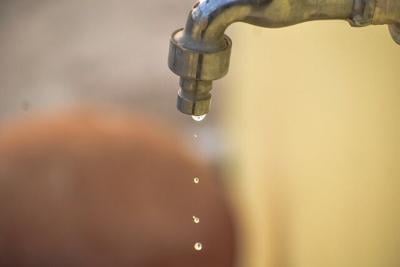

A leaky faucet might seem like a small annoyance, but ignoring it can lead to wasted water, higher utility bills, and bigger plumbing headaches over time. For homeowners, knowing when a simple repair is possible and when it is time to call a professional can save both money and frustration.
According to the EPA WaterSense program, a faucet that drips once per second can waste more than 3,000 gallons of water per year. That makes even a minor leak worth fixing sooner rather than later.
What Causes a Leaky Faucet
Many faucet leaks start with worn washers, damaged O-rings, corroded valve seats, or loose internal components. Over time, normal use causes these parts to wear down, which can lead to dripping, squeaking handles, or water collecting around the base of the fixture.
Signs You Can Fix a Leaky Faucet Yourself
If the leak is minor and isolated to a handle, spout, or easily accessible connection, many homeowners may be able to handle the repair with basic tools and replacement parts. Turning off the water supply, identifying the faucet type, and replacing worn components can often solve the issue.
When a Faucet Leak May Be a Bigger Plumbing Problem
Sometimes a dripping faucet is not just about the fixture itself. Low water pressure, hidden pipe damage, or recurring leaks may point to a larger issue in the plumbing system. If you are unsure whether the leak is part of a bigger problem, it helps to know when to call a plumber for leak detection in your home.
How Fixing Faucet Leaks Can Save Water and Money
Leaking faucets do more than create an irritating drip. The U.S. Department of Energy notes that fixing leaks can reduce wasted hot water and improve household efficiency, which may help lower energy and water costs over time. For homeowners trying to keep maintenance costs under control, small plumbing repairs can make a meaningful difference.
How to Prevent Future Faucet Leaks
Routine maintenance matters. Avoid over-tightening handles, replace worn parts promptly, and watch for signs of mineral buildup or corrosion. Preventive care can reduce the chances of more serious plumbing trouble later. Homeowners looking for broader prevention strategies can also review these expert plumbing tips for avoiding trouble at home.
(0) comments
We welcome your comments
Log In
Post a comment as Guest
Keep it Clean. Please avoid obscene, vulgar, lewd, racist or sexually-oriented language.
PLEASE TURN OFF YOUR CAPS LOCK.
Don't Threaten. Threats of harming another person will not be tolerated.
Be Truthful. Don't knowingly lie about anyone or anything.
Be Nice. No racism, sexism or any sort of -ism that is degrading to another person.
Be Proactive. Use the 'Report' link on each comment to let us know of abusive posts.
Share with Us. We'd love to hear eyewitness accounts, the history behind an article.