
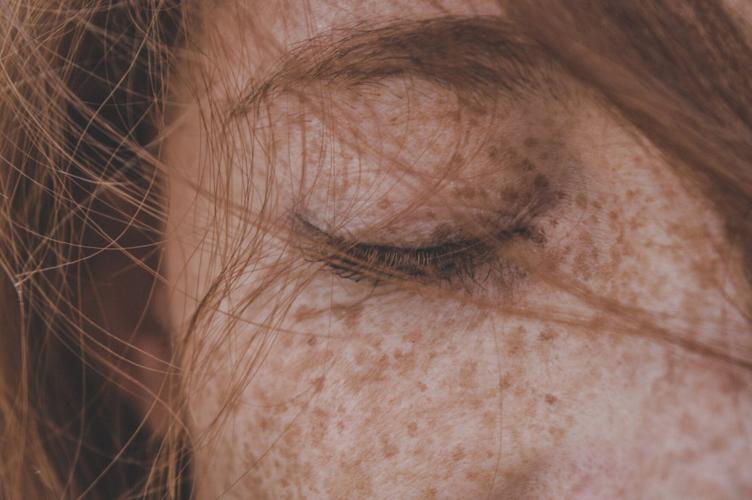


We all want smooth, spotless skin like the airbrushed, re-touched celebrities we see on magazine covers. Getting skin as flawless as alabaster is as tricky as it sounds. One type of skin blemish one can correct, though, is sunspots. Many of us, mostly fair-skinned, experience spots or blotches on our skin from exposure to the sun. Now, whether you have these on your face, shoulder, or back, there are various ways to lose them, and here is how you can do just that.
How to Tell If You Have Sun Spots
Sunspots can be confused with various other skin conditions and are usually diagnosed by simple visual inspection. They are flat, oval-shaped, and have a dark brown color. Their size ranges from the size of a freckle up to half an inch across. They can group, which makes them noticeable, and, for some, be a cosmetic issue. While this all sounds simple enough, you should consult a physician to ensure they are not another similar presenting skin condition. In some cases, where the visual diagnosis isn’t precise, doctors may want to take a skin biopsy and verify through a lab.
How To Treat Sun Spots
Laser Therapy
Lasers don’t just blow up villains in superhero movies; they also remove sunspots. Sunspots come from melanin-producing cells, and they can be destroyed without damaging the skin’s surface. There are also laser options that ablate the top layer of skin, taking the sunspots with them. Using laser therapy can get rid of your sunspots in two to three sessions.
Medication
Your dermatologist can provide you with a skin care regimen to resolve your sunspot issue, and it can be done over a few months. Such regimens involve a bleaching cream and sometimes retinoids and mild steroids. This sounds technical, but there are various creams that you will use on the affected areas. They can have minor side effects, like itching, dryness, burning, or redness. Let your doctor know if you experience any side effects so that they can amend the prescribed regimen. Some over-the-counter medications are available, and you can see the sunscreen options available to you both online and at your local pharmacy. Be sure to consult a physician if they cause any side effects as well.
Cryotherapy
We know; this sounds even scarier than the part about lasers. But, don’t worry; it’s perfectly safe. As the name suggests, this method uses freezing temperatures to remorse your sunspots. Your dermatologist will use a cotton-tipped swab to apply liquid nitrogen for a few seconds to destroy the extra pigmentation. This, like every other method, can have its side effects, which include temporary irritation, minor scarring, or discoloration.
Dermabrasion
Ever see a carpenter sand down a log of wood? Well, your dermatologist, less crudely, can ‘sand down’ the skin with sunspots. This process isn’t permanent and takes a few months to have a noticeable effect. It brushes off that ever-so-the-top layer of skin, and when you grow it back, it won’t have the spots. Microdermabrasion uses a similar method at a much smaller scale. But depending on if you have various other skin conditions, it may not be recommended.
Chemical Peels
Just like most of the other methods mentioned above, this method removes the topmost layer of skin to get rid of the sunspots, this time using a chemical. The application is performed carefully but will cause redness for several weeks until your skin is fully healed. Its side effects include scarring, infection, or skin discoloration.
When To See A Doctor
Because sunspots can be confused for other conditions, consult a doctor if your sunspots have any of the following issues:
- Turn black
- Increase in size
- Have irregular borders
- Have an unusual combination of color
- Bleed

Doctors can better assess the situation, correctly diagnose the condition, and prescribe an appropriate course of action for treatment.
Sunspots can make you hate looking into mirrors, but they are treatable. Their best treatment is avoiding them, to begin with, so always apply sunscreen before going out. But you have a variety of options to deal with them once you do get them. With the vast number of options at your disposal, it is best first to try over-the-counter options and then consult a qualified dermatologist if the problem persists. Make sure to discuss your options with a physician as sunspots can be wrongly diagnosed, and treating them correctly is vital for success.
Here are Some Other Articles Related to Your Search:
- Six Trending Skincare Essentials
- Daytime vs Nighttime Skincare Routine
- 8 Sensitive Skincare Essentials for Spring
- Updating Your Skincare Routines For Summer
- Minimalist Skincare for Busy Moms on-the-go
- Amaze your loved ones with a skincare gift set
- Sustainable Beauty: Keeping An Organic Self-Care Routine
- Have Smooth, Soft Skin No Matter How Far You Travel
- Reasons Why Natural Beauty Products Are Worth the Cost
- Mirror, Mirror

(0) comments
We welcome your comments
Log In
Post a comment as Guest
Keep it Clean. Please avoid obscene, vulgar, lewd, racist or sexually-oriented language.
PLEASE TURN OFF YOUR CAPS LOCK.
Don't Threaten. Threats of harming another person will not be tolerated.
Be Truthful. Don't knowingly lie about anyone or anything.
Be Nice. No racism, sexism or any sort of -ism that is degrading to another person.
Be Proactive. Use the 'Report' link on each comment to let us know of abusive posts.
Share with Us. We'd love to hear eyewitness accounts, the history behind an article.