
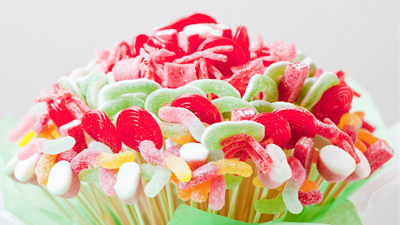

Creating a candy bouquet is a delightful way to combine creativity with confectionery. With the right materials and techniques, anyone can craft a stunning and edible arrangement that will impress and please. Whether for a special occasion or just as a fun project, making a candy bouquet adds a sweet personal touch.
The process begins with gathering the necessary materials. Select a variety of candies, a suitable container, sticks, and floral foam. These items will form the foundation of your bouquet and ensure it holds together well.
Arranging the candies involves placing them thoughtfully in the container, securing them with the sticks, and adjusting for balance and aesthetics. Adding ribbons and decorative elements completes the presentation, ensuring your candy bouquet looks as good as it tastes.
Key Takeaways
Selecting the right materials is crucial.
Arranging candies thoughtfully ensures a balanced look.
Finishing touches enhance the overall appeal.
Gathering Your Materials
Making a candy bouquet requires selecting the right candy, tools, and containers to ensure a visually appealing and sturdy arrangement. For a unique twist, include chocolate flavored taffy to add a delicious surprise.
Choosing Your Candy
Select a variety of candies to add visual interest and flavor variety. Focus on using individually wrapped candies like chocolate bars, lollipops, and gummy packs.
Look for different shapes, sizes, and colors to create a vibrant display.
Consider any dietary preferences or restrictions of the recipients. Sugar-free or allergen-free options might be necessary. Bulk purchases can be cost-effective, especially for larger bouquets.
Selecting the Right Tools
You'll need tools like scissors, hot glue gun, and floral tape. Scissors to trim wrapping and adjust stick lengths. A hot glue gun helps secure candies to sticks, ensuring stability.
Floral tape wraps around sticks to blend with candy colors. Clear adhesive dots can also be useful for less permanent placements.
Invest in foam blocks or floral foam to anchor your sticks within the container.
Types of Supports and Containers
The base of your candy bouquet requires a sturdy container. Options include mugs, vases, baskets, or small boxes. Weigh the container down with pebbles or marbles for extra stability.
For support, use wooden skewers or craft sticks to attach the candies. Stick lengths vary to create depth and dimension in the arrangement.
Incorporate decorative elements like tissue paper or ribbons to enhance the bouquet's appearance and cover up structural elements.
Constructing the Bouquet Base
The bouquet base is essential for stability and visual appeal. This section covers choosing and prepping the container as well as setting up a sturdy support structure.
Preparing the Container
Pick a container that matches your theme—popular choices include mugs, jars, and small baskets. Mugs work well for personal gifts, while baskets suit larger arrangements.
Cover the inside of the container with decorative tissue paper or cellophane. It adds color and helps secure the support.
If the container has a wide opening, consider using floral foam or styrofoam. Cut it to fit snugly in the container. This foundation holds the candy sticks firmly in place.
Choose materials that complement your candy choice. Bright colors work for playful bouquets, while muted tones are best for elegant arrangements. Patterns and textures can add extra flair.
Arranging the Support Structure
Start with skewers or lollipop sticks for holding the candy. Vary heights for a more dynamic look. Insert them into the foam base at angles for better stability.
Wrap skewers with decorative tape or ribbons if desired. It adds to the visual charm.
Secure each candy piece to a skewer using hot glue, double-sided tape, or twist ties. Make sure they’re firmly attached to prevent slipping.
Balance the arrangement by placing larger items at the back and smaller ones in front. Ensure that the candy is evenly distributed, avoiding heavy clusters on one side.
Test the balance by lightly shaking the container. Adjust skewers and foam as needed for stability.
Finishing Touches
Selecting appropriate finishes can elevate the presentation of your candy bouquet, making it visually appealing and gift-ready. For bulk supplies and more ideas, visit a taffy supplier.
Decorative Elements
Adding ribbons, glitter, and small ornaments can enhance the bouquet's look. Ribbons come in various materials like satin and grosgrain, each adding different textures. Consider using multiple colors and tying them in elaborate bows.
Glitter or metallic sprays can add sparkle. For a less messy option, use glittery stickers or faux gemstones. Small ornaments, such as themed charms or mini balloons, can be attached using hot glue or floral wire. This adds a personal touch that can reflect the recipient's interests or the occasion being celebrated.
Packaging for Presentation
Choose clear cellophane or decorative wrap to encase the candy bouquet. Clear cellophane shows off the bouquet while protecting it. Decorative wraps, like colored cellophane or themed wrapping paper, add an extra element of surprise.
Use twist ties or rubber bands to secure the wrap at the base. Attach a bow or tag to provide a final touch. Consider using a sturdy base, like a small decorative pail or vase, to support and give weight to the bouquet. This helps in both presentation and function, allowing the bouquet to stand upright confidently.
Here are some other articles relataed to your search:
(0) comments
We welcome your comments
Log In
Post a comment as Guest
Keep it Clean. Please avoid obscene, vulgar, lewd, racist or sexually-oriented language.
PLEASE TURN OFF YOUR CAPS LOCK.
Don't Threaten. Threats of harming another person will not be tolerated.
Be Truthful. Don't knowingly lie about anyone or anything.
Be Nice. No racism, sexism or any sort of -ism that is degrading to another person.
Be Proactive. Use the 'Report' link on each comment to let us know of abusive posts.
Share with Us. We'd love to hear eyewitness accounts, the history behind an article.