
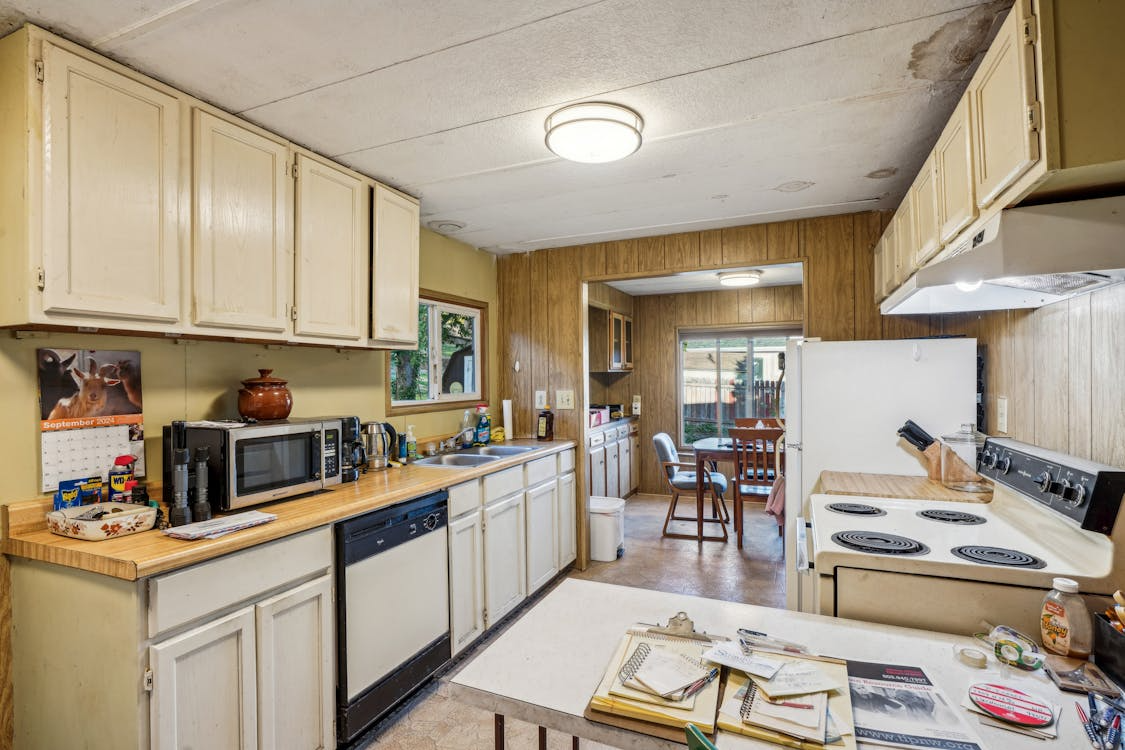
There's a moment every homeowner knows. You're standing in your cooking space, coffee in hand, staring at a layout that made perfect sense in 1987 — cabinet doors swinging into each other, a refrigerator blocking the walkway, counter space so limited you're chopping vegetables over the sink. Sound familiar?
An outdated layout doesn't just frustrate you. It slows you down, cuts into your home's resale value, and quietly drains your enjoyment of the space. The good news? Most layout problems have practical, affordable solutions. This guide breaks them down — no guesswork, no padding.
Signs Your Kitchen Layout Is Overdue for a Renovation
Not every outdated space announces itself with peeling wallpaper and avocado-green appliances. Sometimes the signs are subtler.
You're constantly bumping into family members. The work triangle between your stove, sink, and refrigerator feels more like a maze than a workflow. Storage is so limited that appliances live on the floor. Natural light is blocked by poorly placed upper cabinets. The layout hasn't changed since the previous owners — and those owners may have been cooking with a rotary phone nearby.
If three or more of these apply, the layout isn't working. It's time to rethink it.
The Most Common Outdated Kitchen Layouts and How to Fix Each One
The galley layout — two parallel counters with a narrow walkway — is one of the most common culprits. It works well in small apartments but becomes a bottleneck in a family home. The fix? Remove one wall to open the flow, or add a peninsula without a full structural change.
Single-wall layouts pack everything onto one surface. Efficient in theory, claustrophobic in practice. Adding an island or rolling cart gives you breathing room and doubles the prep area instantly.
L-shaped designs are generally solid but often waste corner space. Pull-out corner units or lazy Susans turn dead zones into functional storage. Simple fix, significant difference.
U-shaped spaces feel generous — until the wrong appliances are placed and the whole area feels like a dead end. Swapping to a smarter appliance arrangement and opening one "arm" of the U completely changes how the space functions.
Converting a Closed Kitchen Into an Open-Concept Layout
This is one of the most transformative upgrades you can make—and easily one of the most talked-about. Removing the wall between your kitchen and living space instantly improves natural light, enhances social interaction, and creates the feeling of a much larger home.
Of course, it’s not as simple as swinging a sledgehammer. Load-bearing walls require proper structural support, while plumbing and electrical systems often need careful rerouting. On top of that, permits and local building codes must be considered before any work begins.
That’s where experienced professionals truly make a difference. If you’re in or near the Bay Area and planning a kitchen remodeling Bay Area project, working with a trusted contractor is essential—not optional. Companies like Bayside Builders Group specialize in these structural transformations, combining skilled craftsmanship with clear and honest communication every step of the way.
Open-concept conversions typically range from $5,000 to $20,000, depending on the complexity of the wall and the finishes you choose. For many homeowners, the improvement in daily living and added resale value make this one of the smartest investments you can make in your home.
Smart Storage Solutions That Maximize a Poorly Designed Kitchen
Storage isn't about how many cabinets you have. It's about how well they work.
Pull-out drawer inserts inside lower cabinets eliminate the "dig through everything" problem
Toe-kick drawers use the dead space at the base of your cabinets for flat items like baking sheets
Vertical dividers in upper cabinets organize cutting boards and trays without stacking chaos
Pegboards and magnetic strips on backsplash areas keep tools accessible without eating counter space
Deep pantry pull-outs replace awkward corner cabinets with full, easy-access storage
Most of these changes cost a few hundred dollars and a weekend — no contractor required.
Budget-Friendly Kitchen Layout Changes With the Highest ROI
Not every fix requires a full crew. Repainting cabinets instead of replacing them saves thousands. Swapping hardware — handles, hinges, faucets — costs under $200 and has an outsized visual impact. People consistently underestimate how much new hardware changes a room.
Relocating a portable island adds flexibility without permanence. Replacing overhead lighting with under-cabinet LEDs improves both function and ambiance for under $150.
For bigger moves — removing walls, rerouting plumbing, reconfiguring electrical — plan for $10,000 to $40,000 depending on scope. That range sounds wide, but the variables (materials, labor, structural complexity) are real and worth accounting for upfront.
Modern Kitchen Layout Trends Worth Incorporating Into Your Renovation
Integrated appliances are everywhere right now. Panel-ready refrigerators and dishwashers that blend into cabinetry give any space a cleaner, more cohesive look — and photograph beautifully for resale listings.
The "working pantry" is gaining serious traction. A separate, enclosed prep area keeps clutter out of the main space and doubles as a second prep zone. Homeowners who have one rarely want to give it up.
Waterfall countertops — where the material runs continuously down the island's side — add a sculptural quality that holds up well in daily use. And warm tones are replacing the all-white aesthetic. Deep greens, terracottas, and navy blues are showing staying power that all-white never quite had.
Planning Your Kitchen Layout Renovation: Where to Start and What to Prioritize
Start with the problem, not the solution. Before picking countertops or cabinet styles, identify what's actually broken about the current layout. Is it flow? Storage? Light? That answer shapes every decision after it.
Get a professional walkthrough early. Even if you're doing a phased renovation, a contractor's assessment of load-bearing walls and utility routes will save you from expensive surprises later.
Prioritize structural changes first. Cosmetics can always be updated. Rerouting a drain that's in the wrong place after cabinetry is installed is a significantly different (and more expensive) problem.
Build in a 15–20% contingency. Every renovation uncovers something unexpected. That buffer isn't pessimism — it's experience talking.
Your cooking space should work for the life you actually live, not the one the previous owner had. Renovation is how you close that gap.
Frequently Asked Questions
What's the best way to tell if a wall is load-bearing before tearing it down?
Hire a structural engineer. Swinging a sledgehammer based on a hunch is how renovation projects turn into very expensive, very drafty living rooms.
What's the average timeline for a full layout renovation?
Cosmetic updates take weeks. Full structural overhauls take months. Either way, budget extra time — contractors and surprises are basically a package deal.
Is open-concept right for every home?
Not always. Some homes gain flow and light. Others just gain a direct view of last night's dishes from the couch. Assess carefully.
Which renovations add the most resale value?
Cabinets, countertops, and lighting win consistently. Avoid anything too personal — buyers want to imagine their life there, not yours.
Can I renovate in phases to spread out the cost?
Absolutely. Start structural, finish cosmetic. Just plan phases upfront — retrofitting decisions made in phase one during phase three is expensive, avoidable heartache.


(0) comments
We welcome your comments
Log In
Post a comment as Guest
Keep it Clean. Please avoid obscene, vulgar, lewd, racist or sexually-oriented language.
PLEASE TURN OFF YOUR CAPS LOCK.
Don't Threaten. Threats of harming another person will not be tolerated.
Be Truthful. Don't knowingly lie about anyone or anything.
Be Nice. No racism, sexism or any sort of -ism that is degrading to another person.
Be Proactive. Use the 'Report' link on each comment to let us know of abusive posts.
Share with Us. We'd love to hear eyewitness accounts, the history behind an article.