

Setting up your workshop can be a great way to practice your skills, hobbies, or even invent, renovate, and remodel at your own pace and convenience. Not only is it exciting to have your workspace, building, and setting it up can be very fun on its own. Setting up your workshop can help you become more experienced and qualified at what you do. It can also help you develop new skills, experiment with new tools, and master the skills, tools, and knowledge you already have. If you want to set up your workshop, you don’t know how to guide you through this rewarding process.
Know Your Needs
If you are planning to expand your workshop later, make sure that you choose a spacious area. The most suitable and familiar places for workshop setups are garages and basements. When setting up your workshop, make sure to install a dehumidifier. Planning will prevent moisture from rusting your machinery. Ensure that the floors are also totally dry, where you install your electrical tools to avoid any electric shocks. If the lighting is not significant in your basement, you may need to enlarge your windows or install more lighting; your brightest and most economical option is fluorescent lighting.
Dust Collectors
Dust collectors are necessary installations in your workshop. As you work, dust and shavings are always being produced. If they’re not removed immediately, you can end up breathing them in. Dust can severely harm you. In addition to compromising your health, if you don’t remove dust and shavings, they can be potential fire hazards.
Accessibility and Lighting
To ensure accessibility and ease when transporting your tools, machinery, and final products, you should consider the sizes of windows and doors. Large windows are often beneficial and serve the purpose of transportation. They also shed a lot of natural light, which ensures proper lighting for your workshop. They are great for ventilation as well, depending on the weather conditions. Ventilation is an important aspect when setting up your workshop; a small fan can usually suffice. The reviews over at Workshopedia.com offer guides lines that will allow you to make the most out of your workshop experience. If natural light is not an option or does not provide adequate lighting, fluorescent lights are great alternatives, as previously mentioned.
Electricals
It is advised that your workshop has sub-panels. Sub-panels will allow you to control the electricity in your workshop as needed. Your sub-panel should function at maximum amperage to be able to sustain several machines working simultaneously. Electrical outlets should also be put into consideration. It is recommended that you install three electrical outlets per circuit, every four feet off the ground, to support your tools. The workshop lighting should be on its circuit breaker.
Storage
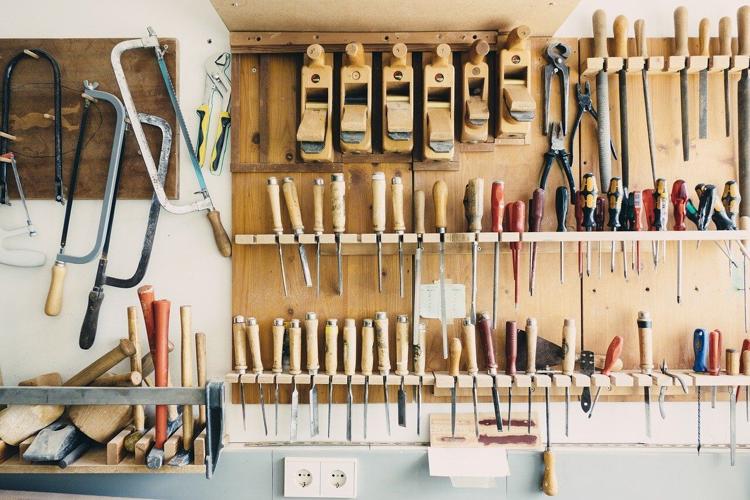
Make sure that there is enough space for storage in your workshop. Storage is essential so that you don’t leave your tools lying around. If you are not careful, or if anyone decides to go inside your workshop, significant injuries and incidents can occur due to leaving sharp and dangerous tools lying around. You can set up cabinets against the wall for storage. However, make sure that they are not bulky and do not extend out so much that they take up any unnecessary space from your work area. Storing your tools away from potential hazards will also keep them from getting rusty and damaged.

Workbench
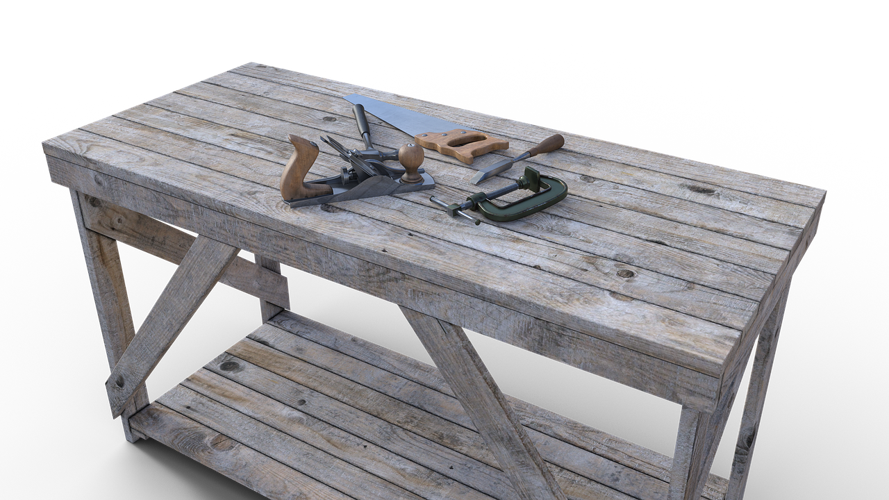
The workbench is where most of your work is done. For this reason, it must be stable, sturdy, and balanced. It should be totally flat and wide enough for you to work. You should also make sure that your workbench is at a convenient height. Please do not make it so short that you have to bend down. It will hurt your back and will keep you from working for prolonged hours. It should not be taller than needed so that your arms and shoulder do not hurt. You can install drawers and shelves underneath or near your workbench for small hardware that you often use.
When setting up your workshop, there are a few things that you must keep in mind to prevent any potential dangers or harm. You do not want to put your well-being at risk nor mishandle your tools and machinery. Setting up your workshop can be gratifying in so many ways. To make sure that you get the best out of your workshop experience, follow our simple tips, and enjoy your craft.


(0) comments
We welcome your comments
Log In
Post a comment as Guest
Keep it Clean. Please avoid obscene, vulgar, lewd, racist or sexually-oriented language.
PLEASE TURN OFF YOUR CAPS LOCK.
Don't Threaten. Threats of harming another person will not be tolerated.
Be Truthful. Don't knowingly lie about anyone or anything.
Be Nice. No racism, sexism or any sort of -ism that is degrading to another person.
Be Proactive. Use the 'Report' link on each comment to let us know of abusive posts.
Share with Us. We'd love to hear eyewitness accounts, the history behind an article.