
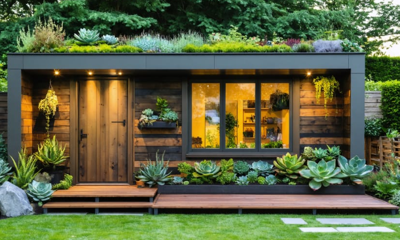

Getting your garden ready for spring is super exciting. The seeds are ready. Tools are coming out of storage. You can almost smell the fresh soil already. And your backyard shed is the headquarters of it all. It’s fun getting everything organized in your own gardening haven.
But spring brings rain, too. And a few wet days can turn a neat shed into a damp, musty mess. Wooden shelves swell. Cardboard boxes soften. Tools start to rust before you even plant anything for the season. Prepping your shed today means you’ll avoid issues later when the showers come. Here are some tips to set it up for the rainy days ahead.
Choose a Shed Built to Withstand Weather
If your shed is flimsy, leaks will appear almost immediately. Panels can warp after just a few heavy showers. Doors start sticking. And you spend half your time trying to keep everything dry.
So, get it right from the jump. Choose a high-quality, sturdy shed that can handle storms. Weaver Barns makes sheds that survive the weather and look great doing it. The siding is tough. The roods are reinforced. The doors lock securely. Picking quality now keeps your tools, seeds, and pots safe. It makes your backyard shed an armor that won’t come toppling down with one storm.
Raise Everything Off the Floor
Water always collects at the lowest points first. If water enters the shed, the floors get wet fast. Boxes sitting directly on the ground soften. They could collapse in minutes. And if you have tools on the ground, they might get ruined.
Raising your gear a few inches is an easy fix. Pallets and shelves work great for this. Everything stays dry even if the floor gets damp. Your tools keep their shape. You won’t deal with soggy messes or surprise damage. The shed is easier to clean after rain, too.
Check the Roof Before Rain Starts
The shed’s roof might look fine on a sunny day. But the first heavy shower tells a different story. Tiny cracks can cause a leaky ceiling. That lets water slip in. Ignoring a weak roof means spending hours salvaging your stuff instead of enjoying your garden.
Inspect the roof before the rains arrive. Look for loose panels and repair them. Seal small cracks. Tighten screws. Replace questionable boards. Add flashing to areas that seem weak.
Taking these steps prevents water damage inside the shed. A strong roof gives it real protection. Tools stay dry. Seeds stay safe. Even after a day-long downpour, you can open the shed without worry.
Place Moisture Absorbers Everywhere
Even when the shed doesn’t leak, humid air can still cause problems. Cardboard boxes absorb moisture. Fabrics start to smell musty. Mold can show up in places you didn’t even think to check.
Moisture absorbers help prevent all that. You can grab store-bought ones. Or, try making DIY dehumidifiers with charcoal or baking soda. Place them on shelves. In dark corners. They’re also great near the floor for maximum effect. They keep the air dry. They help protect everything you’ve worked to organize. Even after a week of steady rain, your shed will feel light and fresh.
Seal Small Gaps
The smallest gaps in your shed can let rain creep in when the wind blows. Moisture creeps along corners. Drafts make the air damp. Pests can find their way inside. These small intrusions can ruin boxes, seeds, and tools.
Before the rainy season comes, check for gaps in your shed. Look at corners. Door frames. Window edges. Close spaces near the floor. That way, puddles can't sneak in. Seal any gaps with caulk or weather stripping. This keeps water and pests out. Your shed stays safe and dry all season long.
Install an Exhaust Fan
Even a dry shed can feel damp if the air doesn’t move. Humid air lingers. It makes fabrics smell bad. Wood absorbs moisture slowly. Before you know it, boards swell. It’s frustrating because nothing looks wrong until it’s too late.
A small exhaust fan changes the game. Mount it near the roof. That’s where hot, humid air gathers. Run it for a few hours after storms. It pulls damp air out. Then, it lets fresh air in. The shed will feel fresh and breathable in minutes. Plants, fabrics, and wooden fixtures stay in good shape.
Protect Tools with Oil
Metal hates moisture. Shears and spades can rust overnight after getting wet from the rain. Rust dulls blades. It weakens the handles. It also makes tools unsafe. Ignoring this during rainy months is an easy way to shorten the life of the tools you rely on constantly.
So, give them a fighting chance against rust. Wipe tools with oil regularly. This helps prevent rust on gardening tools. It keeps blades sharp and handles strong. Even after a heavy week of rain, your tools are ready to use at a moment’s notice.
Follow the tips above, and your backyard shed will handle rain like a champ. Shelves keep everything off wet floors. Fans push humid air out. Moisture absorbers keep things dry. Your tools are ready to fight against rust. The shed actually feels ready for a storm.
When the next downpour hits, you won’t panic. The rain’s doing its thing. But you’re still in control because your shed is well-prepared. The clouds can hang around a bit longer. Your plants won’t mind. And neither will you.


(0) comments
We welcome your comments
Log In
Post a comment as Guest
Keep it Clean. Please avoid obscene, vulgar, lewd, racist or sexually-oriented language.
PLEASE TURN OFF YOUR CAPS LOCK.
Don't Threaten. Threats of harming another person will not be tolerated.
Be Truthful. Don't knowingly lie about anyone or anything.
Be Nice. No racism, sexism or any sort of -ism that is degrading to another person.
Be Proactive. Use the 'Report' link on each comment to let us know of abusive posts.
Share with Us. We'd love to hear eyewitness accounts, the history behind an article.