
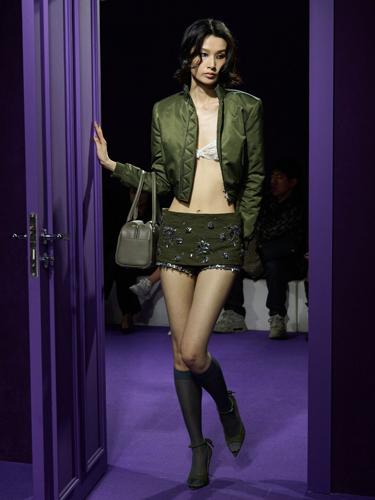

Fashion Got Smarter and Frankly So Did We
There was a time when fashion was mostly about keeping up. Keeping up with trends, keeping up with department stores, keeping up with whatever look had just swept through Instagram and convinced half the country to buy the same blazer.
Now, fashion feels more personal than that. More strategic. More edited.
Today’s shoppers are not just looking for something cute enough to justify checkout. They want quality. They want convenience. They want pieces that earn their closet space. And increasingly, they want brands that feel clear about who they are, how they sell, and why they deserve a customer’s loyalty. At the same time, fashion technology is no longer some quirky side category. AI-powered shopping, digital closet tools, and resale-driven thinking are becoming part of how people build wardrobes now.
That is what makes old conversations about “fashion’s future” feel so dated. The future already showed up, and it did not arrive wearing an uncomfortable shoe.
Direct-to-Consumer Became a Real Power Move
One of the biggest shifts in modern fashion is not just what people buy, but how they buy it.
Direct-to-consumer brands helped reshape the market by speaking to shoppers without as many traditional retail layers between them. That allowed brands to control pricing, branding, customer service, and the overall shopping experience much more tightly. More importantly, it changed expectations. Consumers got used to shopping from brands that felt like they had an actual voice instead of a vague corporate personality wrapped in soft lighting and buzzwords.
That model is no longer novel, of course. It is established. But it still matters because it helped create the modern fashion shopper: someone who expects connection, consistency, and a reason to trust a brand beyond a glossy campaign. In 2026, trust, predictability, and relevance are major drivers of customer confidence, and brands that understand that are far better positioned than the ones still hiding behind generic marketing copy.
In other words, shoppers are not impressed just because a brand looks expensive. They want it to feel believable.
Style Technology Is No Longer Optional Background Noise

The older version of this article treated technology like a supporting detail. That made sense once. It does not now.
AI is already changing how people search for products, compare options, and move toward checkout online. The Business of Fashion reported in January 2026 that direct checkout in AI search tools is being described as one of the biggest online shopping innovations in more than a decade, which says a lot about how quickly retail behavior is changing.
Fashion technology is also becoming more personal, not just more efficient. Digital wardrobe platforms are giving shoppers ways to organize what they own, plan outfits, track cost per wear, and shop more intentionally. ELLE’s coverage of Alta described it as an AI-powered closet app that lets users build a digital version of their wardrobe, create outfits, and make smarter decisions before buying more things they absolutely do not need but were briefly convinced would “change everything.”
That is a meaningful shift. Fashion used to be sold almost entirely through aspiration. Now it is increasingly supported by tools that help people make better decisions after the thrill wears off.
The Modern Shopper Wants Value Without Looking Boring
No stylish person wants to admit she is thinking practically while shopping. It sounds deeply unglamorous. Like buying cashmere with the same energy one brings to a printer cartridge.
And yet practicality is now part of fashion’s appeal.
Consumers still want beautiful things, obviously. But they also want versatility, longevity, and some sense that the item is worth the money. That is one reason resale and circularity have become so much more central to fashion’s future. Forbes recently highlighted how resale concepts are becoming part of the luxury buying equation itself, with shoppers increasingly viewing an item’s future value as part of its appeal. Another recent Forbes piece noted that the resale boom is not just economic, but cultural, reflecting a broader shift toward longevity and circular value.
That makes perfect sense. A well-made coat that lasts, restyles beautifully, and still holds value later is far more appealing than a trendy impulse purchase that starts shedding dignity by the second wear.
Luxury today is not just about spending. It is about choosing well.
Shoppers Also Expect More Honesty From Brands
Consumers have become far more aware of how branding works, which means brands have to work harder to sound credible.
That does not mean every shopper is studying supply chains over morning coffee. But it does mean people are more sensitive to vague claims, empty positioning, and the kind of marketing language that says absolutely nothing while sounding very pleased with itself.
What customers respond to now is clarity. They want fewer surprises. They want reliable product experiences. They want to understand what a brand stands for and whether its promises match the reality of the purchase. In 2026, that kind of confidence-building is a significant part of how modern brands win repeat business.
That is especially true in fashion, where emotional buying and practical disappointment have been in a toxic relationship for years.
Fashion’s Future Looks More Edited Than Extreme
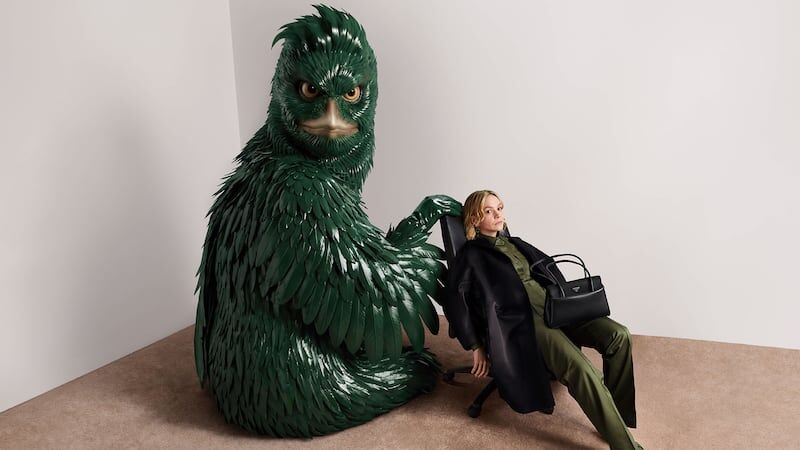
Perhaps the most interesting thing about fashion right now is that the future does not seem louder. It seems smarter.
People still love statement pieces. They still love the thrill of a new silhouette, a fresh seasonal obsession, or the kind of jacket that makes an entire outfit feel more expensive than it actually was. But the mood is shifting toward wardrobes that feel intentional rather than frantic.
The Business of Fashion’s 2026 reporting points to AI and new tech as major forces shaping how fashion is discovered and sold, while fashion-tech investment and digital tools continue to build momentum across the industry.
That aligns with what many shoppers already feel instinctively: they do not want more clutter. They want better taste, better tools, and better reasons to buy.
And frankly, that is a much chicer future.
A good wardrobe in 2026 is not just stylish. It is thoughtful. It reflects discernment. It mixes beauty with utility, polish with personality, and trend with restraint.
Which is exactly how modern fashion should work.
(0) comments
We welcome your comments
Log In
Post a comment as Guest
Keep it Clean. Please avoid obscene, vulgar, lewd, racist or sexually-oriented language.
PLEASE TURN OFF YOUR CAPS LOCK.
Don't Threaten. Threats of harming another person will not be tolerated.
Be Truthful. Don't knowingly lie about anyone or anything.
Be Nice. No racism, sexism or any sort of -ism that is degrading to another person.
Be Proactive. Use the 'Report' link on each comment to let us know of abusive posts.
Share with Us. We'd love to hear eyewitness accounts, the history behind an article.