
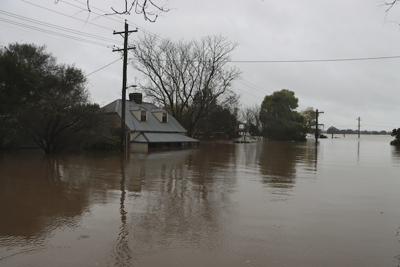

Devastating damage from causes like floods, pipe bursts, fires, storms, and mold outbreaks can leave beloved homes or commercial spaces in utter turmoil in mere moments. When the shock settles from these disorienting events, immense uncertainties around repairing destruction, addressing health hazards, and returning to stability remain at the top of my mind. Fortunately, by tapping the rapid-response capabilities and technical mastery of professional damage restoration companies, continuity gets restored along the path forward.
Types of Damage Restoration Services
Specialized service offerings around predominant damage scenarios help accelerate and streamline recovery efforts, utilizing contractor proficiencies honed over years of niche industry practice.
1. Water Damage Restoration:
From slow leaks to sudden flooding disasters, water calamities require urgent response to prevent exponential destruction growth. Systematic restoration steps include:
Water extraction: Powerful truck-mounted suction equipment removes surface water to subflooring and drywall behind walls using calculated extraction techniques to minimize disturbance.
Drying and dehumidification: Industrial dehumidifiers and air movers generate controlled airflow across all impacted materials, preventing outbreaks of bacteria and dangerous mold over days to weeks.
Structural repairs: After thorough drying, experienced tradespeople remediated or replaced damaged drywall, floorboards, subflooring, trim materials, and more.
Content cleaning and restoration: Specialized techniques delicately clean saturated furniture, rugs, clothing, and other belongings to pre-damage condition whenever possible.
2. Fire Damage Restoration:
Swiftly containing fires prevents further structural compromise and smoke permeation into untouched areas. Step-by-step restoration includes:
Emergency Board-up: After extinguishment, temporary boards and tarps seal off damaged zones vulnerable to outdoor elements and unauthorized access.
Debris Removal: Trained crews catalog, transport, and legally dispose of fire debris including compromised architectural components and contaminated personal items.
Structural Assessment and Repair: Certified inspectors determine the necessary demolition, reinforcement, and rebuilding of impacted walls, ceilings, floors, and infrastructure to revitalize safety.
Smoke and Odor Removal: Scrubbing the filter cleans residue buildup from surfaces while deodorizing chemical fog treatments, rejuvenating ambient air quality across all indoor spaces impacted.
Content Restoration: Similar to water damage, restorative cleaning, and repair techniques are applied to salvageable belongings while inventorying irretrievable items for insurance filings.
3. Mold Remediation:
Left unaddressed, pervasive mold infestations degrade air quality and structural integrity. Complete mold elimination involves:
Mold Inspection: Thermal imaging scans pinpoint moisture incursion areas that prompt blooms, while laboratory analyses identify genus/species traits that determine removal protocols.
Containment: Poly barriers seal off work zones, preventing spore dispersion. HEPA-filtered air scrubbers localize airflow.
Mold Removal: Physically scraping or blasting growths dislodging colonies from the impacted sheathing, ductwork, drywall, and finishes. Antimicrobials neutralize roots.
Cleaning and Restoration: Affected surfaces get deep cleaned and dried completely to inhibitory moisture levels, impeding recurrence. HVAC systems may need sanitizing.
Preventative Measures: Before reconstruction, addressing root moisture sources is imperative, whether via leaks, humidity control, drainage corrections, or other protections.
Why Hire Professionals for Damage Restoration?
While early response urgencies around disasters understandably ignite do-it-yourself mentalities, tremendous advantages exist in engaging ProFix 24/7 professional services:
Expertise and Experience: Seasoned providers bring decades of niche trade expertise carrying out diagnostic assessments, strategically sequenced repairs, and material handling uniquely tailored to damage types not possessed by general contractors.
Specialized Equipment: From massively powerful drying machines and moisture detectors to negative air machines and thermal imaging cameras, restoration firms access proprietary remediation gear, allowing efficient response unfeasible for rentals or purchases pursued independently.
Insurance Claims Assistance: Navigating byzantine claim procedures and maximizing reimbursements requires insider proficiency. Restorers assist in communicating directly with carriers, advocating proper categorization and settlements.
Safety: Undertaking restorations solo risks injury, illness, or jeopardizing intact sections by overextending. Letting experts contain damage and methodically restore space through code-compliant means ensures security.
Peace of Mind: Delegating overwhelming restoration projects to supportive pros with detailed work plans and daily progress communications frees focus toward recovering operations rather than struggling through independently.
The Damage Restoration Process
While each disaster brings unique demands, certified restoration firms follow a methodical sequence designed to bring environments back to pre-loss functionality efficiently:
Emergency Response: Hours matter after catastrophes. Rapid dispatch of response crews allows swift supplies delivery, initial damage documentation, containment, and drying equipment setup, preventing the amplification of destruction.
Assessment: Technicians intricately evaluate water penetration extent, contamination levels, structural stability loss, and inventory of unsalvageable items while noting areas for selective demolition. Photos and proprietary software tools aid reporting.
Mitigation: With driving restoration goals defined plus necessary equipment, materials, and workforce levels confirmed, intensive mitigation work commences including demolition, drying, cleaning, and debris removal. Health standards stay strictly enforced.
Cleaning and Restoration: Surfaces are deep cleaned, and the remaining finishes are repaired or replaced throughout. This allows for detailed flooring, metals, woodwork, and other tradesman refinements, bringing aesthetic continuity with undamaged zones. Belongings also get specialty cleaning or replacement wherever possible.
Inspection and Documentation: Joint walkthroughs ensure complete site readiness for occupancy or rebuilding before project closeout. All permits, municipal code compliances, inspection pass verifications, insurance reporting, and backup documentation are reviewed together before signoff.
Finding the Right Restoration Company
But how exactly should affected parties identify and vet qualified service providers equipped for responsibly guiding environments back from the brink after catastrophe strikes? Core criteria to evaluate include:
Experience and Qualifications: Seek established restoration firms with 5+ years of specifically managing disaster recovery projects similar to yours. Verify licensed contractor statuses and specialized technician certifications, such as IICRC water/fire/mold remediation and FloStop Restoration, LLC.
Insurance Coverage: Fully insured operations with minimum $1 million liability policies plus adequate workers' compensation and bonded protections inspire client confidence while protecting you, the property owner, from claims exposures during on-site work. Ask for current documentation.
24/7 Availability: Around-the-clock availability via live call centers allows urgent mobilization when overnight emergencies strike. Scan sites for prominently listed emergency contact information.
Communication: Look for providers touting regular client communications through preferred channels like calls, emails, portal messages, or site visits during lengthier restoration jobs—progress visibility de-stresses.
Estimates and Guarantees: Upfront inspections generate line-item estimates listing rates, materials, timeframes, and more, allowing transparency around projected costs, while money-back guarantees build accountability.
Licensing and Certifications: Reputable restorers tout logos from vetted organizations like RIA, IICRC, BBB, or Chamber membership, verifying operational legitimacy from impartial reviewers.
References: Firsthand feedback from past clients offers reliable testaments to the quality of deliverables, timeliness of response, care for property, and overall working rapport.
Reviews: Alongside references, strong cumulative online review presence across multiple platforms echoes collective positivity. Beware ratings under 4 stars hinting at chronic issues.
Cost: Obtain several competing bids aligned in scope. Beware extreme lowball quotes reflecting cut corners or bait-and-switch ploys. Reasonable middle-ground pricing suggests attentive service.
In difficult moments following devastating home disasters ranging from floods to mold infestations, trusting environment and belongings restoration to experienced service providers lifts immense restorative burdens while empowering you to focus energy toward getting life back on track. Let seasoned experts handle the heavy lifting!

(0) comments
We welcome your comments
Log In
Post a comment as Guest
Keep it Clean. Please avoid obscene, vulgar, lewd, racist or sexually-oriented language.
PLEASE TURN OFF YOUR CAPS LOCK.
Don't Threaten. Threats of harming another person will not be tolerated.
Be Truthful. Don't knowingly lie about anyone or anything.
Be Nice. No racism, sexism or any sort of -ism that is degrading to another person.
Be Proactive. Use the 'Report' link on each comment to let us know of abusive posts.
Share with Us. We'd love to hear eyewitness accounts, the history behind an article.