
Summer in the United States is never just one thing. A scorching afternoon in Scottsdale does not feel like a heat-heavy day in Miami, and a home in Dallas faces very different seasonal pressures than one in Palm Springs. In some states, the challenge is relentless dry heat that pours through glass and radiates off hard surfaces. In others, humidity becomes the real intruder, making even beautifully designed interiors feel dense and uncomfortable. That distinction matters, especially when planning a home that feels elegant and livable through the hottest months of the year. As NOAA explains in its heat index guidance, humidity can make summer temperatures feel significantly hotter than the thermometer suggests.
For homeowners in America’s hottest summer states, staying cool is not simply about lowering the thermostat. It is about understanding how heat behaves in different climates and shaping the home accordingly. The most refined interiors do not fight the season with brute force. They respond with thoughtful design, better materials, and smarter systems that keep rooms feeling calm, polished, and deeply comfortable.
Why Summer Cooling Is Different in Every Hot-Weather State
In Arizona, Nevada, New Mexico, and inland California, the most pressing issue is often solar gain. Afternoon light floods into windows, warms flooring and furniture, and lingers in the structure long after sunset. In Florida, Louisiana, Georgia, and much of the Gulf Coast, the challenge is more layered. Temperature matters, but humidity changes the way the air feels and the way a home performs.
That is why a one-size-fits-all cooling strategy rarely works. In dry states, blocking sun and protecting the building envelope become essential. In humid states, moisture control is just as important as air conditioning. The most successful homes are not simply cold. They are balanced. They feel breathable, well considered, and responsive to the region around them.
Window Treatments Matter More in Dry Heat States

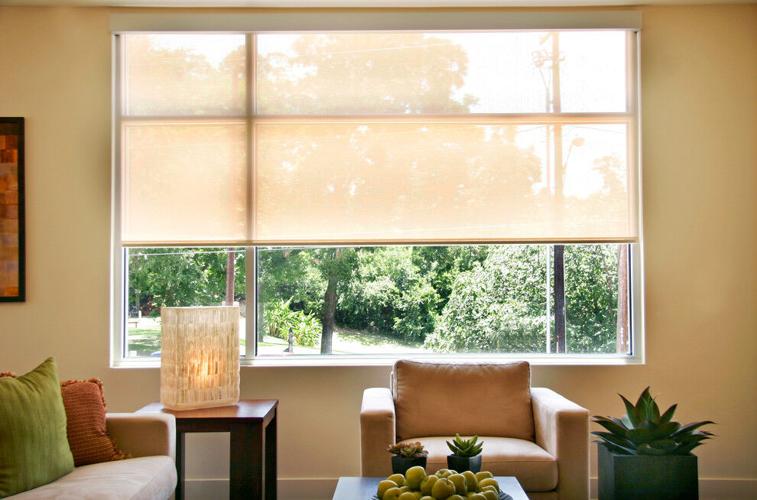
For homes in dry, sun-intense regions, windows often become the first place where comfort is lost. Harsh light can overheat interiors quickly, particularly in spaces with large west-facing exposure. The right window treatments are not just decorative choices in these climates. They are part of a serious cooling strategy.
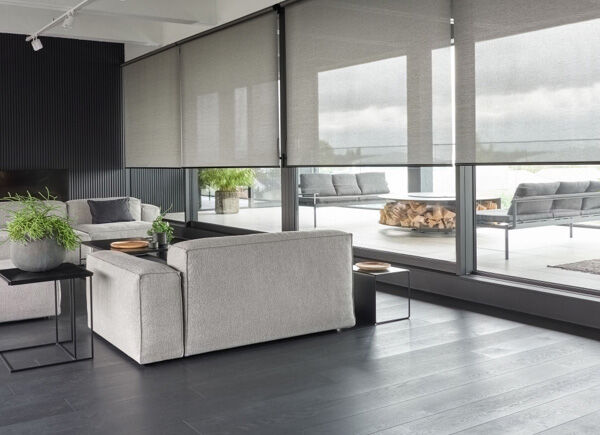
That is why it makes sense to look at both style and performance when selecting shades, drapery, or layered coverings. Fine Homes & Living recently explored this in Top Factors to Consider When Selecting Window Treatments for Your Space, which highlights how function, light control, privacy, and energy efficiency all come into play. For homes in Arizona, Nevada, and inland California, that balance can make a remarkable difference during long summer afternoons.
The practical side is equally compelling. The U.S. Department of Energy notes that certain tightly installed window coverings, including cellular shades, can significantly reduce unwanted solar heat gain during cooling season. In homes where sunlight is constant and intense, this becomes one of the easiest ways to protect both comfort and energy use.
In Humid States, Cooling Must Include Moisture Control
A home in Florida or coastal Texas can be beautifully finished and still feel uncomfortable if the air is too damp. Humidity softens the crispness of a room. It affects upholstery, bedding, airflow, and the overall sensory experience of the home. Even when the temperature is technically low enough, the environment can still feel heavy.
That is why humid states require a different cooling mindset. The air conditioner has to do more than cool. It has to dehumidify effectively and consistently. This is where routine servicing becomes essential, especially in regions where cooling systems run for extended stretches of the year. If the system is underperforming, the home rarely feels as fresh or composed as it should.
That makes naturally placed supporting content especially useful here. For readers thinking about long-term performance, Professional AC Maintenance Keep Your Cooling System Efficient fits seamlessly into this conversation. It reinforces the idea that maintenance is not just technical upkeep. It is part of preserving comfort, efficiency, and everyday ease in the height of summer.
Texas Homes Need a More Layered Strategy
Texas is one of the few places where a summer home strategy must often account for both punishing sun and regional humidity. In cities across the state, heat can persist for months, making even small inefficiencies far more noticeable over time. That is why Texas homes tend to benefit most from a layered approach rather than a single dramatic upgrade.
Insulation, air sealing, ceiling fans, window protection, and efficient HVAC performance all matter. If one part of the system is weak, the rest has to compensate. A home with elegant interiors but poor attic insulation, sun-exposed windows, or inconsistent airflow will always feel like it is working harder than it should.
This is where cooling becomes a design issue as much as a mechanical one. The homes that perform best are usually the ones where visible beauty and invisible efficiency are working together.
Outdoor Shade Can Transform the Way a Home Feels

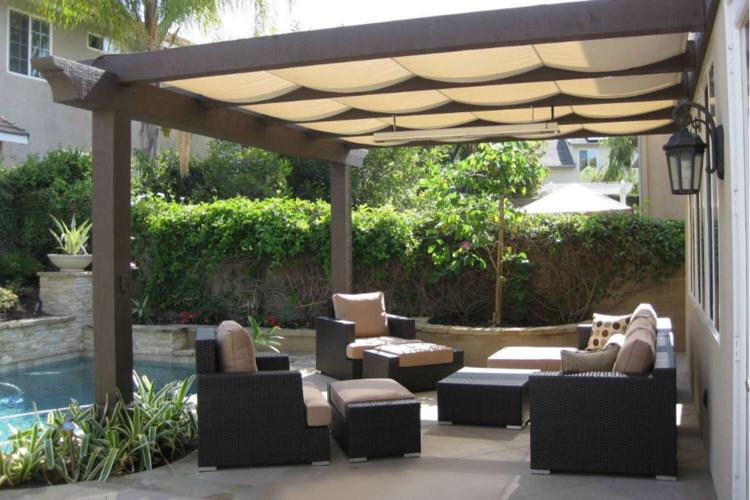
Exterior design has a major influence on indoor comfort, especially in the hottest states. Pergolas, covered terraces, mature landscaping, umbrellas, and layered patio elements can help reduce the amount of direct heat hitting the structure in the first place. That translates into cooler adjacent interiors and outdoor living spaces that remain usable even during peak summer.
This is one of the most attractive intersections of style and function. A thoughtfully shaded patio or terrace does more than improve curb appeal. It extends the livability of the home. For readers drawn to that outdoor-luxury crossover, articles like Different Types of Outdoor Shades for Patios help reinforce how strategic shade can elevate both comfort and design.
In the hottest summer states, the best homes are often the ones that keep the sun from reaching interiors too aggressively in the first place.
Cooling Systems Should Support the Home, Not Carry It Alone
There is a difference between a house that is technically air-conditioned and one that actually feels cool in a graceful, consistent way. When cooling systems are overburdened by poor insulation, direct sunlight, or air leaks, they have to work much harder to deliver results. That often means uneven temperatures, higher utility bills, and interiors that never quite feel settled.
A more sophisticated home strategy asks the cooling system to operate as part of a larger whole. It works alongside smart window treatments, outdoor shade, sealed openings, and region-specific solutions tailored to the climate. That combination is what creates a home that feels composed even during a brutal summer stretch.
A Cooler Home Starts With Climate-Aware Design
The most successful homes in America’s hottest states are not necessarily the coldest ones. They are the homes that feel intentional. They understand whether the challenge is blazing dry heat, persistent humidity, or both, and they respond with solutions that feel integrated into the architecture and everyday lifestyle.
For a Fine Homes & Living audience, that is the real aspiration. Summer comfort should not feel improvised or purely mechanical. It should feel built into the rhythm of the home itself. From Scottsdale to Miami, from Houston to Palm Desert, a cool home is not only the result of better equipment. It is the result of better thinking, better design choices, and a more refined understanding of how luxury living should feel in every season.
Here are some other articles related to your search:
- Seasonal Maintenance Checklist for a Stress-Free Home
- Smart Ways Homeowners Are Lowering Monthly Expenses Without Downsizing
- Skipping AC Maintenance Can Be Expensive in the Long Run
(0) comments
We welcome your comments
Log In
Post a comment as Guest
Keep it Clean. Please avoid obscene, vulgar, lewd, racist or sexually-oriented language.
PLEASE TURN OFF YOUR CAPS LOCK.
Don't Threaten. Threats of harming another person will not be tolerated.
Be Truthful. Don't knowingly lie about anyone or anything.
Be Nice. No racism, sexism or any sort of -ism that is degrading to another person.
Be Proactive. Use the 'Report' link on each comment to let us know of abusive posts.
Share with Us. We'd love to hear eyewitness accounts, the history behind an article.