
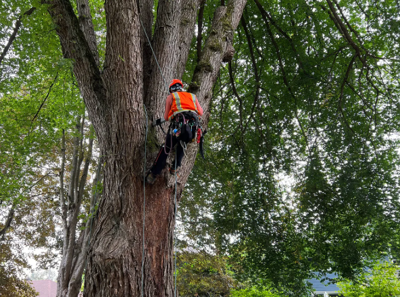

Tree care in Seattle is not limited to basic trimming or removal. Trees in this area are affected by storms, tight building patterns, and detailed city rules. Property owners often need clear help balancing safety, long-term tree condition, and permit requirements. An experienced arborist explains recommended work, reasons behind each option, and how it aligns with local regulations. Straightforward guidance helps reduce delays, unexpected costs, and compliance concerns.
Arborists evaluate tree species, structure, soil conditions, and site-related risk before proposing services. Common recommendations include pruning, health treatments, cabling, or removal, along with permit coordination and cleanup. This organized process allows homeowners to compare proposals, set priorities, and plan budgets more easily. Plain explanations around timing, care options, and ongoing maintenance make professional tree care easier to follow and manage.
Scope of Professional Tree Care
Professional tree care starts with a detailed evaluation of each tree and its surroundings, a standard approach delivered by a qualified Seattle arborist. Arborists review species type, age, canopy balance, trunk condition, root health, and nearby structures. These factors shape a work plan aligned with property needs and safety goals. Recommendations may include pruning for structure, cabling for support, targeted treatments, or full removal when risk is high.
A local arborist also identifies trees protected under local regulations and explains how permits affect timing and cost. Written reports outline findings, hazards, and mitigation options such as phased work or bracing. Permit application support and scheduling coordination help owners plan services, manage budgets, and reduce compliance risk before work begins.
Safety and Risk Control
Tree work involves significant risk, so safety planning is central to professional service. Arborists follow ANSI standards and select equipment based on tree condition, access limits, and nearby buildings or utilities. Climbing systems, cranes, or aerial lifts are chosen after site assessment, with trained crews assigned to match the complexity of the job.
Before cutting starts, crews establish work zones, drop areas, and access controls. Barriers, flagging, and spotters keep people clear of hazards. Removal plans outline sectional cutting methods, rigging paths, and load handling. After cutting, crews manage debris and protect ground surfaces, reducing the chance of property damage or injury.
Tree Health Decisions
Arborists assess tree health by examining the canopy, trunk, and root zone. They look for decay, weak branch attachments, pest damage, and poor leaf density. These findings guide pruning choices that support structure, reduce failure risk, and support proper growth. Correct cuts protect branch collars and help limit future maintenance needs.
When removal is not required, arborists may recommend soil improvement, aeration, fertilization, or targeted pest and disease treatments. Follow-up inspections track progress and identify changes early. Clear explanations of warning signs and maintenance timing help property owners plan care, budget for future work, and keep trees stable and healthy over time.
Local Compliance Knowledge
Seattle tree regulations affect many projects, especially those involving large or protected trees. Arborists understand city criteria and explain when permits, replacement requirements, or mitigation plans apply. Permit packages often include species identification, trunk measurements, health evaluations, photos, and root protection plans that meet municipal standards.
Experienced arborists align applications with review timelines, seasonal restrictions, and inspection schedules. They respond to reviewer questions, submit updates, and track approvals until work is authorized. Keeping records of permits and post-work documentation reduces liability, supports future property sales, and helps owners avoid enforcement issues tied to unpermitted tree work.
Value of Professional Expertise
Professional crews focus on efficient work and minimal disruption. Protective mats, plywood, and careful staging limit damage to lawns, driveways, and landscaping. Limbs and debris are removed promptly, with chipping or hauling included. Optional services such as stump grinding further simplify site restoration and cleanup.
After completion, arborists provide written summaries outlining recovery expectations, observed conditions, and recommended maintenance intervals. Guidance considers safety priorities, budget limits, and long-term property goals. Clear documentation helps owners plan pruning cycles, future treatments, or removals. This practical follow-up supports safer properties and manageable outdoor areas.
Professional arborist services bring clarity to tree care planning across residential and commercial properties. Evaluations address safety conditions, tree health, and regulatory requirements while outlining options such as pruning, treatments, cabling, or removal. Permit coordination, risk controls, and thorough cleanup reduce uncertainty during active projects. Written reports and follow-up plans support accurate comparisons, realistic budgeting, and organized maintenance scheduling. Ongoing guidance helps maintain compliance with local rules while supporting long-term tree stability and property safety. Defined timelines, documentation, and service scope make future care decisions easier to manage.

(0) comments
We welcome your comments
Log In
Post a comment as Guest
Keep it Clean. Please avoid obscene, vulgar, lewd, racist or sexually-oriented language.
PLEASE TURN OFF YOUR CAPS LOCK.
Don't Threaten. Threats of harming another person will not be tolerated.
Be Truthful. Don't knowingly lie about anyone or anything.
Be Nice. No racism, sexism or any sort of -ism that is degrading to another person.
Be Proactive. Use the 'Report' link on each comment to let us know of abusive posts.
Share with Us. We'd love to hear eyewitness accounts, the history behind an article.