
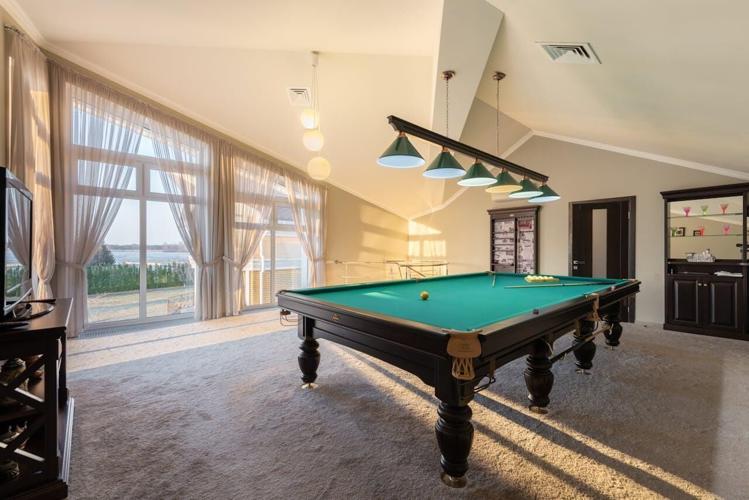

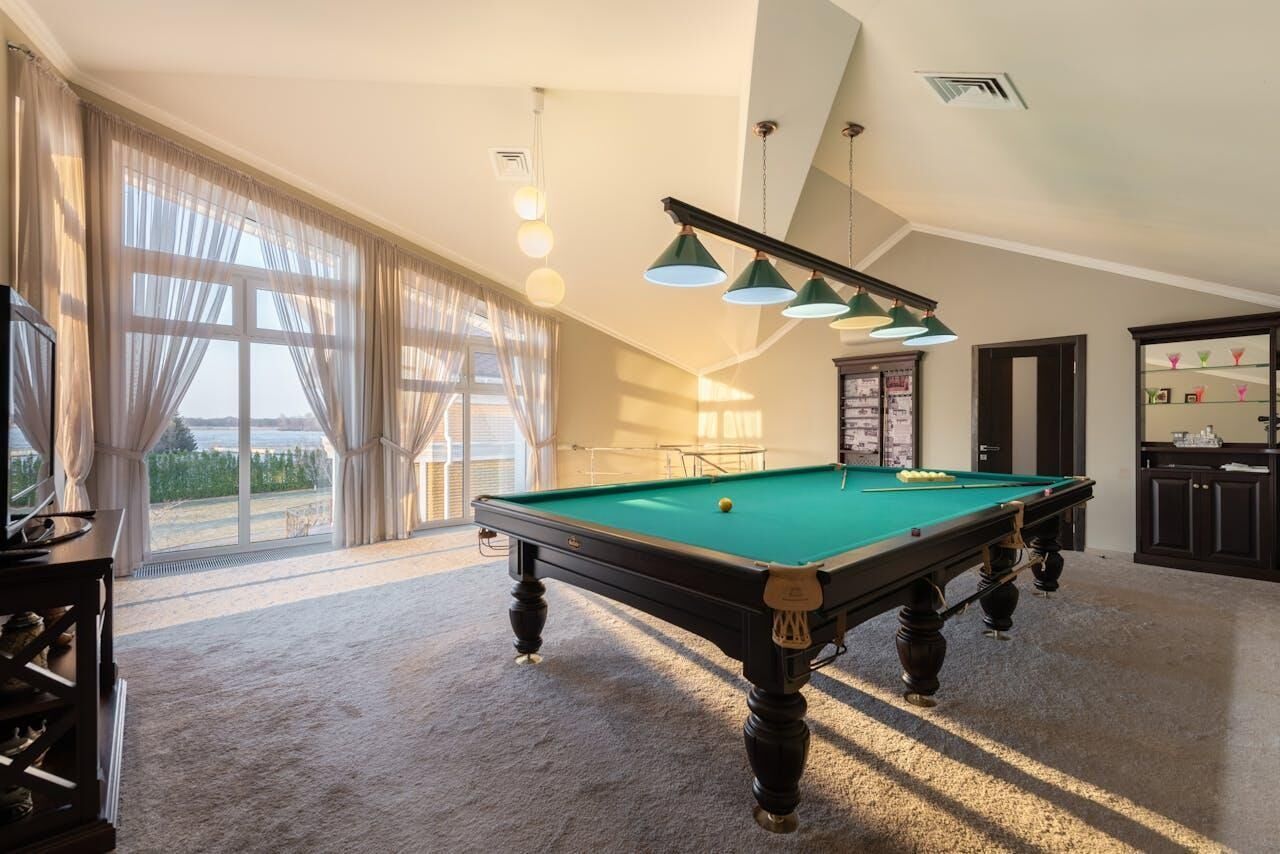
Turning a neglected spare room into an adult gaming lounge is one of the most satisfying upgrades you can make. Done well, it feels like a boutique bar for your friends and a calm retreat for you, and this guide will help you plan a room that looks polished and works for real-life hosting.
Start With How You Want To Use The Room
Before you buy a single chair, decide what this room is really for. Is it a quiet midweek escape for cards and a drink, or a place where you host large gatherings of friends a few times a year? Choose one or two situations that match how you actually live, then plan around those. Once you know how the room will be used, choices like seating height, fabrics, storage, and whether you need blackout shades or daylight become much easier. For wider hosting basics, you can borrow ideas from guides on hosting visitors and adapt them to this area.
Map The Layout And Flow
Measure the length and width of the room, sketch it on paper, and mark windows and doors. Aim for about 36 inches of clear walking space along the main paths so guests can move without bumping chairs.
Then think in terms of zones instead of individual pieces. Most game lounges work well with three basics: a main table zone for cards or board games, a soft seating area with a sofa or club chairs, and a compact bar or sideboard for drinks. In smaller rooms, let zones overlap. A round table can handle both cards and late-night snacks, and a deep bench under a window can double as extra seating and storage for games.
Choose Your Hero Table
Every great game lounge revolves around one piece that quietly sets the tone: the hero table. It might be a classic card table, a convertible dining table with a felt top, or a custom surface that echoes your favorite night out. Match the table to your room and hosting style, not the other way around.
When you start planning that hero piece, it helps to borrow a page from the world of casino table games. In that environment, each table has a specific style. Blackjack tables pull people into a tight arc, with everyone leaning toward the center. Roulette needs more open floor around the layout and clear sightlines to the wheel. Poker-style tables feel better with deeper chairs and small side tables for drinks, because players tend to settle in for longer sessions.
Carefully studying a lineup of casino table games shows how different shapes naturally suggest different group sizes and energy levels. You can treat those tables as a design catalog: pay attention to how many player spots feel comfortable at each style of table, how much elbow room those setups assume, and how easily people can stand up, slide past one another, and move between the game zone and the bar.
Different kinds of game nights suit different people, after all, and it helps to have some idea of what your friends might like before you get started. If you want, you could try quizzing them on things like this to see what their perfect night would be.

Of course, at the end of the day, it’s your games room, not theirs, so go with the style that appeals most to you, but do still consider what kind of space your guests might get the most out of.
Layer Lighting, Sound, And Storage
With the layout set, the next thing to focus on is the lighting and sound. Overhead lights on a dimmer give you flexibility, but most of the mood comes from lower, warmer sources, like a floor lamp by the sofa, wall sconces behind the main table, or an LED strip under a shelf. Aim for three or four light sources at different heights to create a pleasing effect.
Soft furnishings, a rug, and even simple fabric panels help keep echoes down so conversation stays clear. If you plan to use a television, mount it where it can be seen from secondary seating, not directly above the main table, where it might compete with face-to-face interaction. Build in closed storage for games, cards, and barware so the room can reset to a clean look when you are not hosting.
Finishing Touches
After handling the practical aspects, it’s time to make the space your own. Choose a style that works well for you, possibly taking some inspiration from articles like this, and then tweak the details to make it more personal. Choose a restrained color palette that complements the rest of your home, then add personality through art that appeals to you or furnishings such as a statement light fixture or a vintage sign. Mix durable surfaces like wood and metal with a few plush textures so the room feels comfortable but not cluttered.
Before you call it done, walk around the room as if you were a guest. Every seat should have a place to set a drink down, movement in and out of each zone should feel easy, and lighting should be comfortable. When those basics are in place, your spare room stops being wasted square footage and becomes a sophisticated game lounge you will use.

(0) comments
We welcome your comments
Log In
Post a comment as Guest
Keep it Clean. Please avoid obscene, vulgar, lewd, racist or sexually-oriented language.
PLEASE TURN OFF YOUR CAPS LOCK.
Don't Threaten. Threats of harming another person will not be tolerated.
Be Truthful. Don't knowingly lie about anyone or anything.
Be Nice. No racism, sexism or any sort of -ism that is degrading to another person.
Be Proactive. Use the 'Report' link on each comment to let us know of abusive posts.
Share with Us. We'd love to hear eyewitness accounts, the history behind an article.