
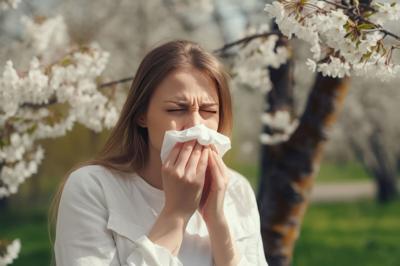

You're captivated by their colors, entranced by their elegance, and bewitched by their beauty. Yet, you're unaware of the allergenic side of these beautiful blossoms.
It's not just pollen that you've got to watch out for; certain blossoms can trigger allergies too.
Let's delve deep into the lesser-known allergenic world of flowers, learn about common allergenic species, identify symptoms, understand diagnoses, treatments, and discover preventive measures to keep you sniffle-free.
Understanding Allergies From Blossoms
While you're admiring the beauty of blossoms, it's crucial to understand that they can also trigger allergies, causing discomfort and sometimes serious health issues. You may not know this, but blossoms produce pollen, a fine powder that's carried by the wind. When you inhale this pollen, your immune system might identify it as a threat and overreact, resulting in an allergy.
This reaction happens because your immune system produces antibodies known as Immunoglobulin E (IgE) which attach themselves to mast cells found in your nasal passages, lungs, and skin. When pollen binds to these antibodies, it causes the mast cells to release chemicals, including histamines. It's these histamines that cause most allergy symptoms such as runny nose, itchy eyes, and sneezing.
Understanding the biological mechanics of these allergies is key to managing the symptoms. You can't stop blossoms from producing pollen, but you can limit your exposure. Keep an eye on local pollen forecasts, stay indoors on high pollen count days, and consider over-the-counter or prescribed antihistamines.
Common Allergenic Flower Species
Now that you're aware of how blossoms can trigger allergies, let's delve into some common flowers that can cause allergies.
First off, we've the innocent-looking daisy. Don't be fooled by its pleasant appearance; its pollen is a known allergen.
Ragweed, a less attractive but equally potent allergen, is also a frequent culprit. It's notorious for causing hay fever, a condition characterized by sneezing, itchy eyes, and a runny nose.
Then there's the goldenrod, often mistakenly blamed for allergies due to its proximity to ragweed. However, studies have confirmed its allergenic potential.
Similarly, sunflowers, while beautiful, also produce pollen that can induce allergies. You'll also want to be wary of the lovely chrysanthemum, a popular choice for gardens and bouquets, but unfortunately, a source of allergenic pollen.
Lastly, we've the orchid, a common houseplant. While it doesn't release a lot of pollen into the air, it can still cause skin reactions if you're sensitive. So, don't let their beauty deceive you.
Understanding the allergenic potential of these flowers is vital to managing your symptoms and enjoying nature without discomfort.
Symptoms of Flower-Induced Allergies
After learning about these allergenic flowers, you might be wondering what specific symptoms you should watch out for if you're allergic. The most common symptoms can be divided into two categories: respiratory and dermatological.
In the respiratory category, you'll find symptoms like sneezing, nasal congestion, coughing, and shortness of breath. You may also experience postnasal drip, sinus pressure, and itchy, watery eyes. These symptoms are due to the inhalation of pollen grains, which triggers an immune response in your body.
On the dermatological side, you could experience skin reactions such as hives, rashes, or eczema. These are often caused by physical contact with allergenic flower parts, particularly the pollen. You might also notice red, itchy, or watery eyes – a symptom that overlaps with the respiratory category.
In more severe cases, a flower-induced allergic reaction could lead to anaphylaxis, a life-threatening condition that requires immediate medical attention. Symptoms include difficulty breathing, dizziness, rapid pulse, and a sudden drop in blood pressure.
It's essential to recognize these symptoms early, as quick and appropriate treatment can prevent a mild reaction from escalating into a severe one. Remember, individual responses can vary, so always consult with a healthcare professional if you suspect a flower allergy.
Diagnosing Blossom-Related Allergies
If you've noticed any of these symptoms, it's crucial to get a proper diagnosis, as there are several tests that can accurately determine whether you're suffering from a blossom-related allergy. These tests are designed to pinpoint the specific allergen causing your discomfort, enabling you to manage your exposure and symptoms effectively.
Typically, two main types of tests are conducted:
Skin Prick Test (SPT):
A small amount of the suspected allergen is placed on your skin.
A tiny needle then pricks the skin, allowing the allergen to enter.
If you're allergic, you'll develop a raised bump or hive at the test site within 15-20 minutes.
Intradermal Test (IDT):
A small amount of allergen is injected just under the skin.
This test is more sensitive than the SPT and may be used if the SPT results are inconclusive.
Both these tests are relatively quick, and results are usually available within 30 minutes.
Treatment for Flower Allergies
Once you're diagnosed with a blossom-related allergy, it's vital to understand the various treatment options available to you. The goal is to manage symptoms and prevent potential reactions.
Typically, over-the-counter (OTC) antihistamines are the first line of defense. They work by blocking the histamines your body releases when it encounters an allergen, thereby combating symptoms like sneezing, itching, and watery eyes.
You might also consider nasal corticosteroids. These are sprays that reduce inflammation in your nose and control allergic reactions. They're often a preferred treatment if antihistamines aren't effective for you.
Decongestants can provide short-term relief for nasal congestion, but they're not recommended for long-term use due to potential side effects.
For severe allergies, immunotherapy may be an option. This involves regular injections (allergy shots) or under-the-tongue tablets that gradually increase your tolerance to the allergen.
It's important to remember that what works best can vary from person to person. Your doctor will help you weigh the benefits and risks of each treatment, taking into account your specific symptoms and allergy severity.
Additionally, staying proactive by avoiding known allergens and keeping your environment clean can significantly reduce your symptoms.
Preventive Measures Against Blossom Allergies
Your garden's beauty doesn't have to cause you allergies, and there are effective ways to prevent such reactions. Two primary strategies are to avoid exposure and to strengthen your immune response.
Consider the following preventive measures:
Avoid Exposure
Know Your Allergens: Understanding which plants you're allergic to is key. Once you've identified them, you can make a conscious effort to avoid them.
Gardening Gear: Wear protective clothing, such as gloves and a mask, when gardening to limit exposure to allergens.
Strengthen Immune Response
Immunotherapy: This treatment involves exposing you to small amounts of the allergen, so your immune system builds up a tolerance over time.
Healthy Lifestyle: Regular exercise, a balanced diet, and adequate sleep can boost your immune system, making you less susceptible to allergic reactions.
Remember, prevention is always better than cure. By limiting exposure to allergens and bolstering your immune system, you can enjoy your garden without the sneezing and itching.
These strategies aren't foolproof, but they can significantly reduce your allergy symptoms, enabling you to appreciate the beauty of blossoms without discomfort.
Conclusion
So, you've been sneezing around roses, eh?
Much like bees drawn to nectar, 7.8% of people are attracted to blooms only to be stung by allergies.
It's no fun dance, this pollen tango.
But armed with knowledge, you can diagnose, treat, and even prevent these floral foes.
Remember, every beautiful blossom has its thorns, but being forearmed means you can still enjoy the dance.
So, let's keep the waltz going, just with fewer sneezes.


(0) comments
We welcome your comments
Log In
Post a comment as Guest
Keep it Clean. Please avoid obscene, vulgar, lewd, racist or sexually-oriented language.
PLEASE TURN OFF YOUR CAPS LOCK.
Don't Threaten. Threats of harming another person will not be tolerated.
Be Truthful. Don't knowingly lie about anyone or anything.
Be Nice. No racism, sexism or any sort of -ism that is degrading to another person.
Be Proactive. Use the 'Report' link on each comment to let us know of abusive posts.
Share with Us. We'd love to hear eyewitness accounts, the history behind an article.