

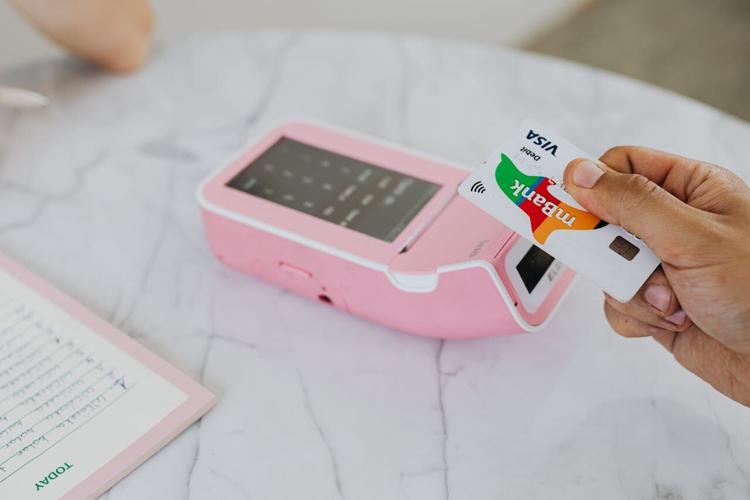
In the fast-paced world of modern commerce, the payment landscape is vastly transforming. Digital payments are becoming the norm, with touch-free transactions, online shopping, and mobile banking carving the path to a cashless society. For small and medium-sized enterprises, the right digital payment solution is not just a convenience but a pivotal tool for growth, customer trust, and operational efficiency. Here are the core factors you should consider when choosing a payment solution that’s finely tuned to your business's needs.

Integration with Point of Sale Systems
The fluidity and ease with which a payment solution integrates with your existing point of sale (POS) systems is critical. A seamless integration ensures that your payment processing and sales data are in sync. Whether you're using legacy hardware or cutting-edge, cloud-based Point of Sale systems, look for a solution that offers straightforward APIs and SDKs that your development team can readily work with. Any new system should not only integrate with your current POS but also promise compatibility with future upgrades, preventing you from being tethered to obsolete technology. For example, a payment solution that can accommodate both physical card readers and virtual terminals will allow you to expand your sales channels without any hiccups. Furthermore, make sure the payment solution is compatible with your accounting and inventory systems to have a complete overview of your business operations.
Security Standards
The digital realm is rife with security threats, making robust protection measures essential. Your payment solution should meet the highest PCI-DSS (Payment Card Industry Data Security Standard) compliance levels. Encryption protocols, tokenization, fraud detection, and prevention tools are non-negotiable. Beyond mere compliance, inquire about the vendor's risk management strategies, and ensure that data breaches won’t compromise your customers’ sensitive information. Opt for a solution that goes above and beyond, offering features like end-to-end encryption and regular security audits. More importantly, ensure that the solution is compliant with your industry’s specific regulations and standards. For those dealing with health information, HIPAA (Health Insurance Portability and Accountability Act) compliance is mandatory.
User-Friendly Interface
The user experience doesn’t end at the product selection; it extends to the payment process. Your payment solution should offer an intuitive interface for your customers, reducing checkout friction and abandoned carts. From single-click payments to mobile-optimized layouts, a user-friendly payment system should feel like a natural extension of the buying process. Simplicity is key, but that shouldn’t come at the cost of security. Strike the right balance that prioritizes usability without sacrificing consumer data integrity. Furthermore, ensure that your employees can efficiently manage the payment system, keeping track of transactions and resolving any issues promptly. Most importantly, make sure that your payment solution is compatible with various devices and browsers to cater to a diverse customer base.
Multiple Payment Options
A diverse customer base calls for diverse payment methods. A singular focus on credit cards might exclude a substantial segment of your clientele that prefers e-wallets, direct bank transfers, or any of the myriad alternative methods. An ideal payment solution is agnostic to the payment types, supporting everything from NFC contactless payments to cryptocurrency transactions. Ensure that it covers all bases, allowing you to cater to customers from around the globe who have varying cultural and financial preferences. Most importantly, the payment solution should reconcile and report all payments seamlessly, giving you a unified view of your finances. Additionally, explore options like recurring billing, invoice payments, and subscription-based models to expand your revenue streams.

Cost-Effectiveness
While the investment in a leading payment solution is undeniably crucial, it shouldn’t come at an exorbitant, non-recoverable cost. Compare fees across various transaction types, including card-present, card-not-present, international, or micropayments. Then, assess the value-added services each payment solution provides against these costs. Sometimes, seemingly higher upfront fees are covered by increased conversions due to a superior user experience or lower long-term costs associated with a trustworthy, secure platform. Even if you find a relatively low-cost solution, ensure that it doesn't cut corners on security or scalability. A robust fraud protection system might save your business more money in the long run than a cheaper, less secure alternative. Moreover, look for payment solutions with transparent pricing and no hidden fees to avoid any unwelcome surprises down the road.
Customer Support
No technology is immune to glitches, and when they arise, rapid and effective customer support is indispensable. Assess the support services offered, including their availability, response time, and depth of expertise. Will you have a dedicated account manager or access to a 24/7 helpline? Are there self-service resources such as knowledge bases and forums? Gain a clear understanding of the level of support you can expect to ensure that your business operations won’t be unduly affected if issues arise. Most importantly, inquire about disaster recovery strategies and business continuity plans to ensure that your payments remain uninterrupted in the face of technical difficulties. For optimal peace of mind, opt for a payment solution that offers comprehensive support services and continuously invests in customer satisfaction.
Scalability
Finally, your business is not static—neither should be your payment system. Scalability is about ensuring your payment solution can grow with your business, accommodating greater transaction volumes, additional sales channels, and geographical expansion. APIs that enable effortless integration with other software and data-driven insights that inform strategic decisions are signs that a payment system is prepared to keep pace with your growth. Moreover, the solution should be able to offer more features and services as your needs evolve. This ensures that you won’t have to switch payment solutions every time your business experiences growth or change. As a result, you can focus on what truly matters: providing top-notch products and services to your customers without worrying about payment processing.
By thoroughly evaluating these criteria, you can set a course for leveraging a payment solution that aligns perfectly with your business' trajectory. Remember, your payment solution is more than a mere conduit for transactions; it's a tangible expression of your business’s commitment to innovation, security, and customer satisfaction. Invest the time and resources in selecting the right one, and you’ll reap the dividends of an efficient, growth-focused digital payment strategy. From integration and security to user experience, options, and support, each of these factors plays a crucial role in your business's success. So choose wisely and embark on the journey towards a prosperous future for your enterprise.


(0) comments
We welcome your comments
Log In
Post a comment as Guest
Keep it Clean. Please avoid obscene, vulgar, lewd, racist or sexually-oriented language.
PLEASE TURN OFF YOUR CAPS LOCK.
Don't Threaten. Threats of harming another person will not be tolerated.
Be Truthful. Don't knowingly lie about anyone or anything.
Be Nice. No racism, sexism or any sort of -ism that is degrading to another person.
Be Proactive. Use the 'Report' link on each comment to let us know of abusive posts.
Share with Us. We'd love to hear eyewitness accounts, the history behind an article.