
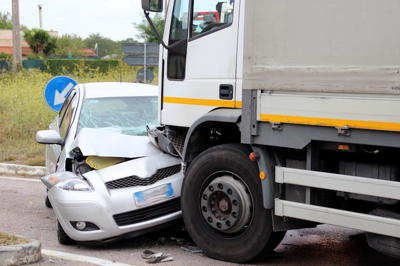

Driving on the highway, it's common to see large 18-wheeler trucks carrying goods to their destinations. These massive vehicles are a crucial part of our economy, but they also pose significant risks on the road. The size and weight of an 18-wheeler make it more prone to accidents.
The size and weight of an 18-wheeler make it more prone to accidents, including truck accidents, leading to severe consequences for other drivers on the road. In this document, we will discuss the legal aspects surrounding an 18-wheeler accident and what you can do if you've been involved in one.
Read further!
Federal Motor Carrier Safety Regulations (FMCSRs)
The Federal Motor Carrier Safety Administration (FMCSA) has set regulations that all commercial motor vehicles, including 18-wheelers, must follow. These regulations cover areas such as:
- driver qualifications
- vehicle maintenance
- hours of service
Drivers of 18-wheelers are required to have a commercial driver's license (CDL). They must also undergo regular medical examinations to ensure they are fit to operate these large vehicles.
Additionally, the FMCSRs also dictate the number of hours a driver can be on duty and behind the wheel. This is to prevent fatigue-related accidents. Otherwise, it can be fatal when operating such massive trucks.
State Traffic Laws
In addition to federal regulations, state traffic laws also apply to 18-wheeler crashes. These laws may vary from state to state. However, it generally covers topics such as:
- speed limits
- proper lane usage
- vehicle weight restrictions
If an accident occurs due to a violation of state traffic laws, the driver and their company can be held liable for any resulting damages.
Liability and Negligence
In the event of an 18-wheeler accident, determining liability can be a complex process. It is essential to understand the concept of negligence and how it applies to these types of accidents.
Negligence refers to the failure to exercise reasonable care, resulting in harm or injury to another person. In an 18-wheeler accident, negligence could involve various parties, including the following:
- driver
- trucking company
- maintenance crew
- manufacturer of the vehicle/vehicle parts
A lawyer from Steve Dimopoulos, who specializes in trucking accidents, can help you navigate the legal complexities and determine who is at fault for the accident.
Commercial Insurance
Commercial trucking companies are required to have insurance coverage to protect against accidents and resulting damages. These policies typically cover both the driver and the company in case of negligence or other legal claims.
However, insurance companies often try to minimize their payouts by downplaying the severity of an accident or shifting blame onto other parties. It is crucial to have a skilled lawyer on your side to ensure you receive fair compensation for any injuries or damages sustained in an 18-wheeler accident.
Investigative Processes
After an 18-wheeler accident, an investigation is typically conducted to determine the cause of the crash and who should be held liable. This may involve collecting evidence such as witness statements, police reports, and data from the truck's black box.
It is essential to have a legal representative involved in this process to ensure all evidence is properly collected and preserved for any potential legal action.
Understand the Regulations and Laws Surrounding an 18-wheeler accident
Understanding the regulations and laws governing 18-wheeler accidents can help you take informed action in case you are involved in one. Remember that seeking professional legal advice after an accident involving crashed trucks or semi trucks today is crucial for protecting your rights and receiving fair compensation. Drive safely! With trusted law services from Prime Lawyers, you can be confident that your legal concerns are in good hands.
Should you wish to explore more topics, you can visit our main blog section. We've got more!
.
Here are some other articles related to your search:
.
(0) comments
We welcome your comments
Log In
Post a comment as Guest
Keep it Clean. Please avoid obscene, vulgar, lewd, racist or sexually-oriented language.
PLEASE TURN OFF YOUR CAPS LOCK.
Don't Threaten. Threats of harming another person will not be tolerated.
Be Truthful. Don't knowingly lie about anyone or anything.
Be Nice. No racism, sexism or any sort of -ism that is degrading to another person.
Be Proactive. Use the 'Report' link on each comment to let us know of abusive posts.
Share with Us. We'd love to hear eyewitness accounts, the history behind an article.