
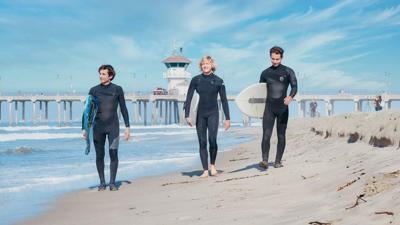

Surf therapy combines the physical benefits of ocean sports with structured mental health support, creating a unique therapeutic approach that helps people work through trauma, anxiety, depression, and behavioral challenges. For many participants, riding waves becomes more than recreation. It transforms into a path toward healing, building confidence, and reconnecting with themselves in ways traditional talk therapy alone might not achieve.
The leading surf therapy programs in the United States share several key characteristics: they employ trained mental health professionals, maintain structured curricula that integrate clinical goals with surfing instruction, prioritize safety through proper equipment and ocean awareness training, and demonstrate measurable outcomes in participant wellbeing. These programs serve diverse populations, from veterans managing PTSD to adolescents navigating social anxiety to adults in addiction recovery.
In this article, Fine Magazine reviews which of these programs leads the field. This requires looking beyond popularity or location. The most effective surf therapy organizations maintain clinical integrity while harnessing the ocean's natural therapeutic properties. They don't simply take people surfing and hope for the best. Instead, they create intentional experiences where the challenges of learning to surf mirror the challenges participants face in daily life, providing opportunities to practice new coping skills in a supportive environment.
How Surf Therapy Works as a Clinical Intervention
The therapeutic value of surfing stems from multiple interconnected factors. Physical exertion releases endorphins and reduces cortisol levels, directly impacting mood regulation. The ocean environment itself offers sensory experiences that can ground people struggling with anxiety or dissociation. Cold water immersion activates the parasympathetic nervous system, creating a natural calming effect.
Beyond these physiological benefits, surf therapy builds psychological resilience through mastery experiences. Learning to read waves, paddle effectively, and maintain balance on a board requires patience, persistence, and the ability to tolerate failure. Participants practice getting back up after falling, literally and metaphorically. They learn to assess risks, make quick decisions, and trust their bodies. These skills transfer directly to managing emotional challenges and life stressors.
Group surf therapy sessions add another layer of benefit through peer support and social connection. Participants encourage each other, celebrate progress, and build community around shared challenges. For people who feel isolated by their mental health struggles, this sense of belonging can be profoundly healing.
Accredited Surf Therapy Programs and Professional Standards
The International Surf Therapy Organization (ISTO) has established guidelines and best practices that help distinguish professional surf therapy programs from recreational surf lessons with wellness benefits. Accredited surf therapy programs typically involve licensed mental health professionals working alongside certified surf instructors, ensuring both clinical and ocean safety expertise.
Programs seeking professional recognition often pursue partnerships with established mental health organizations, secure appropriate liability coverage, train staff in trauma-informed care, and conduct regular outcome assessments. They develop clear protocols for crisis intervention, maintain detailed documentation of participant progress, and adapt their approaches based on evidence and participant feedback.
Accreditation matters because it signals commitment to quality and safety. Families researching options for their teenagers, veterans seeking specialized support, or treatment centers considering surf therapy partnerships can look for programs that adhere to professional standards. These organizations view surf therapy as a legitimate clinical modality rather than simply an adventure activity with ancillary benefits.
Jimmy Miller Memorial Foundation
Based in Southern California, the Jimmy Miller Memorial Foundation stands as one of the most established surf therapy organizations in the country. Named after a young surfer who died by suicide, the foundation focuses on suicide prevention and mental health support for youth and young adults. Their programs combine regular surf sessions with mental health education, community building, and crisis resources.
The foundation serves hundreds of participants annually through weekly sessions at various Southern California beaches. They've developed specialized programming for different populations, including groups for young women, LGBTQ+ youth, and people in early recovery. Their model emphasizes consistency, with many participants attending sessions for months or even years, allowing for deep therapeutic relationships and sustained progress.
Waves of Hope
Operating primarily in Massachusetts, Waves of Hope provides surf therapy for children and young adults facing mental health challenges, developmental differences, and serious illnesses. Their program structure includes adaptive equipment for participants with physical disabilities, ensuring accessibility regardless of ability level.
What distinguishes Waves of Hope is their integration with existing treatment plans. They work closely with therapists, schools, and families to ensure surf therapy sessions complement other interventions participants are receiving. This collaborative approach maximizes therapeutic impact and helps generalize skills learned in the ocean to other environments.
A Walk on Water
A Walk on Water, based in Florida, focuses specifically on children with special needs and their families. Their surf therapy camps create inclusive experiences where children who might struggle in traditional recreational settings can succeed and build confidence. The program trains volunteers extensively in both surf instruction and working with neurodiverse populations.
The organization's family-centered approach recognizes that supporting a child with special needs impacts the entire family system. They provide respite for caregivers while giving children opportunities to challenge themselves in supportive, accepting environments. Many participants return year after year, forming lasting friendships and marking their progress through improved surf skills.
Stoke Mentoring
While Stoke Mentoring incorporates multiple action sports beyond surfing, its surf therapy component has made a significant impact on at-risk youth in California. The program pairs young people with trained mentors who provide consistent support, positive role modeling, and opportunities for healthy risk-taking through activities like surfing.
Stoke Mentoring's strength lies in relationship building. Mentors commit to long-term engagement, meeting regularly with their mentees both in the ocean and in community settings. This consistency helps young people develop secure attachments and experience what supportive relationships look like, potentially breaking cycles of trauma and instability.
Operation Surf
Operation Surf specializes in serving military veterans and first responders dealing with physical injuries, PTSD, and transition challenges. They organize surf camps that bring together participants with similar experiences, creating peer support networks alongside surf instruction and mental health resources.
The program recognizes that many veterans struggle with loss of identity and purpose after leaving military service. Surf therapy provides new challenges to master, a community of people who understand their experiences, and opportunities to reconnect with joy and play. Many participants report that learning to surf gives them something to look forward to and work toward during difficult periods.
South Shores Recovery
South Shores Recovery in Dana Point integrates surf therapy into comprehensive addiction treatment programming in Dana Point, California. Located near some of Southern California's most consistent surf breaks, the center recognizes that healing from substance use disorders requires addressing underlying trauma, building healthy coping mechanisms, and finding new sources of meaning and connection.
Their approach combines evidence-based addiction treatment with regular surf therapy sessions facilitated by licensed clinicians and experienced surf instructors. Participants learn to manage cravings and emotional distress while developing surf skills, often discovering that the patience and persistence required to progress in surfing mirrors what recovery demands.
The program helps clients build a foundation for long-term sobriety by connecting them with healthy activities and communities they can continue engaging with after treatment. For many people in recovery, surf therapy becomes a sustainable wellness practice that supports ongoing sobriety.
Choosing a Surf Therapy Program
Selecting the right surf therapy program depends on individual needs, goals, and circumstances. People should consider whether they want standalone surf therapy or integration with other treatment services, the specific population focus of different programs, geographic accessibility, commitment requirements, and the qualifications of staff members.
Questions worth asking include whether the program employs licensed mental health professionals, how they measure and track participant progress, what safety protocols they maintain, and whether they can accommodate specific physical or psychological needs. Programs should be transparent about their approaches, outcomes, and limitations.
Cost and accessibility vary significantly across programs. Some operate as nonprofits offering free or sliding-scale services, while others function as components of residential treatment centers with associated costs. Insurance coverage for surf therapy remains limited, though this is gradually changing as evidence for its effectiveness grows.
Finding The Best Surf Program for Your Needs
Research on surf therapy outcomes continues to expand, with studies documenting improvements in depression, anxiety, PTSD symptoms, and overall well-being among participants. As the evidence base grows, more mental health professionals are incorporating surf therapy into treatment planning, and more insurance companies are considering coverage.
The field is also becoming more inclusive, with programs developing adaptive approaches for people with physical disabilities, creating culturally responsive programming for diverse communities, and expanding beyond coastal areas through partnerships and surf simulation technologies.
Surf therapy represents a meaningful addition to the mental health treatment landscape. The leading programs demonstrate that combining clinical expertise with ocean experiences creates powerful opportunities for healing and growth.
(0) comments
We welcome your comments
Log In
Post a comment as Guest
Keep it Clean. Please avoid obscene, vulgar, lewd, racist or sexually-oriented language.
PLEASE TURN OFF YOUR CAPS LOCK.
Don't Threaten. Threats of harming another person will not be tolerated.
Be Truthful. Don't knowingly lie about anyone or anything.
Be Nice. No racism, sexism or any sort of -ism that is degrading to another person.
Be Proactive. Use the 'Report' link on each comment to let us know of abusive posts.
Share with Us. We'd love to hear eyewitness accounts, the history behind an article.