
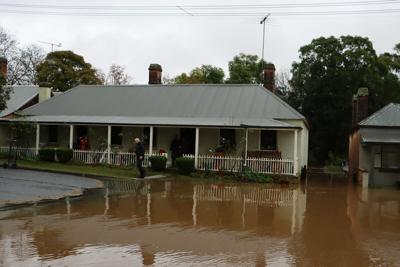
Selling a house already brings a mix of stress and second-guessing, and past water damage often adds to that tension quickly. Many homeowners replay the original issue and wonder if buyers will judge the home unfairly. Thoughts about inspections, price drops, or deals falling apart can linger longer than expected. This worry grows even when repairs were done properly, and the home has stayed dry since. Water damage feels serious because it sounds permanent and risky. In reality, many homes sell every year with repaired water issues. The experience depends more on how the situation is handled than on the damage itself.

Homes with repaired water damage are not rare or unusual. Buyers see them often, even if sellers assume otherwise. What matters most is how clearly the story is told and how realistic expectations are set. Once sellers understand that buyers care about today’s condition, stress starts to ease. The process feels less personal and more practical. That shift makes selling feel possible again. Confidence grows when fear is replaced with facts.
Why water damage history makes sellers uneasy
The moment sellers think about an old leak or flooding issue, anxiety usually builds fast. Many imagine buyers walking through the door already looking for problems. Others worry the home will sit longer than nearby listings with no history at all. These thoughts can slow momentum before the house is even listed. Sellers often feel like they need to defend the home instead of presenting it. That feeling alone creates pressure. Most of the stress comes from uncertainty rather than real buyer behavior.
Water damage often comes from everyday situations like heavy rain, aging plumbing, or drainage issues. These events affect homes in all neighborhoods and price ranges. Buyers who have owned homes before usually understand this reality. They expect some history in older properties. Sellers tend to assume buyers are harsher than they really are. Once this is understood, the emotional weight drops. Selling feels less intimidating.
Many sellers choose to work with Chris Buys Homes KC to avoid delays tied to inspections and financing. Cash buyers already expect repaired issues and focus on the current condition. That mindset removes tension early in the process. Sellers avoid feeling judged over past problems. Conversations stay simple and direct. The sale feels more predictable from the start.
How buyers usually respond at first
When buyers hear about water damage, their reaction is often emotional before logical. They picture damp smells, discomfort, or repairs disrupting daily life. Even when a space looks clean and dry, the idea alone can cause hesitation. This pause does not mean rejection. It usually means buyers want reassurance. Most buyers need time to process information before asking questions.
Home Inspection concerns often add to that hesitation. Buyers worry reports might sound worse than the situation really is. They fear spending time and money only to face complications later. This concern can slow decisions early in the process. Many buyers do not understand inspection language well. They react to wording instead of meaning. That confusion creates unnecessary fear.
There is also a misunderstanding around what fixed really means. Some buyers assume water damage always returns. Without context, they imagine repeating problems. Clear explanations calm those worries quickly. When buyers understand the cause and the fix, reactions soften. Conversations become easier and more productive.
What inspections tend to focus on
Inspectors focus on active problems rather than old ones. They look for moisture, soft materials, ventilation issues, and visible leaks. A repaired area with no current signs usually receives neutral notes. Age of the repair matters less than the present condition. Inspectors document history for completeness. That does not always mean danger.
Inspection reports can still feel intimidating to buyers. Phrases like previous water intrusion sound serious at first glance. Buyers sometimes assume the worst without reading further. Sellers who understand this stay calm during the process. Panic usually comes from wording rather than findings. Clear explanations help keep reactions measured.
Sharing background information helps buyers interpret reports correctly. Explaining when the issue happened and how it was resolved adds clarity. Buyers feel more comfortable when they understand the full picture. This prevents overreaction during negotiations. Inspections feel routine rather than threatening. The process moves forward smoothly.
Proof carries more weight than reassurance
Telling buyers repairs were completed helps, though proof builds confidence faster. Invoices, warranties, and contractor records show the work was handled properly. These details show responsibility rather than shortcuts. Buyers feel reassured when professionals are involved. Documentation reduces the need for long explanations. It also limits repeated questions later. Confidence grows quickly with proof.
Photos from the repair process can also help. Before and after images show what was fixed and how. Buyers can see that the issue was addressed at the source. Mold treatment receipts or waterproofing guarantees add reassurance. Visual evidence removes doubt more effectively than words. Negotiations become smoother. Trust builds naturally.
When paperwork is missing, a new inspection can help. A neutral report replaces guessing with facts. Buyers appreciate transparency around past property damage. This step often shortens negotiations rather than complicating them. Questions are answered early. The process feels straightforward again.
Disclosure keeps things steady
Sharing past water damage upfront builds trust. Buyers react more negatively to surprises than to known issues. Early disclosure sets expectations before emotions take over. This prevents tension later in the sale. Buyers feel respected when information is shared openly. Trust forms early. Deals stay more stable.
Disclosure also protects sellers. Many states require known issues to be disclosed. Failing to do so risks delays or canceled contracts. Honest disclosure keeps transactions clean. It reduces future disputes. Buyers appreciate transparency even when problems exist. Clarity benefits both sides. Clear disclosure shapes negotiations. Buyers who expect repaired damage focus on price and timing. Fear fades when information is clear. Conversations stay practical. The deal moves forward with fewer interruptions. Everyone stays aligned.
Pricing matters more than history
Price influences buyer comfort more than water damage history alone. Homes with repaired issues sell when pricing reflects the condition. Overpricing often leads to hesitation and longer market time. Buyers question value when price and condition feel mismatched. This creates unnecessary friction. Realistic pricing reduces pushback early. Momentum builds faster.
Comparing similar homes helps guide pricing decisions. Properties without damage history may sell for higher prices. Repaired homes often align slightly lower. This difference reflects buyer perception rather than actual quality. Sellers who understand this avoid frustration. Fair pricing attracts serious buyers. Listings gain traction. Strong pricing decisions simplify everything else. Informed buyers move forward with confidence. Negotiations stay focused. Sellers avoid prolonged uncertainty. Stress decreases as interest increases. The sale feels more controlled.
When small updates help
Some sellers choose small improvements before listing. Improving drainage, sealing cracks, or improving airflow can ease buyer concerns. These updates show care and attention. Buyers notice maintenance efforts. Comfort increases during showings. Confidence grows naturally.
Large renovations are rarely necessary. Focused fixes address concerns without overspending. Sellers should consider timing and goals. Quick sales often do not require updates. Longer listings may benefit from selective improvements. Balance matters. Both approaches can work. The key is alignment with expectations. A clear strategy prevents regret. Sellers feel more confident in their decisions. The process stays manageable.
Why cash buyers feel different
Cash buyers expect repaired issues in many homes. Past water damage does not surprise them. Repair history becomes part of value calculations. Emotional reactions play a smaller role. Negotiations feel simpler. Sellers gain clarity early. Cash sales avoid lender-driven inspection rules. This reduces delays and repeated requests. Insurance decisions stay separate. Closings move faster. Stress points disappear. The process feels lighter. Many sellers prefer this simplicity. Fewer steps mean fewer surprises. Communication stays direct. Momentum remains steady. Confidence grows throughout the sale.
Insurance timing can create pressure
Insurance questions often appear late in traditional sales. Some insurers request details about past water damage. These requests can slow closing unexpectedly. Sellers feel pressure when timelines tighten. Stress rises late in the process. Momentum can stall. Cash buyers handle insurance independently. This avoids last-minute complications. Closings stay predictable. Sellers avoid waiting on third parties. Timelines remain steady. Peace of mind increases. Understanding this difference helps sellers choose wisely. Some value speed. Others prefer traditional listings. Knowing pressure points helps manage expectations. Control returns to the seller.
Relief comes from the right fit
Selling feels easier once the home meets the right buyer. Past water damage stops feeling heavy. It becomes known information rather than a defining issue. Expectations align naturally. Stress fades quickly. Confidence returns. Homes sell every day with repaired water histories. Preparation, disclosure, and pricing matter more than the past event. Buyers respond to honesty. When everything lines up, uncertainty fades. Time is saved. Moving forward feels calm again.
(0) comments
We welcome your comments
Log In
Post a comment as Guest
Keep it Clean. Please avoid obscene, vulgar, lewd, racist or sexually-oriented language.
PLEASE TURN OFF YOUR CAPS LOCK.
Don't Threaten. Threats of harming another person will not be tolerated.
Be Truthful. Don't knowingly lie about anyone or anything.
Be Nice. No racism, sexism or any sort of -ism that is degrading to another person.
Be Proactive. Use the 'Report' link on each comment to let us know of abusive posts.
Share with Us. We'd love to hear eyewitness accounts, the history behind an article.