
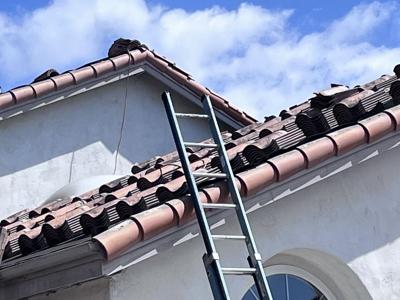
Your roof does not ask for much attention until the exact moment it decides to become the most dramatic member of the household. One day it is quietly doing its job, and the next it is introducing water stains to your ceiling like an uninvited houseguest. If you are planning a roof replacement, the goal is not simply to buy new shingles and hope for the best. The goal is to make smart decisions that protect your home, your budget, and your sanity.
A successful roof replacement is part design decision, part construction project, and part paperwork marathon. Glamorous? Not exactly. Important? Absolutely. The right approach can improve durability, energy performance, weather protection, and overall peace of mind. The wrong approach can leave you with shortcuts, surprise costs, and that special kind of regret homeowners feel when they realize the “great deal” was neither great nor much of a deal.
Here is how to approach a roof replacement like a savvy homeowner instead of a panicked person Googling during a rainstorm.
Start With the Right Roofing Contractor
The first step is choosing a contractor with the proper licensing, insurance, and local credibility. A beautiful estimate means very little if the company cuts corners, disappears mid-project, or leaves you arguing over cleanup while nails sparkle in your driveway like ugly confetti.
The Federal Trade Commission advises homeowners to verify licensing and insurance, get recommendations from trusted sources, and research complaints before signing anything. That is not bureaucratic fussiness. That is how you avoid becoming the cautionary tale at the neighborhood barbecue.
When comparing roofers, ask detailed questions about materials, underlayment, flashing, ventilation, cleanup, warranties, and permit handling. If a contractor becomes vague the second you ask what is included, take that as your sign. Confidence is good. Specificity is better.
For more on vetting pros before work begins, you can also point readers to Why It’s So Hard to Find a Good Roofer And How to Choose the Right One and How Accredited General Contractors Protect Your Household Assets.
Do Not Roof Over Problems You Have Not Investigated
One of the biggest mistakes homeowners make is focusing only on what is visible from the street. Roofing is a system, not a hat. A proper replacement should account for the condition of the decking, flashing, drainage details, penetrations, and ventilation. If those components are ignored, even an expensive new roof can underperform.
That is why a full tear-off is often the smarter route when the existing system is aging or showing signs of widespread wear. Removing old materials gives the contractor the chance to inspect what is underneath and correct hidden issues before they become larger structural or moisture problems. Covering old trouble with new materials may save money upfront, but it can also preserve every mystery hiding below.
This is especially important in climates that deal with wind-driven rain, moisture intrusion, or temperature swings. If your current roof has repeated leaks, soft spots, staining, or chronic repairs, the conversation should be about the entire assembly rather than a cosmetic refresh.
You can support this section with an internal read like When Is It Time to Have Your Roof Replaced by Professionals.
Think Beyond Shingles and Consider Performance
A roof replacement is also the moment to think about how your home performs, not just how it looks. Material choice matters, but so do ventilation, reflectivity, insulation coordination, and drainage. Homeowners often spend hours picking color and about twelve seconds thinking about attic heat. The attic, unfortunately, has opinions.
The U.S. Department of Energy explains that cool roofs are designed to reflect more sunlight and absorb less heat than conventional roofs, which can help reduce roof temperatures. Depending on your climate, roof design and material choice may affect indoor comfort and cooling demand, so this is worth discussing with your contractor before the materials are ordered and dropped in your driveway.
If you are choosing between asphalt shingles, metal, tile, composite, or specialty systems, ask about lifespan, maintenance expectations, weight, ventilation compatibility, and whether the product makes sense for your region. Fancy is lovely, but not when it is mismatched to the house, the weather, or the budget.
For related reading, this article can internally link to Roof Maintenance Practices That Extend Lifespan and Unique Roofing Alternatives for Your Home.
Ask About Incentives Before the Project Begins
Homeowners sometimes assume a new roof is simply an expense, full stop. In reality, certain related energy-efficient improvements may qualify for tax credits, depending on the product and installation. This is not a reason to make a bad roofing decision, but it is a very good reason to ask smarter questions before the contract is finalized.
The IRS and its guidance on the Energy Efficient Home Improvement Credit outline which improvements may qualify. Eligibility depends on the specific product and rules in effect for the tax year, so homeowners should confirm details with a tax professional rather than relying on a contractor who suddenly becomes an amateur CPA the minute rebates come up.
If your project includes qualifying insulation or other energy-related upgrades tied to the roofing work, documenting products and invoices properly matters. “I swear they said it counted” is not the kind of recordkeeping the IRS finds charming.
Get the Contract in Writing and Read the Entire Thing
Once you choose a contractor, insist on a clear written agreement. That contract should spell out materials, scope of work, payment schedule, estimated timeline, permit responsibility, debris removal, warranty terms, change-order procedures, and what happens if damaged decking or other hidden issues are discovered during tear-off.
This matters because roofing projects can evolve once the old materials come off. A written contract reduces confusion and protects both parties when the job turns out to be more involved than originally expected. It is much easier to discuss “possible replacement of compromised decking at stated per-sheet pricing” before the work starts than after someone is standing on your lawn saying, “So, funny story.”
The U.S. Department of Housing and Urban Development also advises homeowners to get more than one estimate, understand what they sign, and know the full job costs before proceeding. Those are timeless rules because construction confusion ages terribly.
A Roof Replacement Should Solve Problems, Not Create New Ones
The best roof replacement is not the one with the flashiest sales pitch. It is the one that addresses the whole system, uses appropriate materials, improves performance where possible, and is installed by a contractor who communicates clearly and documents the work properly. That may not be the sexiest answer, but roofs are like relationship choices in midlife: stability is underrated.
If homeowners approach the project with patience, questions, and realistic expectations, a roof replacement can be one of the smartest upgrades they make. It protects the structure, supports comfort, and helps preserve the long-term condition of the home. And unlike many home upgrades, this one works hardest when no one notices it at all.

(0) comments
We welcome your comments
Log In
Post a comment as Guest
Keep it Clean. Please avoid obscene, vulgar, lewd, racist or sexually-oriented language.
PLEASE TURN OFF YOUR CAPS LOCK.
Don't Threaten. Threats of harming another person will not be tolerated.
Be Truthful. Don't knowingly lie about anyone or anything.
Be Nice. No racism, sexism or any sort of -ism that is degrading to another person.
Be Proactive. Use the 'Report' link on each comment to let us know of abusive posts.
Share with Us. We'd love to hear eyewitness accounts, the history behind an article.