
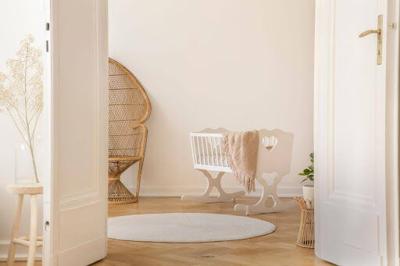

Designing a nursery is one of the most enthralling tasks for parents-to-be. It’s an opportunity to create a space where comfort, safety, and practicality come together to support your baby’s early years. Whether you have a large room or a compact space, planning a nursery involves thoughtful decisions about furniture, organization, and overall design. This guide offers practical tips to help you create a functional and inviting environment for your little one.
1. Start with a Practical Layout
Before purchasing furniture, take time to plan the layout of the nursery. Consider the key activities that will take place in the space, such as sleeping, feeding, and changing. The crib or baby cot should ideally be the focal point, as it is one of the most essential pieces of furniture in the room. Place it in a safe location, away from windows, cords, or anything that could pose a hazard.
Positioning the cot near your bed during the early months, in line with safe sleeping guidelines, is another consideration. For compact rooms, ensure there is enough space to move around comfortably while still accommodating all essential items. A well-organized layout makes daily routines easier and more enjoyable.
2. Choose the Right Baby Cot
Selecting a baby cot is a significant decision, as it will serve as the centerpiece of the nursery. Look for cots that meet current safety standards, with sturdy construction and non-toxic finishes. Features such as adjustable mattress heights allow the cot to adapt as your baby grows, ensuring it remains practical over time.
Convertible cots that transition into toddler beds are a great investment for parents looking for long-term solutions. These designs offer both functionality and value, as they eliminate the need to purchase a separate bed when your child outgrows their cot. Additionally, ensure the cot size fits your room while leaving enough space for other key furniture.
3. Prioritise Storage and Organisation
Babies may be small, but their needs often require a surprising amount of space. From clothing and diapers to toys and bedding, having a system to keep everything organized is essential. Built-in storage options, such as cots with under-bed drawers, can be particularly helpful in smaller nurseries.
Wall-mounted shelves or storage units with labeled bins provide easy access to frequently used items like wipes and changing supplies. Consider multi-functional furniture, such as a changing table that doubles as a dresser, to save space and streamline daily tasks. An organized nursery not only makes routines more manageable but also creates a calm environment for both parents and babies.
4. Focus on Safety Features
Safety is a top priority when setting up a nursery. Ensure all furniture, including the cot, is securely assembled and placed away from potential hazards like heaters, outlets, and blinds with cords. Anchor larger furniture pieces, such as dressers and bookcases, to the wall to prevent tipping.
When choosing a cot, check for features like fixed rails and the appropriate spacing between slats. Avoid using soft bedding, pillows, or stuffed toys inside the cot to reduce the risk of suffocation. Following these guidelines creates a safe sleeping space where you can feel confident leaving your baby.
5. Create a Comfortable Feeding Area
Feeding your baby will likely be a frequent activity, so incorporating a comfortable seating area into the nursery is important. A supportive armchair or rocking chair with soft cushions can make feeding sessions more relaxing for both you and your baby. Place a small side table nearby to hold essentials like burp cloths, bottles, or a glass of water for yourself.
Adding a lamp with adjustable brightness provides gentle lighting during nighttime feeds, creating a calming atmosphere while avoiding harsh overhead lights. A small footrest or ottoman can also enhance comfort, especially during longer feeding sessions.
6. Maximise Lighting and Ventilation
Lighting and ventilation contribute significantly to the nursery’s overall comfort. Natural light during the day can create a bright and cheerful environment, while blackout curtains help regulate sleep by darkening the room during naps and nighttime. Consider layering your window treatments to allow flexibility between light control and privacy.
Ensure the room is well-ventilated, with a consistent temperature to keep your baby comfortable. Avoid placing the cot directly under vents or near heaters to prevent drafts. A small fan or air purifier can improve air circulation, particularly in areas with limited airflow.
7. Add Personal Touches to the Design
While functionality is crucial, adding personal touches can make the nursery feel warm and inviting. Choose a calming color palette, such as soft pastels or neutral tones, to create a soothing environment for your baby. Incorporate wall art, family photos, or decorative items that reflect your personality and style.
Items like a personalized name sign or a growth chart can add charm while being practical. Keep decorations simple to avoid clutter and maintain the room’s focus on comfort and usability.
8. Plan for Growth and Flexibility
Babies grow quickly, and their needs change just as fast. Designing the nursery with flexibility in mind can save you time and effort in the future. Opt for furniture that can adapt, such as a cot that transitions into a toddler bed or modular storage units that can be reconfigured.
Leaving open space in the room allows for easy updates as your baby becomes a toddler and begins to explore. Planning ahead ensures the nursery remains practical and enjoyable for years to come.
Creating a nursery that balances comfort, safety, and functionality doesn’t have to be overwhelming. Thoughtful planning, like choosing a high-quality baby cot and maximizing storage, can help you design a space that supports your baby’s early development while being practical for daily use. By focusing on essential furniture, safety features, and a calm aesthetic, you can create a welcoming environment where both you and your baby feel at ease. A well-designed nursery grows with your family, adapting to changing needs and providing a foundation for lasting memories.

(0) comments
We welcome your comments
Log In
Post a comment as Guest
Keep it Clean. Please avoid obscene, vulgar, lewd, racist or sexually-oriented language.
PLEASE TURN OFF YOUR CAPS LOCK.
Don't Threaten. Threats of harming another person will not be tolerated.
Be Truthful. Don't knowingly lie about anyone or anything.
Be Nice. No racism, sexism or any sort of -ism that is degrading to another person.
Be Proactive. Use the 'Report' link on each comment to let us know of abusive posts.
Share with Us. We'd love to hear eyewitness accounts, the history behind an article.