
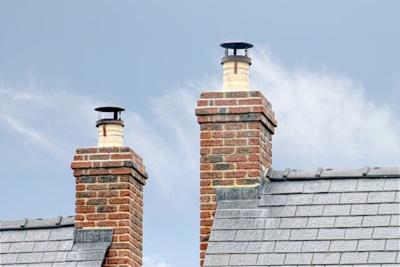

Your home's vertical exhaust system isn't just bricks on your roof. It's a key safety feature. It keeps your family safe from harmful gases and fire risks. Most homeowners often ignore it until a problem arises.
The truth is that a small amount of knowledge may go a long way. Knowing how your flue system works can save you money on repairs. Additionally, it can aid in protecting those you care about. Here’s what you need to know—without the confusing jargon that makes you zone out.
How a Chimney Works and Why It Matters for Your Home
Consider your fireplace's flue to be its lungs. When you light a fire, smoke and toxic gases need somewhere to go. That's where your vertical exhaust system comes in.
Hot air rises—simple physics. As flames heat the air inside your firebox, that warm air shoots upward through the flue. This creates a draft—a natural vacuum that pulls fresh oxygen into the fire while pushing smoke outside.
The difference in temperature between indoor and outdoor air affects how well things work. On mild days, smoke might linger. Cold winter nights? The draft pulls stronger because the temperature contrast is greater.
When this system fails, bad things happen. Carbon monoxide seeps into living spaces. Sparks escape and ignite the roof materials. Nobody wants a house fire at 3 a.m.
Key Chimney Parts and Components to Know
You don't need to become an expert, but knowing the basics helps you spot problems early.
Flue: The interior passage where smoke travels upward.
Damper: A metal plate controls airflow when it is opened or closed.
Crown: The cement top seals masonry from rain damage.
Cap: The metal cover is sitting on top, keeping critters out.
Liner: The protective inner layer shields your home from heat.
Firebox: Where actual burning occurs.
Each component plays a specific role. When one fails, the whole system suffers. Just like a chain, it's only as strong as the link at the end.
How Often to Clean Your Chimney for Safe Operation
"How often should I get this thing cleaned?" every homeowner eventually asks.
The short answer: at least once per year. The National Fire Protection Association suggests you inspect them yearly, even if you don’t use them often.
But frequency depends on how often you burn. Light fires every winter evening? You'll accumulate creosote faster. That black, tar-like substance coats the interior of your flue and becomes a fire hazard when it builds up. A quarter-inch layer raises the risk of ignition a lot.
Chimney sweep services can check buildup levels and clean your system safely. Avoid DIY cleaning without the right tools and training. A missed spot could prove catastrophic.
Common Signs of Chimney Damage and When to Act
Your heating system sends distress signals. You just need to recognize them.
White stains on exterior bricks are efflorescence. They suggest there are moisture issues. Cracked or missing mortar joints let water seep in, causing freeze-thaw damage during winter. A rusted damper shows too much moisture. This can lead to the corrosion of other metal parts.
Inside your home, watch for smoke entering the room during fires. This usually means a blockage or draft issue. Foul smells in humid weather usually come from creosote mixing with moisture.
Spotted any of these? Don't wait. Small repairs today prevent expensive rebuilds tomorrow. Ignoring warning signs is like ignoring that weird noise your car makes—it never gets better on its own.
The Importance of a Chimney Liner for Fire Prevention
The liner is your home's last defense against house fires. It contains heat and combustion byproducts within the flue structure.
Older homes often have no liner at all. Others have clay tile liners that crack over time. Damaged or missing liners allow extreme heat to transfer to the wood framing. The result? Structural fires that spread through walls before you smell smoke.
Modern stainless steel liners offer superior protection. They resist corrosion and can handle temperature changes. With proper care, they usually last 15 to 20 years.
Chimney Cap Benefits and Protection Against Weather and Pests
A cap costs under $200 but saves homeowners thousands in potential damage. Pretty good return on investment, right?
Rain flows directly down your flue if you don't have a cap. Water weakens mortar, rusts dampers, and encourages mold growth. Snow and ice cause similar problems during winter.
Then there's the wildlife issue. Birds, squirrels, and raccoons view uncapped flues as premium real estate. Once they move in, you've got blockages, debris, and the lovely aroma of decomposing animals. Charming.
A properly fitted cap keeps moisture out and critters at bay. Simple solution, major protection.
Conclusion: Keeping Your Chimney Safe
Owning a fireplace comes with responsibility. Regular inspections catch problems early. Annual cleanings remove dangerous buildup. Prompt repairs stop small problems from turning into big disasters.
Your home's vertical exhaust system works hard every time you light a fire. Pay it back by treating it with the respect it merits. A few hundred dollars in maintenance beats tens of thousands in fire damage—or worse, a tragedy no amount of money can fix.
Stay warm. Stay safe. Call a professional when something seems off.
FAQs
How much does a professional cleaning cost?
Most homeowners pay between $150 and $300 for standard cleaning and inspection. Prices vary based on location, accessibility, and build-up. Neglected systems might need extra work, which can lead to higher costs.
Is it possible to burn any kind of wood in my fireplace?
Stick to seasoned hardwoods like oak, maple, or ash. The moisture content of freshly cut "green" wood is excessive. The result is an increase in smoke and a quickening of creosote buildup. Don't burn treated lumber, painted wood, or household garbage. It releases harmful substances.
Why does smoke come into my house when I light a fire?
This can happen for a few reasons: a closed damper, a blocked flue, or negative air pressure in your home. It can also be due to a weak draft from mild outdoor temperatures. Try cracking a window near the fireplace to equalize pressure before lighting.
How long do liners typically last?
Stainless steel liners last 15-20 years under normal conditions. Clay tile liners can last 50+ years, but crack easily from thermal shock. Aluminum liners, used only with gas appliances, typically last 5-10 years.
What's the white residue appearing on my exterior bricks?
That's efflorescence. It happens when water evaporates from masonry, leaving mineral salts behind. It indicates moisture penetration. The white residue is safe, but the water intrusion can harm structures over time and needs to be fixed.

(0) comments
We welcome your comments
Log In
Post a comment as Guest
Keep it Clean. Please avoid obscene, vulgar, lewd, racist or sexually-oriented language.
PLEASE TURN OFF YOUR CAPS LOCK.
Don't Threaten. Threats of harming another person will not be tolerated.
Be Truthful. Don't knowingly lie about anyone or anything.
Be Nice. No racism, sexism or any sort of -ism that is degrading to another person.
Be Proactive. Use the 'Report' link on each comment to let us know of abusive posts.
Share with Us. We'd love to hear eyewitness accounts, the history behind an article.