
Ensuring the integrity of your roof is vital for the protection and longevity of your home. Regular inspections can help identify potential issues before they escalate into costly repairs. In this guide, we will walk you through seven essential steps to properly inspect your roof, empowering you to maintain its condition and safeguard your home from the elements. Whether you're a seasoned homeowner or new to roof maintenance, these practical tips will provide you with the knowledge you need to perform a thorough and effective roof inspection.
Assessing the Overall Condition
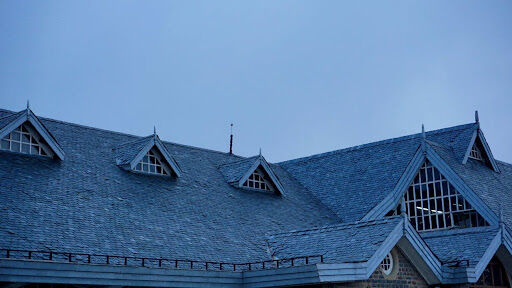
Begin your roof inspection by taking a step back and assessing the overall condition from a distance. This bird's-eye view will allow you to spot any obvious issues like sagging, missing shingles, or areas with significant discoloration. Use binoculars if necessary to get a clearer picture of the problem areas.
Next, examine the roof's structure for alignment issues. Check if the roof lines are straight and level. Any sagging or uneven sections might indicate underlying structural problems that need immediate attention from a professional contractor.
Take note of the general cleanliness of your roof. Accumulated debris such as leaves, branches, or moss growth can retain moisture and cause damage over time. Cleaning your roof periodically can help prevent these issues and extend the lifespan of your roofing materials. Most roof inspections range from $75 to $700, it depends on your location, the type of roof, and its slope. If you are not comfortable with heights or unfamiliar with safety procedures, it is best to hire a professional roofing contractor for a thorough inspection.
Inspecting Shingles and Flashing
Shingles are your roof's primary defense against the elements, so it's vital to inspect them meticulously. Look for signs of wear, such as curling, cracking, or granule loss. Damaged or missing shingles should be replaced promptly to prevent water infiltration and subsequent damage to the underlying structure.
Flashing, the material used to seal joints and edges, is another critical component to examine. Pay close attention to areas where the roof meets vertical surfaces, such as chimneys, vent pipes, and skylights. Ensure that the flashing is securely fastened and free from rust or corrosion, as compromised flashing can lead to water leaks.
Inspect the seals around the vents and chimneys. Any gaps or cracks should be sealed immediately to prevent water from seeping into your home. Properly maintained flashing and seals are essential for ensuring the long-term integrity of your roof.
Checking Gutters and Downspouts
Gutters and downspouts play a crucial role in directing water away from your home, so keeping them in good condition is essential. Begin your inspection by ensuring that gutters are free of debris. Leaves, twigs, and dirt can cause blockages, leading to water overflow and potential damage to your roof and foundation.
Once the gutters are clean, check for signs of rust, corrosion, or damage such as sagging or detachment from the roof. Damaged gutters can become inefficient and may need repair or replacement. Properly functioning gutters are vital for preventing water accumulation that can damage roofing materials and cause leaks.
Examine the downspouts to ensure they are securely attached and directing water away from your home's foundation. Any signs of leakage or disconnection should be addressed immediately to prevent water damage to both the roof and the foundation of your house. Regular maintenance of gutters and downspouts will ensure a smooth flow of water and prevent long-term issues.
Evaluating the Attic
A thorough roof inspection is incomplete without evaluating the attic. Access the attic during daylight hours and look for signs of daylight seeping through cracks or holes in the roof. Such breaches indicate potential leaks and should be repaired promptly.
Check the attic for any signs of moisture or water damage, such as water stains, mold, or mildew. These symptoms often point to roof leaks or ventilation issues that need immediate attention. Proper attic ventilation helps in maintaining the overall health of your roof and prevents moisture buildup.
Inspect the attic insulation. Adequate insulation not only keeps your home energy-efficient but also prevents ice dams and attic condensation. Ensure that the insulation is evenly distributed and shows no signs of water damage, which could compromise its effectiveness.
Examining Roof Ventilation
Proper roof ventilation is crucial for maintaining the overall health and efficiency of your roofing system. Begin by inspecting the roof vents to ensure they are not blocked by debris or insulation. Blockages can restrict airflow, leading to heat buildup and potential damage to your roof shingles or materials.
Check for signs of moisture accumulation around the roof vents, as this might indicate poor ventilation. Moisture issues can lead to mold growth and deterioration of roofing materials over time. If you notice any dampness or mold near the vents, consider improving the ventilation system to increase airflow and reduce humidity levels in your attic.
Consider the type of ventilation system your roof employs, whether it’s ridge vents, soffit vents, or attic fans. Ensure all components are functional and free of obstructions. Adequate ventilation helps regulate temperature and moisture levels, preventing issues like ice dams in winter and overheating in summer.
Inspecting Roof Components
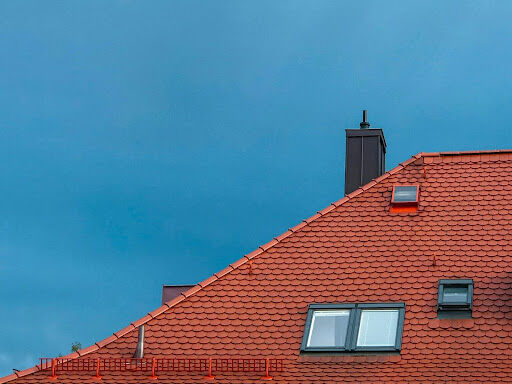
Roof components such as skylights, chimneys, and vent pipes need special attention during your inspection. Start by examining the skylights for cracks, leaks, or condensation between glass panes. Any signs of damage should be addressed immediately to prevent water infiltration and further roof damage.
Assess the condition of your chimney. Look for crumbling bricks or mortar, which can indicate structural weaknesses. Ensure that the chimney cap is intact and free of debris, as this prevents water and pests from entering your home. Additionally, inspect the flashing around the chimney for signs of wear or damage.
Check the vent pipes for cracks or loose fittings. These pipes are essential for venting gases from your home, and any damage can compromise your roof's integrity. Ensure that the vent pipe boots are in good condition and sealed properly to avoid leaks.
Testing for Structural Integrity
To ensure your roof's structural integrity, start by walking gently on the roof to detect any soft spots or areas of sagging. Soft spots can indicate rot or water damage beneath the shingles, requiring further investigation and potentially immediate repairs.
Examine the roof framing from both the exterior and inside the attic. Look for signs of warping, bowing, or cracking in the rafters and trusses, as these can signal structural issues that need professional attention. Strong and sturdy framing is essential for supporting the weight of the roofing materials and maintaining the overall structure of your home.
Assess the underlayment, which is the layer of material between the roof deck and shingles. If you notice any tears or disintegration in the underlayment, it indicates that it may no longer be effective in providing an extra layer of moisture protection. Replacing damaged underlayment can prevent leaks and extend your roof's lifespan.
Performing regular inspections and addressing issues promptly is crucial for maintaining your roof's condition. Regular maintenance can save you from expensive repairs in the long run and keep your home safe and protected. With these seven essential steps, you now have the knowledge to effectively inspect your roof and ensure its longevity for years to come.
(0) comments
We welcome your comments
Log In
Post a comment as Guest
Keep it Clean. Please avoid obscene, vulgar, lewd, racist or sexually-oriented language.
PLEASE TURN OFF YOUR CAPS LOCK.
Don't Threaten. Threats of harming another person will not be tolerated.
Be Truthful. Don't knowingly lie about anyone or anything.
Be Nice. No racism, sexism or any sort of -ism that is degrading to another person.
Be Proactive. Use the 'Report' link on each comment to let us know of abusive posts.
Share with Us. We'd love to hear eyewitness accounts, the history behind an article.