
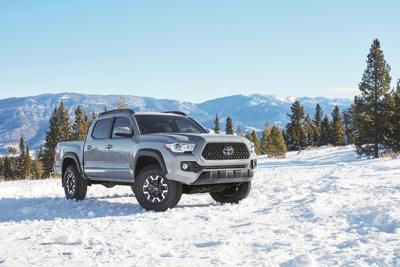

A used pickup truck can serve as a commuter vehicle, work partner, or dependable hauler for drivers in Iowa. Fuel economy deserves attention because gasoline expenses continue after the purchase paperwork is complete. EPA estimates provide a standardized reference that helps shoppers compare fuel use among different trucks.
Fuel costs can shape a truck’s value long after purchase. A lower purchase price may come with higher fuel consumption across thousands of annual miles. A careful comparison can reveal how engine choice, drivetrain, and intended use may affect ownership costs. To know more, read this article.
Compare Fuel Economy With Purchase Price
Fuel economy deserves a place beside the asking price during a used-truck comparison. After comparing current options across several price points, shoppers assessing local listings for used trucks for sale in Iowa can use EPA figures to assess the initial purchase cost. City, highway, and combined ratings create a common basis for comparing pickups with different engines and drivetrains. The combined figure helps create an annual fuel estimate. Estimate yearly miles, divide that amount by combined MPG, then multiply the result by an expected gasoline price to estimate gallons.
Assess Driving and Work Demands in Iowa
Pickup truck owners may encounter interstate travel, rural roads, city traffic, and long commutes. Each situation can produce different fuel results, so an EPA estimate should serve as a comparison baseline rather than a promise. Payload, towing, weather, maintenance, and driving habits can influence actual consumption.
Use These Checks Before Comparing Trucks
- Match the city rating with frequent stop-and-go travel.
- Check the highway rating for long-distance trips.
- Review the combined rating for mixed daily driving.
- Consider four-wheel drive, engine size, and towing equipment.
These details connect the rating with the truck’s intended work.
Evaluate Model Years More Precisely
Used inventories can contain several model years with different engines, transmissions, and drivetrains. EPA estimates give shoppers a consistent starting point when similar trucks have different specifications. A small MPG difference matters when annual mileage is high.
The EPA’s 2025 Automotive Trends Report provides useful context. For model year 2024, average pickup truck fuel economy reached 20.5 MPG, while pickup fuel economy remained unchanged from 2023. This is a fleetwide estimate, so individual trucks can differ.
Turn EPA Figures Into Annual Fuel Estimates
Fuel economy becomes more useful when connected to expected mileage. A driver covering 15,000 miles can compare gasoline use between two pickups. A truck rated at 20 MPG would require about 750 gallons for 15,000 miles, while a 25-MPG truck would require about 600 gallons. That 150-gallon difference can matter over several years. Fuel costs should sit beside purchase price, insurance, maintenance, and repairs.
Apply This Calculation
- Divide annual miles by the EPA combined MPG.
- Multiply estimated gallons by a reasonable fuel-price figure.
- Compare the result across trucks with similar capabilities.
This method can expose meaningful operating-cost differences.
Pair EPA Ratings With Vehicle Condition
Fuel economy should never stand alone in a used pickup truck evaluation. Service records, mileage, tire condition, drivetrain configuration, engine performance, and signs of previous damage deserve attention. A truck with favorable MPG figures still needs a careful inspection. Shoppers reviewing used trucks for sale in Iowa can use EPA data to narrow choices before a test drive. A suitable pickup truck should provide required capability while keeping fuel consumption within a comfortable budget.
EPA estimates make fuel use easier to compare across used pickups. Annual calculations show how MPG can influence ownership expenses. Pairing those figures with capability and condition supports a smarter purchase in Iowa.

(0) comments
We welcome your comments
Log In
Post a comment as Guest
Keep it Clean. Please avoid obscene, vulgar, lewd, racist or sexually-oriented language.
PLEASE TURN OFF YOUR CAPS LOCK.
Don't Threaten. Threats of harming another person will not be tolerated.
Be Truthful. Don't knowingly lie about anyone or anything.
Be Nice. No racism, sexism or any sort of -ism that is degrading to another person.
Be Proactive. Use the 'Report' link on each comment to let us know of abusive posts.
Share with Us. We'd love to hear eyewitness accounts, the history behind an article.