
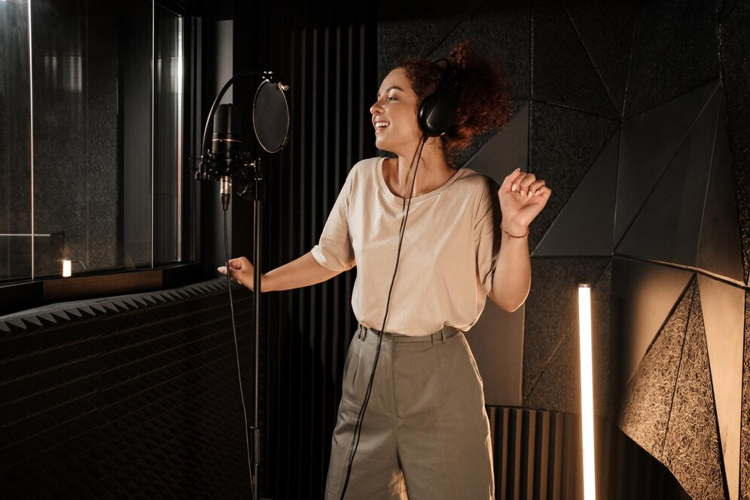

There’s something magnetic about a day in the studio. Whether you’re cutting your first demo or finessing your next single, walking into a well-equipped space with your vision and your vibe locked in can feel downright cinematic. But the best studio days don’t just happen—they’re built, carefully and intentionally, from the moment you start packing your bag to the second you hit "record."
For artists who care as much about how they show up as what they lay down, planning for a studio session is about balancing creativity and control. It’s not just about nailing the vocals or laying a perfect beat—it’s about showing up ready to perform, collaborate, and create without distractions.
And while there’s no shortage of places to record, choosing a space that fits your sound and style matters. Whether you're chasing that analog warmth or looking for a modern, high-spec spot to match your energy, working in one of the Top Music Recording Studios in London can make all the difference. A great studio does more than house mics and mixers—it sets a tone. And so should you.

Start With the Vision, Not the Gear
Before you even think about what to bring, think about why you’re heading into the studio. Are you trying to track vocals for a finished song? Capture the vibe of a live jam? Experiment with a new sound or producer? Your intention should shape your approach.
Knowing your creative goal helps streamline everything else. You can pack more efficiently, communicate better with your engineer, and avoid wasting time chasing tones you could’ve prepped for in advance. It also helps you figure out who else (if anyone) should be in the room with you.
If you’re planning a collaborative session, let your collaborators know the vision too. Everyone works better when they’re not guessing at the plan.
Curate the Vibe: Clothing, Energy, and Comfort
Let’s talk about the part no one wants to admit matters—but absolutely does: what you wear. You don’t have to show up dressed for the red carpet, but don’t underestimate how style impacts confidence and comfort. If you feel good, you perform better. Period.
That doesn’t mean squeezing into a stiff outfit or new kicks you haven’t broken in. Think of it as functional fashion—gear that works for long hours and still looks fresh if someone whips out a camera mid-take.
Tips for styling your studio day:
Layers are key. Studios run hot and cold depending on gear and space.
Headwear matters if you’re working with headphones—skip bulky hats or accessories that interfere.
Soft, noise-free fabrics are ideal. No one wants to re-record because your jacket zipper rattled in the booth.
Bonus: if you’re planning social content around your session, styling a look in advance keeps you from scrambling mid-shoot.
Pack Like a Minimalist Musician
Studio time is precious—and often pricey. You don’t want to waste a second digging through your bag looking for something you forgot. That said, overpacking is just as dangerous. Clutter equals chaos.
Here’s a no-nonsense packing list that hits the sweet spot:
Backup drives or USBs with session files, stems, reference tracks, etc.
Your own headphones, if you're picky about sound or hygiene
Notebook or lyrics sheet, even if you usually use your phone—batteries die
Chargers (yes, plural: phone, laptop, whatever you need)
Water and snacks to avoid hanger mid-session
Personal items like throat lozenges, essential oils, or anything you rely on to reset
And if you play an instrument, check your gear the night before. Broken strings or dead batteries will derail your momentum faster than you can say “phantom power.”
Know the Space Before You Arrive
A little recon goes a long way. You don’t want to waste your creative window figuring out how to turn on the studio monitors or asking for the Wi-Fi password.
Here’s what to check or ask ahead of time:
What gear is included (mics, instruments, DAWs)?
Is an engineer provided or should you bring your own?
Can you bring food and drinks?
What’s the check-in process?
How early can you arrive to set up?
Also, if you’re unfamiliar with the acoustics or layout, request photos or a virtual walk-through beforehand. A visual frame of reference helps you mentally prep your flow.
Lock in the Energy (and Keep It There)
You can have the best gear and the crispiest outfit in the world—but if the vibe is off, nothing lands. Part of your job is setting the tone for the session, whether you’re solo or with a team.
Here’s how to get the energy right:
Start with intentional music as you warm up or set up.
Light a candle or use essential oils—scent triggers memory and mood.
Take a few minutes to breathe or meditate before hitting the booth.
Encourage a no-ego environment if you’re working with others.
Be mindful of your pace. Studio energy is a marathon, not a sprint. Build in time to reset, joke around, or just chill. That breathing room often leads to unexpected breakthroughs.
Communicate with Your Engineer Like a Collaborator
Your sound engineer isn’t just there to push buttons—they’re a creative partner. Treat them like one.
Be clear about your:
Genre and influences
Preferred mic setups
Mixing references
Workflow (do you record in full takes or punch in?)
Break schedule if you know your limits
And listen to their feedback. Great engineers can elevate a session with simple tweaks. If you come in with a flexible mindset, the results will often surprise you—in a good way.
Build In Time for Playback and Adjustments
A common rookie mistake? Recording right up to the last second of your booking. Always build in at least 20–30 minutes for listening back, tweaking, and saving.
Playback is where the magic happens. You might catch a line you want to re-cut, a harmony idea that sparks, or a totally different arrangement that comes to life on the spot. Don’t rob yourself of that moment.
Also, label your tracks and files clearly before you leave. Future-you will thank you when it’s time to mix.
Don’t Skip the Cool-Down
Once the recording stops, the session isn’t over. Just like athletes cool down after a workout, musicians benefit from a post-session wind-down. It’s how you reflect, absorb the day, and close the creative loop.
Cool-down ideas:
Debrief with your engineer or bandmates
Journal quick takeaways or inspiration
Snap a few recap photos or clips for socials (studio selfies are always in)
Rehydrate and stretch—sitting or standing for hours takes a toll
This decompression helps you retain the good stuff and release the tension. Think of it as emotional and creative hygiene.

The biggest flex in any studio session isn’t a flawless take or a slick fit. It’s walking in prepared and leaving open. The magic happens in the middle—between what you planned and what you didn’t see coming.
When your space, sound, and self are all aligned, that’s when real music gets made. Whether you’re layering synths, crooning soul, or spitting bars, showing up with purpose and presence is what sets the pros apart.
So, pack smart. Dress like you mean it. Know your gear. Know your goals. And then let it flow.
Because a great studio day doesn’t just make a track—it makes you feel like you’re exactly where you’re supposed to be.


(0) comments
We welcome your comments
Log In
Post a comment as Guest
Keep it Clean. Please avoid obscene, vulgar, lewd, racist or sexually-oriented language.
PLEASE TURN OFF YOUR CAPS LOCK.
Don't Threaten. Threats of harming another person will not be tolerated.
Be Truthful. Don't knowingly lie about anyone or anything.
Be Nice. No racism, sexism or any sort of -ism that is degrading to another person.
Be Proactive. Use the 'Report' link on each comment to let us know of abusive posts.
Share with Us. We'd love to hear eyewitness accounts, the history behind an article.