

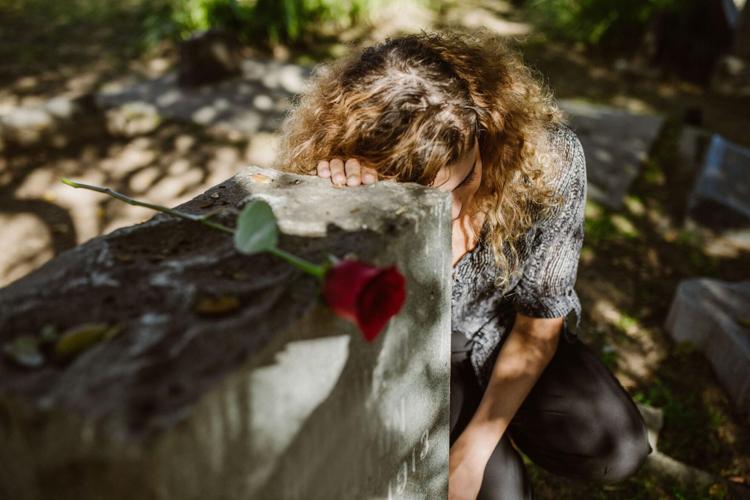
Grief moves through lives in quiet, unpredictable ways. Facing the passing of a loved one can feel overwhelming when experienced alone.
Gathering with friends and family creates a safe space to handle complex emotions. Surrounding yourself with supportive people makes the difficult path toward healing much easier to manage.

Creating Shared Spaces For Healing
Loss disrupts daily routines and leaves an uncomfortable silence in its wake. Step into a room full of people who shared that bond, and the silence lifts. Shared spaces let everyone express sorrow without judgment.
Memories surface naturally when people sit together. Small stories from 10 or 20 years ago bring unexpected smiles to grieving faces. Shared moments remind everyone that love remains long after a life ends.
Pain feels lighter when spread across many shoulders. Being present in a room of supportive friends provides immediate comfort. Nobody has to carry the heavy weight of sorrow entirely on their own.
Finding Comfort In Shared Traditions
Customs and rituals provide a steady anchor during moments of extreme shock. Simple actions give grieving relatives something concrete to focus on when decisions feel impossible. Following established steps helps families organize their thoughts during chaotic days.
Planning a memorial service requires thoughtful decisions from family members. Spending time choosing funeral flowers helps relatives honor their loved one through meaningful visual tributes. Gathering to select the details allows siblings and partners to collaborate on a fitting farewell.
Shared traditions create a meaningful bridge between the past and the future. Participating in tributes helps individuals accept the reality of loss. Returning to normal life becomes manageable after marking the moment together.
Breaking The Isolation Of Grief
Solitude often feels like the easiest choice after losing someone special. Staying isolated actually prolongs emotional pain and breeds feelings of deep loneliness. Reaching out to others breaks that cycle before it takes hold.
A report from the Detroit Cremation Society explained that healing begins in connection rather than isolation when people gather to share stories and memories. Simple group activities help rebuild connections during tough times:
- Sharing favorite meals
- Looking through old photo albums
- Walking through places the loved one enjoyed
Talking openly helps normalize complex feelings that otherwise remain hidden.
Friends offer fresh perspectives when grief clouds clear thinking. Hearing how others cope provides practical ideas for daily survival. Connections remind every individual that they belong to a broader community.
Preserving Legacy Through Storytelling
Every person leaves behind a unique history full of personal achievements and quiet acts of kindness. Gathering together gives everyone a chance to speak those memories out loud. Spoken words keep a person's character vivid in the minds of survivors.
Younger family members learn valuable lessons by listening to older relatives tell stories. Hearing about past struggles and triumphs builds family resilience across generations. History comes alive through heartfelt conversations.
Laughter often mixes with tears during storytelling sessions. Smiling at a funny habit or classic joke brings healthy relief to a heavy heart. Joy and sadness can exist together in the same room.
Building Lasting Remembrance Rituals
Rituals give structure to feelings that words cannot express. Setting aside specific times to remember a family member keeps their spirit present in everyday life. Annual gatherings build a tradition of honor and affection.
An insight published by Tribute.co noted that shared rituals build a record of love that outlasts any individual memory. Creating group traditions helps future generations understand where they came from. Collective moments protect precious memories as years pass.
Simple rituals do not need to be expensive or elaborate to be effective. Lighting candles or gathering for annual dinners keeps connections strong. Consistency builds a strong safety net for everyone involved.
Offering Practical Support To Loved Ones
Grief drains physical energy and makes simple daily chores feel exhausting. Coming together allows community members to share the load of daily life. Practical help shows love through action when words feel inadequate.
Friends can organize meal deliveries or assist with house cleaning during early weeks. Taking care of routine tasks gives the immediate family room to breathe. Small acts of support add up to major relief.
Dividing responsibilities prevents any single person from feeling overwhelmed. Coordinated care keeps support steady over weeks and months. Long-term assistance helps families rebuild their lives step by step.
Using Visual Expressions Of Sympathy
Words sometimes fail when emotions run deep. Visual symbols fill those quiet gaps with messages of love and respect. Thoughtful arrangements communicate care without demanding immediate responses from grieving families.
A guide from Madison Funeral Home highlighted that flowers remain part of memorial traditions as they offer quiet comfort when words are hard to find. People express sympathy visually in several ways:
- Sending personal handwritten sympathy notes
- Displaying floral arrangements at services
- Giving lasting memorial plants for gardens
These physical tokens remind grieving families that others care deeply about their loss.
Surrounding a space with peaceful symbols creates a calm environment for reflection. Soft colors and natural elements help soften harsh surroundings during difficult services. Beauty brings a sense of peace to solemn gatherings.
Supporting Long-Term Emotional Recovery
Healing from a major loss takes months or even years. Initial support often fades after the main services conclude, leaving families feeling isolated again. Long-term connection remains crucial for full recovery.
Checking in on anniversaries and holidays helps grieving friends process difficult dates. A quick phone call or short message shows that a loved one remains remembered. Ongoing attention helps heal deep emotional wounds.
Communities grow stronger when people show up for each other consistently. Standing side by side through grief builds deep bonds that endure for decades. Coming together transforms sorrow into lasting strength.

Facing loss remains one of life's hardest challenges, but nobody needs to walk that difficult road alone. Gathering with loved ones offers steady support and reminds us of shared connections. Together, families find real strength to move forward as they honor those who passed.
Reaching out to comfort others creates a network of care that lasts through generations. Simple acts of togetherness ease heavy burdens during dark days. Shared love transforms deep grief into a lasting foundation for healing and hope.

(0) comments
We welcome your comments
Log In
Post a comment as Guest
Keep it Clean. Please avoid obscene, vulgar, lewd, racist or sexually-oriented language.
PLEASE TURN OFF YOUR CAPS LOCK.
Don't Threaten. Threats of harming another person will not be tolerated.
Be Truthful. Don't knowingly lie about anyone or anything.
Be Nice. No racism, sexism or any sort of -ism that is degrading to another person.
Be Proactive. Use the 'Report' link on each comment to let us know of abusive posts.
Share with Us. We'd love to hear eyewitness accounts, the history behind an article.