
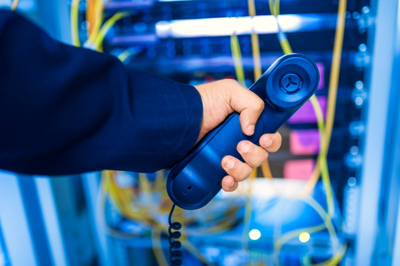

Modern-day companies that operate in customer service by using phone systems know all too well how the approach to B2C relations has changed thanks to the introduction of VoIP, or Voice over Internet Protocol. This technology has taken the place of old-fashioned and traditional phone systems by relying on more scalable communication methods used entirely online.
While numerous businesses have already switched to this modern approach, not all of them realize that the common problems concerning call clarity, uneven pauses, sound issues, and unjustified call dropping could mean that there are larger issues in store. Small businesses that switch to a VoIP service, such as Ooma, often do so to save money, so it’s important to take the time to set up the system correctly and securely.
Time to learn how you can fix common VoIP security issues, and understand how they are connected to the quality of working with any phone system.
Understanding Common VoIP Security Issues
VoIP systems are vulnerable to both technical problems as well as man-made mistakes. In the very beginning, it is crucial to recognize some of the most common issues:
Caller ID Spoofing. If bad actors use fake caller IDs to give the impression of real numbers, it damages the system’s reputation.
Hackers’ Attacks. Networks might get overwhelmed by service-stopping attacks, such as DDoS attacks, which make it impossible to talk.
Stolen Logins. If your login is leaked, third parties who should not be allowed to call, listen to them, or change their parameters can do so.
Jitter Attempts. Cybercriminals could also cause a time delay between when a signal is transmitted and received, leading to a significant drop in audio quality.
In numerous cases, these issues are not considered as obvious attacks, leading many companies to ignore them. However, understanding that these problems are real and could occur anytime is the initial step to learning what can slowly make your VoIP system worse. The sooner you realize these concerns, the more likely you are to prevent the situation from deteriorating.
VoIP Security Issues Identification and Fixes
When it comes to working with VoIP systems, security should become your priority. Early detection has the potential to stop any issues before they escalate into larger problems.
Usually, it is possible to identify a problem when calls do not seem normal any longer, the sound quality drops significantly, you see unauthorized access, or unapproved devices are getting onto the network. Regularly checking the main control panels and records could speed up spotting potential problems as soon as they appear. Both large corporations and startups can benefit from examining their firewall settings, watching how much Internet data is being used, and verifying that all devices are properly registered. As a result, small issues will not expand into large and expensive problems.
Internal Communication Safety With Phone Extensions
Internal phone extension users often recognize them as safe practices inside a business. Meanwhile, they too can become an important VoIP security issue if they are not managed properly. One such problem revolves around passwords, as phone extensions can come with already set passwords that are relatively easy to hack. They might also be allowing internal lines to perform more tasks than agents actually require.
If a hacker gets access to only one of these extensions, they might be able to listen to voice messages, change the destination of phone calls, place calls outside of the business, or even take control of vital system settings. That is why businesses must ensure that what each line can do fits what the person does at their job, if they want to keep everything secure. It is also recommended to check the passwords regularly and look for abnormal patterns, such as calls made really late or multiple calls being made all at once. Just by following these very basic steps, companies can really lower the risk of attacks on phone extensions.
Fixing Jitter, Latency, and Quality Deficiencies
It is quite common for users to blame their hardware or say they are using a weak Internet connection when the real problem lies in their networks not being secure enough. Not upgrading your router to a newer device could cause potential security threats while allowing for unwanted Internet traffic. Furthermore, if your device is secured with a password that is easy to crack, you are inviting a bad actor to do their mischief.
The result of such quality deficiencies revolves around the possibility of jitter and other latency issues. VoIP systems need to be based on high-quality solutions if you want to stop slowdowns from happening.
Protecting your business activity from cyber threats should always start with making sure that your network is secure. Update your device software, strengthen your router settings, and keep voice data separate from other files. This way, you will ensure that all calls go smoothly without any problems caused by bad actions.
Fight and Prevent VoIP Spoofing
Utilizing fake caller IDs, also called spoofing, has become a very harmful risk for voice calls over the Internet. This is because of how easily such bad acts can harm a company’s reputation. Cybercriminals who pretend to be banks, stores, or business departments put both workers and customers at risk of being maltreated.
One of the best ways to protect yourself against spoofing is to utilize authentication. Newer suites of protocols, like STIR/SHAKEN, check who the caller is before the call is connected. Picking service providers that use these systems certainly allows companies to avoid faking the caller ID. Furthermore, your company can also benefit from extra protection by teaching workers to check strange requests and by creating rules about not sharing private details over the phone without properly checking who they are talking to.
Create a Long-Term VoIP Security Approach
Successfully fighting jitter, spoofing, and other potential VoIP security problems requires more than just protection here and now. Relying on ongoing attention is far more important than a simple one-time fix.
Creating a stable security strategy lets teams understand the right ways to manage passwords, what devices are allowed on the network, and how to react should a problem arise. It is really important to train your staff since so many security problems result from human mistakes. Falling for fake calls or sharing their login information are the most common ones.
Companies can take advantage of frequently checking suppliers, logs, and device settings. All this makes sure the system is current and can handle new dangers. With a plan in hand, departments can quickly act when something strange happens, lessening the harm and stopping a small issue from growing into a huge mess.
Secure Your VoIP Now
The baseline is as simple as possible: if you want your VoIP system to work well, you need strong security. When networks are set up right, sound is clearer, login details are safely stored, encryption is activated, and phone extensions are under careful control. Addressing the common security issues helps businesses change their communication systems into dependable, lasting, and safe tools that make things easier instead of harder.
(0) comments
We welcome your comments
Log In
Post a comment as Guest
Keep it Clean. Please avoid obscene, vulgar, lewd, racist or sexually-oriented language.
PLEASE TURN OFF YOUR CAPS LOCK.
Don't Threaten. Threats of harming another person will not be tolerated.
Be Truthful. Don't knowingly lie about anyone or anything.
Be Nice. No racism, sexism or any sort of -ism that is degrading to another person.
Be Proactive. Use the 'Report' link on each comment to let us know of abusive posts.
Share with Us. We'd love to hear eyewitness accounts, the history behind an article.