
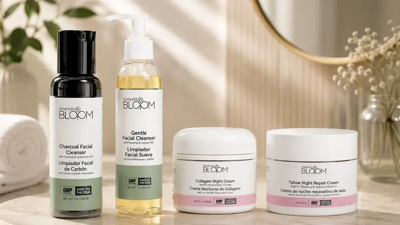

Healthy-looking skin is rarely down to one miracle product. It usually comes from simple, consistent care - the kind that supports skin through both day and night. And two steps often make the biggest difference in a daily routine: proper cleansing and overnight hydration.
During the day, skin is exposed to sweat, excess oil, makeup, sunscreen, pollutants, and other environmental stressors - and when those aren't removed properly, skin can start to feel dull, heavy, or congested. A good cleanser is what refreshes skin and gets it ready for the next steps in your routine.
At night, the focus changes. Your skin needs comfort, moisture, and barrier support while you rest. This is where a well-chosen night cream can help. In this guide, you will learn how daily cleansers and night creams work together, how to choose products for your skin type, and how to build a routine that feels simple, practical, and effective.
Why Your Skin Needs Different Care During the Day and Night?
Daytime Challenges for Your Skin
Your skin faces different challenges during the day than it does at night. From the moment you step outside, it comes into contact with pollution, sweat, excess oil, sunscreen, makeup residue, and other environmental particles. These daily stressors can settle on the surface of the skin and may leave it feeling heavy, dull, or less comfortable by evening.
Daytime skincare is mainly about protection and balance. A morning routine often focuses on keeping the skin clean, hydrated, and shielded from sun exposure. However, as the day goes on, buildup can collect on the skin, especially if you wear sunscreen or makeup. This is why evening cleansing becomes an important step, not just for appearance but for overall skin comfort.
What Happens While You Sleep?
At night, skin shifts into a more restorative phase. While you sleep, the skin barrier is what works to recover from daily stress - and moisture loss can become more noticeable during this time. And this is when skin benefits most - from products that help hold onto hydration and leave things looking smoother and refreshed by morning.
Day and night just place different demands on skin; using the same approach for both isn't always enough. And a thoughtful routine covers both sides - cleansing for daily exposure, hydration for overnight recovery.
Daily Cleansers - The Foundation of Every Healthy Skincare Routine
Why Cleansing Is Essential?
Cleansing is one of the simplest steps in skincare, but it plays a major role in how your skin looks and feels each day. A daily cleanser helps remove dirt, sweat, excess oil, sunscreen, makeup residue, and other impurities that can collect on the skin’s surface. Without proper cleansing, the skin may feel greasy, dull, rough, or congested.
A clean face also gives other skincare products a better starting point. Serums, moisturizers, and night creams go on more easily when skin is fresh and free of buildup. And cleansing doesn't need to feel harsh or stripping - the goal is just to refresh skin while keeping it comfortable, balanced, and ready for whatever comes next in your routine.
Choosing the Right Cleanser for Your Skin Type
Choosing the right cleanser for your skin generally depends on your skin type. Dry skin usually benefits from a creamy or hydrating cleanser that helps reduce a tight feeling after washing. Oily skin may do better with a lightweight gel cleanser that removes excess oil without leaving the skin feeling stripped. Combination skin often needs a balanced formula that cleans without making dry areas feel uncomfortable.
Sensitive skin should look for gentle, fragrance-free options that help cleanse without unnecessary irritation. Mature skin may benefit from formulas that feel soft, nourishing, and supportive of skin comfort. When comparing different facial cleansers, it is helpful to choose one that matches your skin’s daily needs rather than simply picking the strongest formula.
Common Cleansing Mistakes
Some cleansing habits can actually work against the skin. Water that's too hot is what tends to leave the face feeling dry or tight, and washing too often can throw off the skin's natural balance.
Harsh cleansers may leave skin feeling overly stripped - while skipping cleansing before bed just lets the day's buildup sit there overnight. A gentle, consistent approach usually beats an aggressive one.
Why Night Creams Play an Important Role in Overnight Skin Care?
How Night Creams Differ from Daytime Moisturizers?
Night creams are usually made with a richer texture than regular daytime moisturizers. While daytime products often focus on lightweight hydration and layering well under sunscreen or makeup, night creams are designed to stay on the skin for several hours while you sleep. This makes them helpful for people who want longer-lasting moisture and a more comforting finish at the end of the day.
Overnight skincare, though, serves a different purpose entirely. By evening, skin may feel dry, tired, or worn down by the day's exposure. A soft layer of hydration is what a night cream creates - supporting the skin barrier and easing that dry, tight feeling. And instead of piling on extra steps, this one product can round out an evening routine in a simple, practical way.
Key Benefits of Using Night Creams
One of the main benefits of night creams is their ability to lock in hydration overnight. When the skin has enough moisture, it can feel softer, smoother, and more comfortable by morning. Regular use may also help reduce the look of dry patches and support a refreshed appearance after sleep.
Night creams can be especially useful during colder months, after long days outdoors, or when indoor air feels dry. And they're not just for people with mature skin - that's just a myth at this point. Anyone dealing with dehydration, rough texture, seasonal dryness, or a tight feeling after cleansing can benefit from adding one to their evening routine.
Who Can Benefit Most from Night Creams?
Dry skin is what benefits most from richer overnight moisture, while mature skin may appreciate the added comfort and support. Combination skin can use it too - just on the areas that feel dry, without overloading oilier zones. For many people, the key is just finding a texture that feels nourishing but still comfortable on the skin.
Ingredients That Make Cleansers and Night Creams Effective
Gentle Cleansing Ingredients
1. Glycerin: Glycerin helps attract moisture to the skin, so cleansers feel less drying after use. It supports a softer, more comfortable finish.
2. Aloe Vera: Aloe vera is valued for its soothing feel. It works well in cleansers made for skin that feels dry, sensitive, or easily stressed.
3. Green Tea Extract: Green tea extract offers antioxidant support. In cleansers, it helps refresh the skin while supporting a clean and balanced-looking complexion.
4. Chamomile: Chamomile is often used in gentle skincare because of its calming feel. It may help make daily cleansing more comfortable for sensitive skin.
Overnight Hydration Ingredients
1. Hyaluronic Acid: Hyaluronic acid helps the skin hold moisture, making it useful in night creams that focus on plumper, smoother-looking skin by morning.
2. Ceramides: Ceramides help support the skin barrier. They are especially helpful when skin feels dry, rough, or affected by daily environmental stress.
3. Niacinamide: Niacinamide supports a more even-looking tone and smoother texture. It is a popular choice for balanced overnight skincare formulas.
4. Peptides: Peptides are commonly used to support firmer-looking skin. They fit well in night creams designed for mature or tired-looking skin.
5. Squalane: Squalane provides lightweight moisture without a heavy greasy feel. It helps skin feel soft, smooth, and comfortable overnight.
6. Vitamin E: Vitamin E offers antioxidant care and helps nourish the skin. It also supports a more conditioned feel in richer night creams.
7. Shea Butter: Shea butter adds deep, cushiony moisture. It is ideal for dry skin that needs extra comfort and softness during the night.
How to Build a Simple Morning and Evening Skincare Routine?
A good skincare routine does not need to include many steps. It should be simple enough to follow every day and flexible enough to match your skin’s needs. The morning routine usually focuses on freshness, light hydration, and daily protection, while the evening routine helps remove buildup and restore moisture before bed.
Morning Routine
Step 1: Gentle Cleanser
Start with a gentle cleanser to refresh the skin and remove any oil or sweat from the night without leaving the face feeling tight.
Step 2: Serum
Apply a serum if your skin needs extra support, such as hydration, smoother texture, or a brighter-looking tone.
Step 3: Moisturizer
Use a moisturizer to keep the skin comfortable, soft, and balanced throughout the day.
Step 4: Sunscreen
Finish with sunscreen as the final morning step to help protect your skin from daily sun exposure.
Evening Routine
Step 1: Cleanser
Begin with a cleanser to remove sunscreen, makeup, oil, pollution, and other impurities collected during the day.
Step 2: Treatment Products
If you use treatment products, apply them after cleansing and before heavier creams so they layer properly.
Step 3: Night Cream
Finish with a night cream to help seal in moisture and support softer-looking skin by morning.
Layer products from the lightest texture to the richest texture. Give each step a little time to absorb before applying the next one, especially when using serums, treatments, or thicker creams.
Everyday Habits That Help Your Skin Look Its Best
Skincare products work better when healthy daily habits back them up. Drinking enough water is what keeps the body hydrated - and that can genuinely show up as skin comfort and a fresher appearance. Quality sleep matters too; tired skin tends to look dull, dry, or just less balanced.
A nutrient-rich diet can make a difference as well. Foods with vitamins, minerals, protein, and healthy fats are what support overall wellness - and that often shows up in how skin looks. And managing stress helps too, since stress can throw off sleep, habits, and how consistent you actually stay with your routine.
Daily sunscreen use is one of the most important habits for healthier-looking skin over time and it's hard to overstate. Sun exposure is what it protects against; that exposure can contribute to dryness, uneven tone, and visible aging over time. Avoiding smoking helps too - it's another habit that supports a healthier-looking complexion.
Small hygiene habits matter just as much. Clean makeup brushes, fresh pillowcases, a consistent routine - these are what actually help cut down on buildup. And when you pair that with daily cleansing and overnight hydration, you've got a simple foundation for skin that looks cared for every day.
Common Skincare Myths About Cleansing and Moisturizing
Skincare advice gets confusing fast - especially when the same myths keep getting repeated. Take the idea that oily skin doesn't need moisturizer; that's one of the biggest ones out there. In reality, oily skin can still feel dehydrated, and that's exactly what makes a lightweight moisturizer worth using , it helps keep things balanced without feeling heavy.
Another common one is that washing your face more often keeps breakouts away. But it's usually the opposite - over-cleansing can leave skin dry, tight, or irritated. And for most people, a gentle cleanse morning and night is all skin needs.
Some people also think night creams are only for mature skin - that's not true. Anyone dealing with dryness, seasonal changes, or overnight moisture loss - can benefit from one too. Price is another misconception - and a big one. Expensive skincare doesn't always mean better results; what actually matters, more than the price tag, is whether the formula suits your skin type and routine.
Healthy looking skin usually doesn't change overnight and that's the part most people forget. Consistent care, realistic expectations, simple daily habits - that combination is what makes the biggest difference over time.
Healthier-looking skin does not always require a long or complicated routine. In many cases, consistency matters more than the number of products used. Daily cleansers and night creams work well together because they support two different but connected needs: removing buildup and restoring moisture.
A gentle cleanser is what keeps skin fresh. It clears away oil, sweat, sunscreen, makeup - and whatever else the day's left behind. And night cream's job is different - it's there for the evening, helping skin feel softer, smoother, and genuinely more comfortable while you sleep. When both are picked for your actual skin type, daily care gets a lot easier and more effective.
Keeping things simple is really the best approach - pay attention to how your skin responds, and back your products up with steady daily habits. And small, steady choices are often what make the biggest difference over time.
References:
1. Aloe vera: A short review - PubMed https://pubmed.ncbi.nlm.nih.gov/19218914/
2. Green tea and skin - PubMed https://pubmed.ncbi.nlm.nih.gov/10926734/
3. Hyaluronic Acid: A Key Molecule in Skin Aging - PubMed https://pubmed.ncbi.nlm.nih.gov/22052267/
4. Niacinamide: A B vitamin that improves aging facial skin appearance - PubMed https://pubmed.ncbi.nlm.nih.gov/16029679/
(0) comments
We welcome your comments
Log In
Post a comment as Guest
Keep it Clean. Please avoid obscene, vulgar, lewd, racist or sexually-oriented language.
PLEASE TURN OFF YOUR CAPS LOCK.
Don't Threaten. Threats of harming another person will not be tolerated.
Be Truthful. Don't knowingly lie about anyone or anything.
Be Nice. No racism, sexism or any sort of -ism that is degrading to another person.
Be Proactive. Use the 'Report' link on each comment to let us know of abusive posts.
Share with Us. We'd love to hear eyewitness accounts, the history behind an article.