
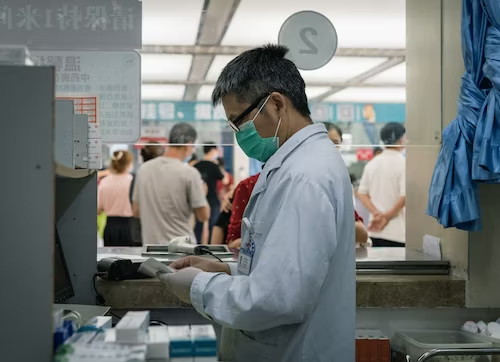
As a physician, relocating for a career move can be a daunting prospect. Between the paperwork involved in transferring licenses and credentials, finding new medical malpractice insurance, and even figuring out where to live, it's easy to feel overwhelmed. Therefore, having a clearly outlined plan and understanding of the process is essential to making your relocation as smooth as possible. This guide provides in-depth information on what relocating for a career entails for physicians, including steps you need to take before moving, what to bring with you, and advice on housing and other considerations.
Seek Real Estate Concierge Services
Leveraging real estate concierge services can be a boon regarding physician relocation. These physician relocation services provide comprehensive assistance, spanning from helping you find a suitable home that fits your needs and lifestyle to managing all the intricate details of the relocation process. Their expertise in the local housing market can be invaluable, ensuring you secure a property in a suitable location with amenities that meet your needs.
Additionally, real estate concierge services can manage your move's logistical aspects. This includes handling paperwork, liaising with movers, and ensuring a smooth transition into your new home. Their goal is to simplify your move, allowing you to focus on what's essential - your career transition. Using these services can alleviate the stress and hassle of relocating, making the process more manageable.
Get Your Financials in Order
Before you relocate, it's essential to sort out your finances. Start by researching the cost of living in your new area and any additional fees or taxes. This will help you understand your budget for housing, bills, groceries, and other essentials. Also, consider relocation costs such as moving services, storage, and packing materials.
It's also essential to ensure you have sufficient savings to cover your living expenses in case you don't find a job right away. Additionally, make sure that all of your existing bills are taken care of and that you have the necessary funds to cover the cost of travel for job interviews if needed.
Get Your Documentation in Order
Before relocating, checking whether your professional licenses and certifications need to be updated or transferred is essential. You should also seek additional qualifications or credentials required for practicing in the new state. In many cases, you will be required to take additional exams or courses and adhere to a certain number of continuing education credits.
If you have kids, it's also essential to ensure all necessary documentation is in order before relocating. This includes verifying school records and arranging for any applicable immunizations. It's also important to check that you have the necessary paperwork for any pets accompanying you on your relocation journey.
Make an Inventory of Furniture and Possessions
When relocating, it's essential to inventory all the furniture and possessions you plan on bringing with you. Doing this will help you determine what needs to be shipped, stored, or sold before your move. It also provides a great opportunity for downsizing - getting rid of any items that no longer serve a purpose in your life. This simplifies the moving process, making it easier to manage your possessions while reducing the associated costs.
Additionally, ensure you have all the necessary items for the move, such as packing materials and boxes. The last thing you want is scurrying around at the last minute, trying to find supplies. If you are hiring a professional mover, contact them to discuss their services and get a quote on how much they will charge for your relocation.
Research Transportation Options and Housing
When considering a relocation, it's vital to research and understand the transportation options in your new location. Assess the public transportation system, including the availability, frequency, and cost of buses, trains, or trams. If you plan on driving, consider the traffic conditions and parking availability, especially near your new workplace. For instance, if the new region has a robust public transportation network, it may be possible to reduce commuting costs by relying on these services instead of maintaining a personal vehicle.
In terms of housing, start by researching the real estate market in the area to understand the cost of renting versus buying a home. Look for locations within a reasonable commute to your workplace and with necessary amenities nearby. Consider factors like the safety of the neighborhood, proximity to schools if you have children, and community features like parks, restaurants, and shopping centers. Online platforms can offer insights into neighborhood demographics and crime rates, helping you decide about your future living situation.
Set Aside Time for Moving
Once you have a preliminary plan, setting aside enough time for the moving process is essential. Depending on how far away your new living location is, this could take several days to weeks. Ensure that your work schedule and other responsibilities are considered when setting timelines - this will help ensure the move is successful and manageable.
Set aside time for settling into your new home once you have arrived. This may include shopping for furniture or other items needed to make your house a home and familiarizing yourself with the local area. Exploring will help you acclimate to your new environment and make your relocation feel more like home.
Prepare for the Unexpected
It's important to remember that unexpected issues may arise during a physician's relocation. Make sure to have a backup plan in case you cannot look for an appropriate job or don't receive the expected financial compensation. It can also be helpful to have an emergency fund set aside to cover any additional costs that may come up.
It's also helpful to prepare a professional and personal list of contacts you can reach out to should any difficulties arise. Access to people familiar with the area is invaluable, as they can provide recommendations on job opportunities or resources related to the relocation process.
Relocating as a physician can be an exciting and rewarding experience. By planning your move, researching your new surroundings, and preparing for the unexpected, you can ensure that your relocation is successful and stress-free. With the right preparation and resources, relocating allows you to start fresh and explore exciting new possibilities in your professional and personal life.

(0) comments
We welcome your comments
Log In
Post a comment as Guest
Keep it Clean. Please avoid obscene, vulgar, lewd, racist or sexually-oriented language.
PLEASE TURN OFF YOUR CAPS LOCK.
Don't Threaten. Threats of harming another person will not be tolerated.
Be Truthful. Don't knowingly lie about anyone or anything.
Be Nice. No racism, sexism or any sort of -ism that is degrading to another person.
Be Proactive. Use the 'Report' link on each comment to let us know of abusive posts.
Share with Us. We'd love to hear eyewitness accounts, the history behind an article.