
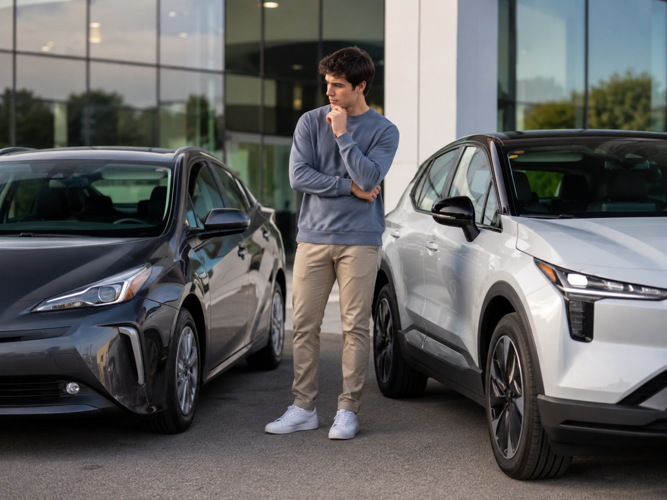
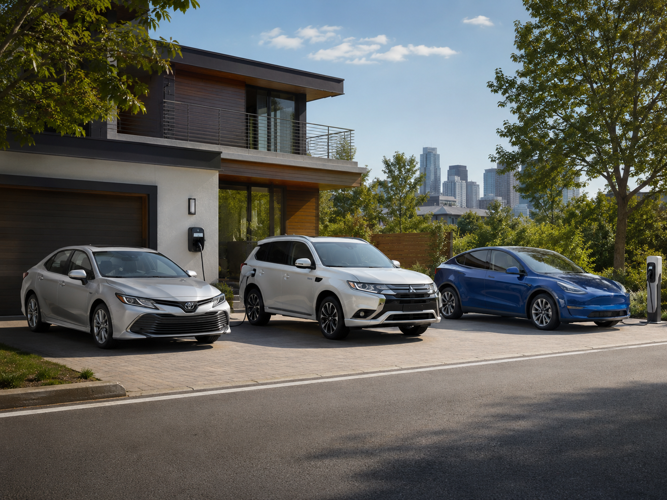

Buying a first car looks very different than it did when hybrid and electric vehicles still felt like a niche choice. Today, many of the most practical beginner-friendly cars are electrified in some way, whether that means a traditional hybrid, a plug-in hybrid, or a fully electric vehicle.
For new drivers, the best choice is not simply the car with the longest electric range, the biggest screen, or the most futuristic styling. It is the car that feels easy to drive, offers useful safety technology, fits the owner’s daily routine, and keeps long-term costs realistic. Fuel economy matters, but so do insurance rates, visibility, parking ease, repair costs, charging access, and crash-test performance.
Before choosing any vehicle, shoppers should compare official fuel-economy information through FuelEconomy.gov, check safety information through the Insurance Institute for Highway Safety and NHTSA, and request an insurance quote before buying. That last step is especially important for families shopping for a teenage or first-time driver, because a vehicle that looks affordable on the window sticker may cost more to insure than expected.
Prices below are approximate starting MSRPs and should be treated as a general guide only. Final cost can vary by trim, destination charge, taxes, location, dealer pricing, incentives, accessories, and availability.
Quick Answer: What Are the Best Hybrid and Electric Cars for New Drivers?

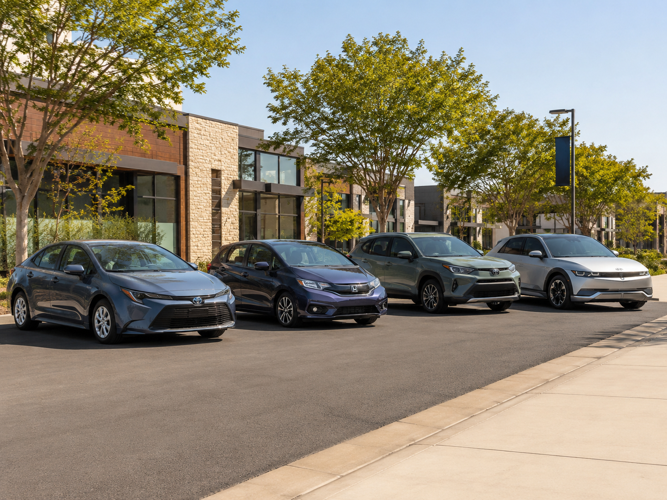
The best hybrid and electric cars for new drivers are practical, efficient, easy to operate, and equipped with modern driver-assistance features. Strong choices include the Toyota Corolla Hybrid, Honda Civic Hybrid, Toyota Prius, Toyota Camry, Kia Niro Hybrid, Toyota Corolla Cross Hybrid, Nissan LEAF, Chevrolet Equinox EV, and Lexus NX Hybrid.
For many first-time drivers, a regular hybrid is the easiest ownership option because it does not require charging. You drive it like a gasoline car, but the electric motor helps reduce fuel use. For drivers who can charge at home, school, or work, a full electric vehicle can also make sense, especially when daily mileage is predictable.
The current number of choices can feel overwhelming, so the simplest way to narrow the field is to start with the driver’s routine. A student commuting across town may be best served by a compact hybrid. A young professional with home charging may enjoy a small EV. A family buying a shared first car may prefer a midsize hybrid sedan or compact crossover.
What New Drivers Should Look For First

A beginner-friendly car should make driving feel less stressful, not more complicated. Advanced technology can be helpful, but only when it supports the driver instead of distracting them.
New drivers should look for:
- Good outward visibility
- Easy parking and manageable dimensions
- Strong crash-test performance
- Automatic emergency braking
- Blind-spot monitoring
- Rear cross-traffic alert
- Lane-keeping assistance
- Simple climate and audio controls
- Reasonable insurance costs
- Practical cargo space
- Comfortable seating position
- Predictable acceleration and braking
Families should request an insurance quote before purchasing, especially if the vehicle will be driven by a teenager or first-time driver. Insurance can vary widely depending on the driver’s age, location, vehicle type, repair costs, safety equipment, and insurer. A car that appears affordable at purchase may still be expensive to insure.
It is also important not to confuse comfort with safety. A higher seating position may help some drivers feel more comfortable or improve their view of the road, but it does not automatically make a vehicle safer. Crash-test performance, visibility, manageable dimensions, tires, braking, driver training, and responsible habits all matter more.
This is especially true for city and suburban drivers, where parking lots, lane changes, pedestrians, cyclists, and tight streets are part of everyday driving. FINE’s guide to choosing the right family car for city living is a helpful companion read for anyone comparing practical vehicles for urban use.
New drivers should also think beyond the purchase price. Insurance, fuel, maintenance, tires, registration, charging equipment, and repairs all affect the true cost of ownership. FINE’s guide to expenses you need to be ready for as a car owner is worth reading before making a final decision.
Toyota Corolla Hybrid: Best Overall Hybrid for New Drivers

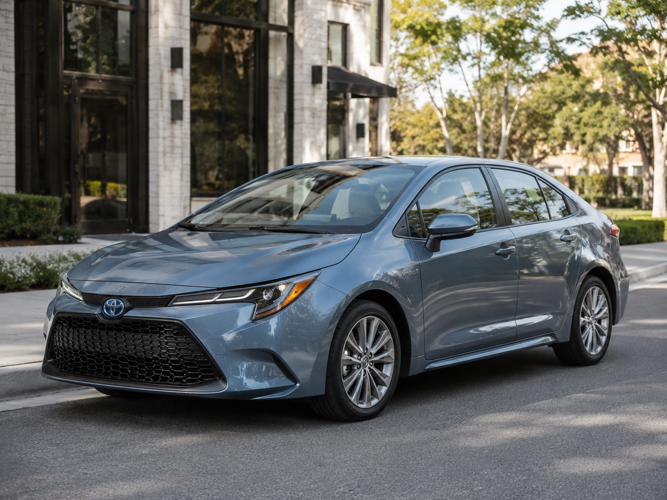
The Toyota Corolla Hybrid is one of the easiest cars to recommend for a new driver. It is compact, efficient, familiar, and simple to live with.
Toyota lists the current Corolla Hybrid LE at a base MSRP of about $24,975, with an estimated 53 city / 46 highway mpg rating. The Hybrid LE also lists Blind Spot Monitor with Rear Cross-Traffic Alert and available all-wheel drive, depending on configuration.
For a new driver, the Corolla Hybrid’s biggest strength is that it does not ask the owner to change their routine. It does not need to be plugged in. It can be refueled like a traditional gasoline car, while still offering much better fuel efficiency than many non-hybrid compact sedans.
Approximate starting price: About $25,000 before destination, taxes, fees, options, and dealer adjustments.
Best for: Students, first-time commuters, city drivers, and families looking for a practical first hybrid.
Why it works: It keeps ownership simple, fuel costs low, and daily driving predictable.
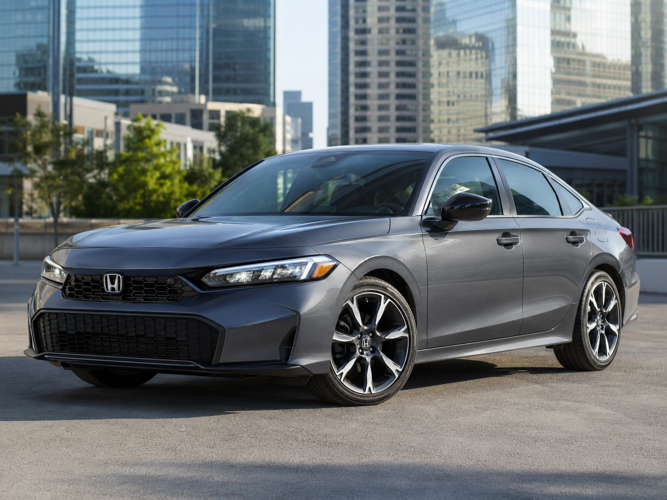
Honda Civic Hybrid: Best Hybrid for a More Polished Drive

The Honda Civic Hybrid is a strong choice for new drivers who want efficiency without giving up a more refined driving feel. The Civic has long been a popular first car because it is compact, easy to drive, and practical without feeling dull.
Honda lists the Civic Sedan Hybrid from about $29,395, with a 50 city / 47 highway mpg rating. The Civic Hybrid also uses a 200-horsepower hybrid powertrain, giving it more responsive performance than many people expect from a fuel-efficient compact sedan.
Safety and driver-assistance features vary by trim, so buyers should confirm exact equipment on the trim they are considering.
Approximate starting price: About $29,400 before destination, taxes, fees, options, and dealer adjustments.
Best for: New drivers who want an efficient compact car that still feels stylish and enjoyable.
Why it works: It blends strong fuel economy, clean design, and a confident driving feel.
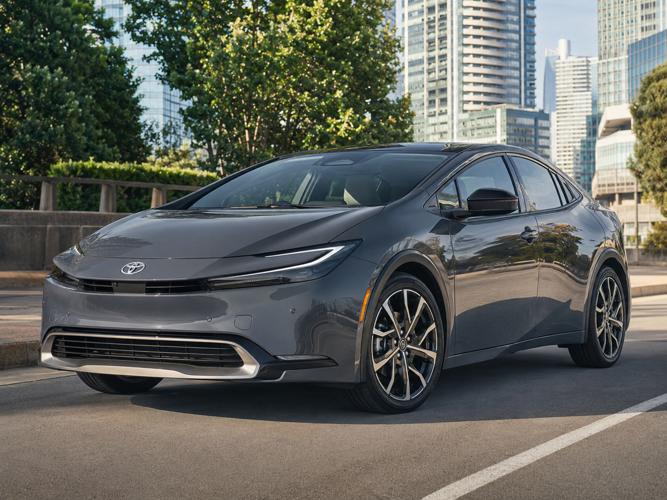
Toyota Prius: Best for Maximum Fuel Savings

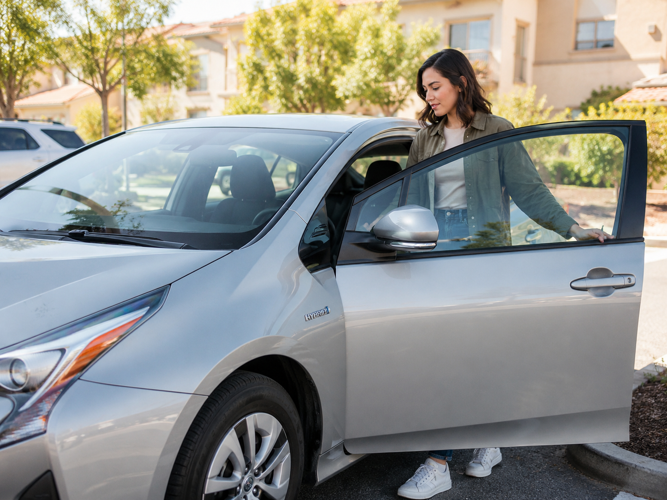
The Toyota Prius is no longer just the sensible car people buy only for mileage. The current Prius has a sharper design, stronger performance, and a more attractive presence than earlier generations.
Toyota’s current Prius page lists the Prius LE from about $28,755, with an EPA-estimated 57 combined mpg rating on the LE trim. Toyota also lists 23.8 cubic feet of cargo capacity behind the rear seats on the LE trim and available Electronic On-Demand All-Wheel Drive.
Because Toyota’s current official Prius page has moved to the next model year, this section is best kept evergreen as “Toyota Prius” rather than tied too tightly to one model year. That also helps this refreshed article avoid the same dating problem as the old 2016 version.
Approximate starting price: About $29,000 before destination, taxes, fees, options, and dealer adjustments.
Best for: Drivers who want serious fuel savings with a more modern design.
Why it works: It offers standout efficiency, useful hatchback cargo space, and more style than many people expect from a hybrid.
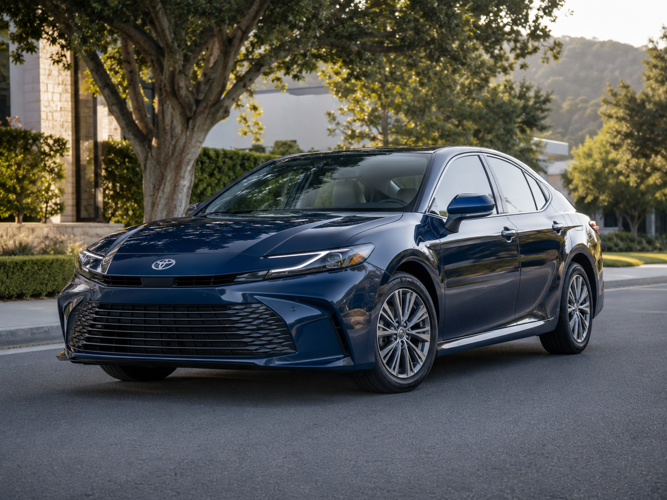
Toyota Camry: Best Midsize Hybrid for New Drivers Who Need More Room

The Toyota Camry is now an especially relevant option because the current Camry uses an all-hybrid powertrain. That makes it useful for new drivers who need more space than a compact sedan provides but still want strong fuel economy.
Toyota lists the 2026 Camry from about $29,600, with up to an estimated 51 combined mpg rating. Toyota also lists available Electronic On-Demand All-Wheel Drive and up to 232 net combined horsepower.
A Camry may be more car than some beginners need, but it can make sense for families buying a shared vehicle, drivers with longer highway commutes, or anyone who regularly carries passengers. It is comfortable, familiar, and efficient without feeling experimental.
Approximate starting price: About $29,600 before destination, taxes, fees, options, and dealer adjustments.
Best for: New drivers who need more space or families buying a practical shared car.
Why it works: It combines midsize comfort, hybrid efficiency, and a familiar driving experience.
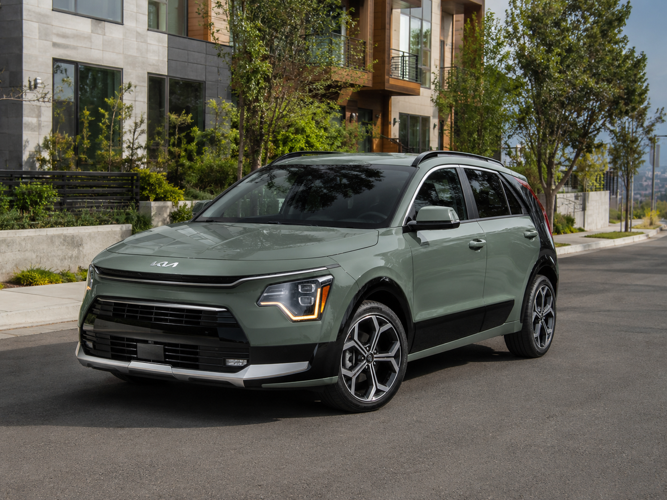
Kia Niro Hybrid: Best Small Crossover Hybrid

Not every new driver wants a sedan. Some prefer the flexibility of a small crossover, especially if they carry sports gear, school supplies, groceries, pets, or weekend bags. The Kia Niro Hybrid is one of the most efficient ways to get that extra practicality.
Kia lists the 2026 Niro Hybrid from about $27,390. Kia also says the LX, EX, and SX trims are rated at an EPA-estimated 53 mpg combined, while the SX Touring is rated at an EPA-estimated 49 mpg combined.
The Niro Hybrid is compact enough for urban driving but more flexible than many small sedans. It also avoids the charging question that comes with a full EV, making it a strong option for drivers who want fuel savings without installing a charger.
Approximate starting price: About $27,400 before destination, taxes, fees, options, and dealer adjustments.
Best for: New drivers who want small-crossover practicality with hybrid fuel economy.
Why it works: It is efficient, compact, flexible, and easier to live with than a larger SUV.
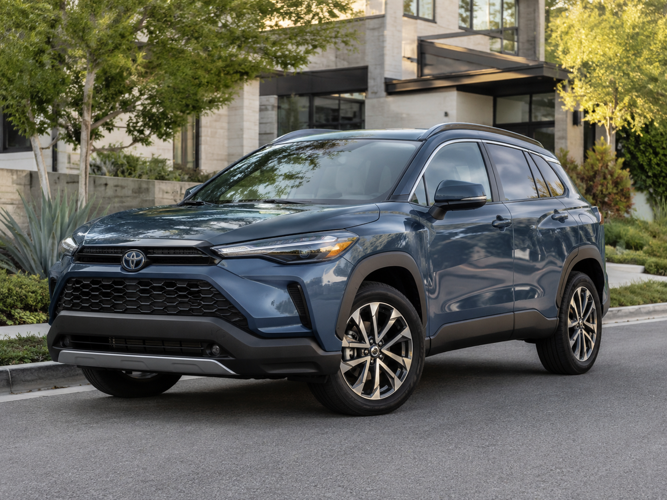
Toyota Corolla Cross Hybrid: Best Compact Hybrid SUV for Everyday Confidence

The Toyota Corolla Cross Hybrid is a good fit for drivers who like the Corolla’s practical personality but want a crossover shape and a slightly higher seating position.
Toyota says the 2026 Corolla Cross Hybrid is offered in S, SE, and XSE grades, all with standard Electronic On-Demand AWD. Toyota also lists a starting MSRP of about $28,995 for hybrid models. Hybrid fuel-economy estimates should be checked against the latest Toyota and EPA listings for the exact trim before purchase.
The added height may help some drivers feel more comfortable, but it should not be treated as a safety shortcut. What matters more is whether the driver can see clearly, park confidently, manage the vehicle’s size, and confirm crash-test performance and safety equipment for the exact model year and trim.
Approximate starting price: About $29,000 before destination, taxes, fees, options, and dealer adjustments.
Best for: New drivers who want a small SUV shape with hybrid efficiency.
Why it works: It offers crossover practicality, standard hybrid AWD, and a manageable size.
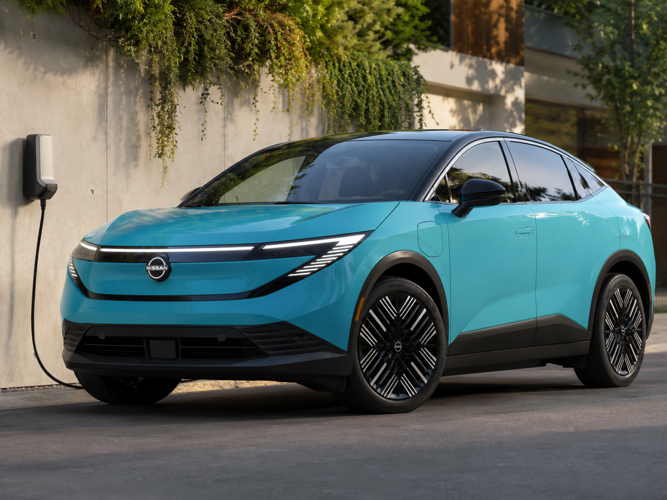
Nissan LEAF: Best Approachable Electric Car for New Drivers

The Nissan LEAF deserves a careful update because the current model is very different from the older LEAF many readers may remember. The all-new 2026 Nissan LEAF is now positioned as an electric subcompact SUV, and Nissan lists S+, SV+, and Platinum+ trims.
Nissan lists the 2026 LEAF S+ at a starting MSRP of about $29,990, with SV+ at about $34,230 and Platinum+ at about $38,990. Nissan also lists the LEAF S+ with up to 303 miles of EPA-estimated range per charge and a 75-kWh battery.
For a new driver, the LEAF makes the most sense when charging is easy. If the driver can charge at home, at school, at work, or at a reliable public charger nearby, it can be an appealing first EV. If charging is inconvenient, a traditional hybrid may still be the calmer choice.
Approximate starting price: About $30,000 before destination, taxes, fees, options, and dealer adjustments.
Best for: New drivers who want an EV and have reliable charging access.
Why it works: It offers useful range, approachable pricing for an EV, and a smaller footprint than many electric crossovers.
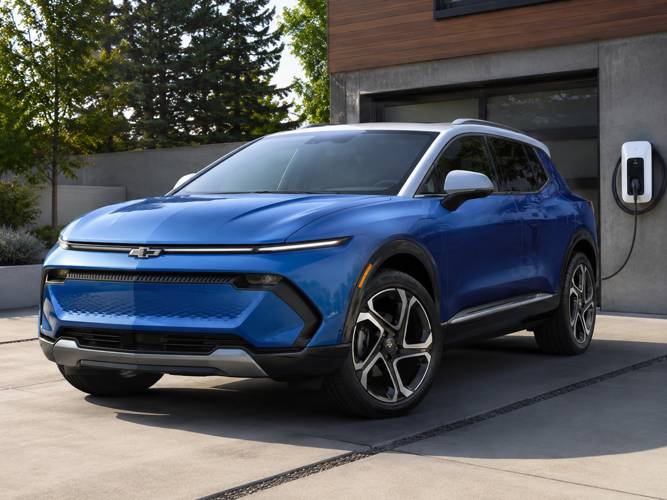
Chevrolet Equinox EV: Best Electric Crossover for Everyday Space

The Chevrolet Equinox EV is a strong option for new drivers who want a full EV but need more room than a compact hatchback provides.
Chevrolet lists the 2026 Equinox EV from about $34,995, with an EPA-estimated 319 miles of range on front-wheel-drive models and 307 miles with available all-wheel drive. Chevrolet also lists 57.2 cubic feet of maximum cargo volume and more than 20 standard safety and driver-assistance features.
The Equinox EV feels more like a mainstream compact crossover that happens to be electric, which may appeal to families who want space and electric driving without moving into a luxury price range. The key question is still charging. For households with home charging, it can be a practical long-term choice. Without dependable charging, a hybrid may be easier to own.
Approximate starting price: About $35,000 before destination, taxes, fees, options, and dealer adjustments.
Best for: New drivers who want an electric crossover with useful range and cargo space.
Why it works: It combines EV efficiency, crossover practicality, and a familiar family-car format.
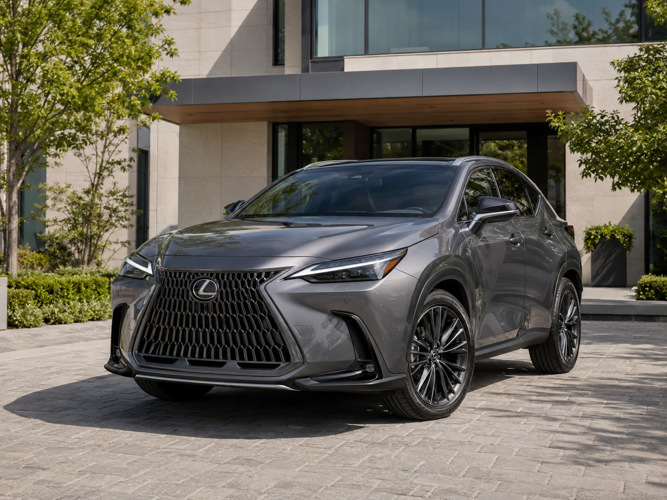
Lexus NX Hybrid: Best Premium Hybrid Option

For FINE readers looking for a more refined first car or a shared family vehicle, the Lexus NX Hybrid is worth considering. It brings a quieter cabin, premium materials, and a more polished driving experience while still offering hybrid efficiency.
Lexus lists the NX Hybrid with a 39 combined mpg estimate on AWD models and Lexus Safety System+ 3.0 as standard. Current Lexus pricing places the NX Hybrid around $50,000 before taxes, fees, options, and dealer adjustments, depending on trim and configuration.
This is not the budget choice, and it may not be the right first car for every teenage driver. But for a young professional, a family-shared vehicle, or a buyer who wants comfort and long-term refinement, the NX Hybrid can make sense.
Approximate starting price: Around $50,000 before destination, taxes, fees, options, and dealer adjustments.
Best for: New drivers or families who want a premium compact SUV with hybrid efficiency.
Why it works: It offers luxury comfort, smooth hybrid driving, and strong everyday usability.
Should Families Consider a Used Hybrid?

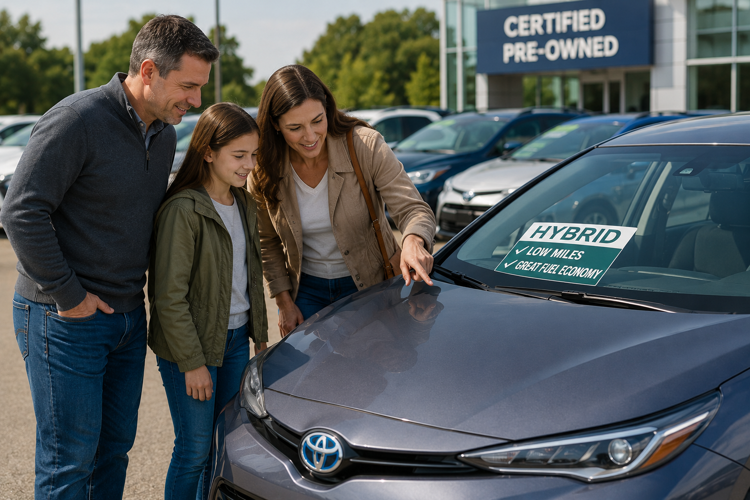
Yes. A used or certified pre-owned hybrid can be a smart choice for many families buying a first car, especially when a new EV or premium crossover feels too expensive.
A reliable used hybrid can offer strong fuel economy at a lower purchase price, and certified pre-owned programs may add warranty coverage. That said, used hybrids should be inspected carefully. Buyers should check maintenance history, battery warranty coverage, accident history, tire condition, brake condition, recalls, and whether the vehicle has been serviced properly.
For families shopping on a tighter budget, used versions of models like the Toyota Corolla Hybrid, Toyota Prius, Toyota Camry Hybrid, Honda Accord Hybrid, or Kia Niro Hybrid may be worth comparing against new vehicles. The best used choice is not simply the cheapest one. It is the one with the cleanest history, safest equipment, reasonable insurance costs, and the fewest expensive surprises.
Before buying used, check the VIN through NHTSA’s recall tool, review a vehicle history report, and have the car inspected by a trusted mechanic or dealership service department.
Hybrid, Plug-In Hybrid, or Electric: Which Is Better for a New Driver?

For many new drivers, a regular hybrid is the easiest ownership option because charging is not required. It behaves much like a gasoline car, but the hybrid system helps improve fuel economy, especially in stop-and-go driving. That does not automatically make it the safest choice. Safety depends on the individual vehicle’s crash-test results, structure, tires, visibility, driver-assistance equipment, and how well the driver handles the car.
A plug-in hybrid can be a great option if the driver has reliable charging and mostly takes short daily trips. It can reduce gas use dramatically when plugged in regularly, but it does not make as much sense if the owner never charges it.
A full electric car can be excellent for a new driver with predictable mileage and easy access to charging. EVs are quiet, smooth, and can be inexpensive to run compared with gasoline vehicles. But they require more planning around charging speed, charging location, road trips, weather, range, apartment parking, and public-charging reliability.
The clean-vehicle incentive picture also needs careful wording. The IRS states that the New Clean Vehicle Credit, Previously-Owned Clean Vehicle Credit, and Qualified Commercial Clean Vehicle Credit are not available for vehicles acquired after September 30, 2025. Buyers should check the current IRS page, state programs, local utility incentives, manufacturer offers, and dealer incentives before assuming any discount applies.
Safety Should Come Before Range or Fuel Economy

Fuel savings are valuable, but safety should come first for any new driver.
Before choosing a hybrid or electric car, check crash-test results and recall information for the exact model year and trim. Safety ratings can lag behind new model launches, and a redesigned vehicle may not have the same rating as the previous version. NHTSA publishes 5-Star Safety Ratings, while IIHS publishes vehicle ratings and Top Safety Pick awards.
Helpful safety features for new drivers include:
- Automatic emergency braking
- Forward collision warning
- Blind-spot monitoring
- Rear cross-traffic alert
- Lane-keeping assistance
- Adaptive cruise control
- Good headlight performance
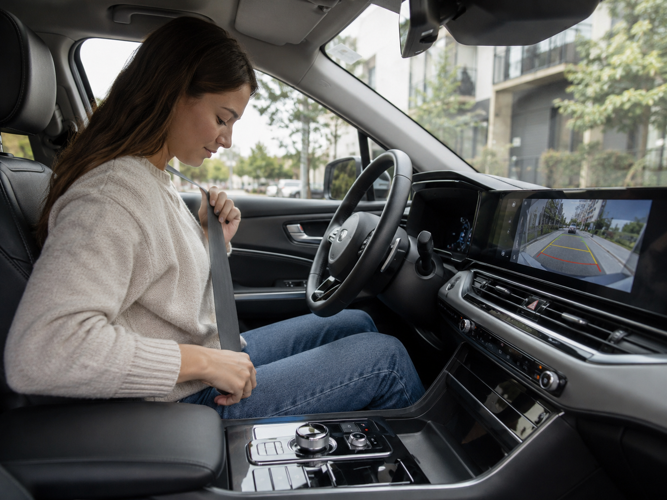
- Clear backup camera
- Parking sensors
- Simple controls that do not distract from driving
Driver-assistance features do not replace attention, training, or good judgment. They are support systems, not permission to stop paying attention. For a new driver, the safest choice is still a manageable vehicle, good instruction, smart habits, and a car with verified crash-test performance.
It is also smart to prepare the vehicle properly after purchase. FINE’s guide to must-haves in your car if you are a beginner is a useful reminder that good ownership is not only about choosing the right model. It is also about being ready once the keys are in your hand.
The FINE Take
The best hybrid or electric car for a new driver is not always the most futuristic one. It is the one that fits the driver’s life without adding stress.
For many first-time drivers, the Toyota Corolla Hybrid, Honda Civic Hybrid, Toyota Prius, Toyota Camry, Kia Niro Hybrid, and Toyota Corolla Cross Hybrid are easy to recommend because they offer strong efficiency without requiring a charging routine. For drivers who can charge consistently, the Nissan LEAF and Chevrolet Equinox EV make electric driving more practical than it used to be. For buyers who want something more refined, the Lexus NX Hybrid brings efficiency into a more premium package.
The right choice depends on routine, budget, insurance, safety ratings, and charging access. If charging is inconvenient, a traditional hybrid may be the better fit. If daily driving is predictable and charging is easy, an EV can be a smart move. Either way, the goal is not just to save fuel. It is to choose a car that helps a new driver build confidence, stay safe, and enjoy the road one calm, efficient mile at a time.
(0) comments
We welcome your comments
Log In
Post a comment as Guest
Keep it Clean. Please avoid obscene, vulgar, lewd, racist or sexually-oriented language.
PLEASE TURN OFF YOUR CAPS LOCK.
Don't Threaten. Threats of harming another person will not be tolerated.
Be Truthful. Don't knowingly lie about anyone or anything.
Be Nice. No racism, sexism or any sort of -ism that is degrading to another person.
Be Proactive. Use the 'Report' link on each comment to let us know of abusive posts.
Share with Us. We'd love to hear eyewitness accounts, the history behind an article.