
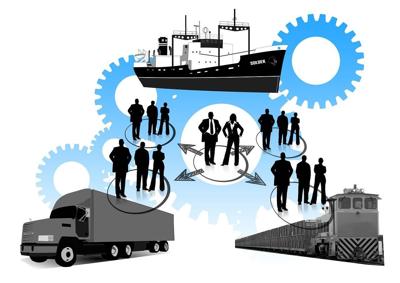

In today's world, where everything is connected and moves quickly, transporting goods is very important for the global economy. From getting the materials to making the products and delivering them to your door, how we transport goods has changed a lot.
This article explores the complex world of the goods transportation industry. It discusses six specific points that highlight the advancements and challenges in this field. The points are well-researched and will surely provide you with some valuable insights.
Intermodal Transport
One important feature of modern goods transportation is the idea of intermodalism. This method ensures that items move smoothly between trucks, trains, ships, and planes. It helps find the best routes, reduces delays, and lessens environmental harm. Intermodal transport is a crucial part of a smooth and connected supply chain.
In this diverse world of transportation, goods can easily move between different types of transportation thanks to standardized containerization. Using the advantages of each type of transportation reduces problems and improves the overall effectiveness of moving goods.
Technological Integration
There has been a big improvement in technology for transporting goods. Modern technologies like GPS tracking, the Internet of Things (IoT), and advanced route optimization software have brought about a new time of effectiveness in transport freight services. These new technologies help keep an eye on shipments in real-time.
GPS tracking systems have changed a lot over time. They used to be basic and only showed where something was. Now, they are more complex and can give information in real-time. This includes how fast a vehicle goes, where it is, and even the temperature inside a refrigerated container.
Environmentally-friendly Actions
With increasing worries about the environment, how we transport goods is changing to become more sustainable. The business is seeing the rise of electric and hybrid trucks, cargo ships powered by liquefied natural gas (LNG), and the investigation of other fuels like hydrogen.
Currently, cargo ships that run on LNG are starting their journeys as a more environmentally friendly option than regular heavy fuel oil. These efforts show a stronger dedication to reducing the environmental impact of transporting goods and creating a more sustainable future for the industry.
Regulatory Challenges
While moving forward, the industry that transports goods is dealing with a complicated set of rules. These rules cover many things, like how much pollution can be released and how safe things must be. They also include how workers should be treated and how countries trade.
Understanding and following regulations can be complicated. Being careful and thorough is important because not following the rules can result in big fines and problems getting supplies. Companies must spend money on legal knowledge and strategies to follow the rules when doing business in different countries. This will help them run smoothly.
Cybersecurity Concerns
As the transportation of goods relies more on digital systems and connectivity, there is a growing concern about cyber attacks. Keeping important supply chain information and infrastructure safe from cyber-attacks is important.
Cybersecurity measures go beyond regular IT practices, including the security of IoT devices, cloud-based systems, and interconnected networks supporting goods transportation. If these systems are breached, it could result in stealing data, causing problems with operations, and even putting people's safety at risk in the real world. This shows how important it is to have strong cybersecurity plans.
Resilience and Supply Chain Disruptions
In the past, some big things happened around the world, like the COVID-19 pandemic. This made people pay attention to something called supply chain resilience. Companies are reviewing how they manage their supply chains. They are focusing more on reducing risks and making sure they have different options for suppliers and transportation routes.
The pandemic showed that supply chains have weaknesses, which caused a lack of important items and problems with making and delivering things. Companies are creating flexible supply chain models that can quickly adapt to unexpected challenges. This helps them respond quickly without disrupting the smooth movement of goods.
In summary, how we transport goods nowadays has greatly improved efficiency, sustainability, and technology. From the clever idea of putting things in containers to the first attempts at delivering things to our doorsteps, this industry is very important in shaping our everyday lives and the world economy.
The main goal of the goods transportation industry is to handle challenges and find ways to be more efficient and sustainable. This industry plays a big role in shaping the world's economy.

(0) comments
We welcome your comments
Log In
Post a comment as Guest
Keep it Clean. Please avoid obscene, vulgar, lewd, racist or sexually-oriented language.
PLEASE TURN OFF YOUR CAPS LOCK.
Don't Threaten. Threats of harming another person will not be tolerated.
Be Truthful. Don't knowingly lie about anyone or anything.
Be Nice. No racism, sexism or any sort of -ism that is degrading to another person.
Be Proactive. Use the 'Report' link on each comment to let us know of abusive posts.
Share with Us. We'd love to hear eyewitness accounts, the history behind an article.