
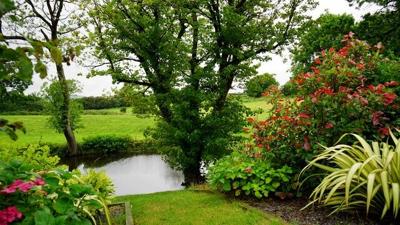

Real estate is a limited and finite resource that's essential to all humankind. This is why this industry is highly coveted among many investors—one of the most sought-after resources in real estate island. Land in itself is one of the best investments that any investor can make. It does not depreciate. Instead, it increases in value over time, and it isn't affected by significant fluctuations in the economy. However, there is a big problem when owning a couple of acres of land alongside a few other investors: improving and developing that particular piece of land.
About 4 million square kilometers of land is undeveloped in the United States. This is equivalent to about 47% of the overall continent. If you invested in a piece of land, chances are, it is in one of these undeveloped locations in the country. As an investor, it is your job to improve the land you own. But it's never an easy task, especially if you're not a real estate expert. Here are some essential things you need to know when developing the land you own.
Land-Use Conflicts
One of the essential things you should know alongside your fellow investors is that owning a piece of land is a big responsibility. You shouldn't just develop it into anything you want because that would lead to land-use conflict. Land-use conflicts are a result of conflicting issues with land-use policies in a particular area. Take Hong Kong, for example. The country's main problem is that many of its inhabitants build residential homes in various industrial zones. This is the cause of both poor city planning and the high population density that the city has.
Poor development foresight can lead to a land-use conflict that can affect the general health of the land you are planning to develop. This can lead to fewer clients in the future and potential legal issues for you and your partners. A good land developer can help you identify which piece of land is vulnerable to land-use conflicts. They can recommend solutions for maximizing that particular piece of land and avoiding future complications. Land-use wars can undoubtedly spell trouble for you and your partners, and if you don't do anything about it right now, it will cost you millions of dollars in the future. Properly improving these pieces of land can help you avoid land-use conflict problems.
Improved Land
Improved land is the conversion of an undeveloped piece of land into something that people can build upon. It's generally making "unimproved" pieces of land ready for construction, and this is your primary goal as owner of any portion of land. It usually starts with excavation.
Excavation
Not many people can build on top of undeveloped and unimproved lands. The main problem is that the soil on top of the land isn't stable enough. Another problem is that there can be environmental blockages along the way, such as trees. Excavation is the process of converting a piece of land suitable for construction. This means cutting down trees within the area, removing unstable soil, and replacing it with a more stable platform. The process of excavation may include you investing in ways to make the land more stable. This can be a hefty proposition because this means that you'll be bringing truckloads of usable dirt or cement into the ground. If you have found that your land requires you to do this, consider the excavation costs first because it might be better to sell it if the fees are too high.
Zoning
After excavation, it's time to zone the land you own. Zoning is separating pieces of land depending on their purpose. Discuss it with your real estate agent and fellow investors to determine whether your land should be a residential, industrial, or commercial zone. In most cases, you're not going to have enough space for all of these zones. If your land only one zone, then that's the primary purpose that your land will have.
Developing Properties
The final process of improving your land is developing various properties within it. If you sell your land after improving it, then you no longer have to worry about this process. However, if you decide to keep it, you get to choose what kind of properties you want to develop depending on the zone of the property you own. Properties can drastically increase the land's commercial value, but they can lessen the number of potential buyers.
Land improvement is an essential process if you're planning to sell your land. Making it construction-ready can cost a lot of money, so consider the costs before you go on and improve your land. It might be better for you to sell it to developers and let them handle it in some cases.


(0) comments
We welcome your comments
Log In
Post a comment as Guest
Keep it Clean. Please avoid obscene, vulgar, lewd, racist or sexually-oriented language.
PLEASE TURN OFF YOUR CAPS LOCK.
Don't Threaten. Threats of harming another person will not be tolerated.
Be Truthful. Don't knowingly lie about anyone or anything.
Be Nice. No racism, sexism or any sort of -ism that is degrading to another person.
Be Proactive. Use the 'Report' link on each comment to let us know of abusive posts.
Share with Us. We'd love to hear eyewitness accounts, the history behind an article.