
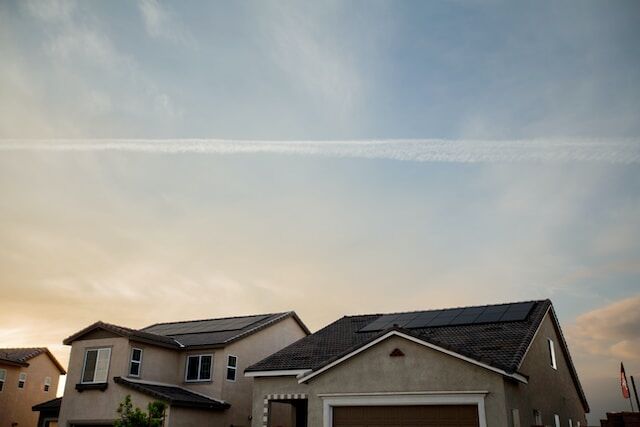
A roof is more than just a top cover for a building; it’s a vital component, acting as the first line of defense against environmental elements. Despite its importance, it is often overlooked, with its maintenance put on the back burner. As homeowners, we tend to take the roof over our heads for granted, only paying attention when a problem, such as a leak or severe damage, arises. Regular inspections, however, can be a game-changer.
These routine checks not only help detect minor issues before they escalate into costly repairs but also significantly extend the lifespan of your roof. In this article, we will delve deeper into the importance of regular roof inspections, shedding light on how this preventative measure can ultimately save you time, stress, and money in the long run.
The Essentials of Roof Inspections
Roof inspections involve a comprehensive assessment of all the components of your roof - the shingles, flashing, gutters, downspouts, soffit, and fascia. Professional inspectors examine these elements for signs of wear and tear, damage, or potential vulnerabilities. They look for missing or curling shingles, cracked caulking, rust spots on flashing, or any granules in the gutter, as a few examples. Regular inspections are a proactive approach to roof maintenance, ensuring small problems are addressed promptly, thus enhancing the durability and performance of the roof.
By scheduling regular inspections, you are making a wise investment in the longevity of your roof and the overall value of your home. Namely, whether you need roofing services in Apollo Beach, or you need professionals in a different area, regular inspections will help you stay on top of your roof’s condition, preventing significant issues from developing, and ultimately saving you thousands of dollars. When performed by a licensed and experienced roofing contractor, these inspections can effectively detect any potential issues that may compromise the integrity of your roof.
Moreover, reputable contractors provide comprehensive reports that outline their findings, including recommendations for necessary repairs or replacements. This valuable information not only allows you to assess the health of your roof but also helps you plan for future maintenance or improvements with confidence.
When to Schedule Inspections
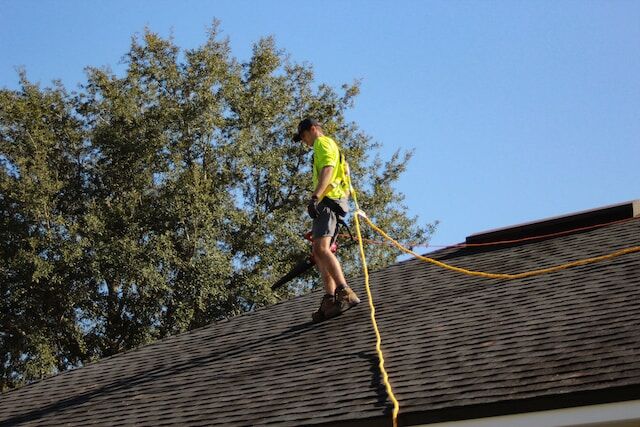
The frequency of inspections depends on several factors, such as the age of your roof, location, and weather conditions. As a general rule of thumb, it is recommended to have your roof inspected at least twice a year - in the spring and fall. These seasons often bring significant changes in temperature and precipitation that can affect the condition of your roof. Additionally, it is advisable to schedule an inspection after any major weather event, such as a severe storm or heavy snowfall. In these cases, structural damage may occur that is not immediately visible to the untrained eye. By having an inspection done promptly, you can prevent further damage and ensure your roof remains in top shape.
In case you are planning any renovations or additions to your home, it is also recommended to schedule a roof inspection beforehand. This will help identify any potential issues that may arise due to the construction work and allow for necessary repairs or reinforcements to be made.
The Benefits of Regular Inspections
Regular roof inspections offer a multitude of advantages, providing both financial savings and peace of mind. By promptly identifying and resolving issues, you can prevent costly repairs or premature roof replacements. These inspections also safeguard the structural integrity of your home, shielding it from potential water damage that may result in mold growth or other health hazards.
Moreover, regular roof inspections can also be beneficial for insurance purposes. Some insurance companies require proof of routine maintenance in order to provide coverage, and regular inspections can serve as evidence of your commitment to maintaining your home.
Knowing When to Replace Your Roof
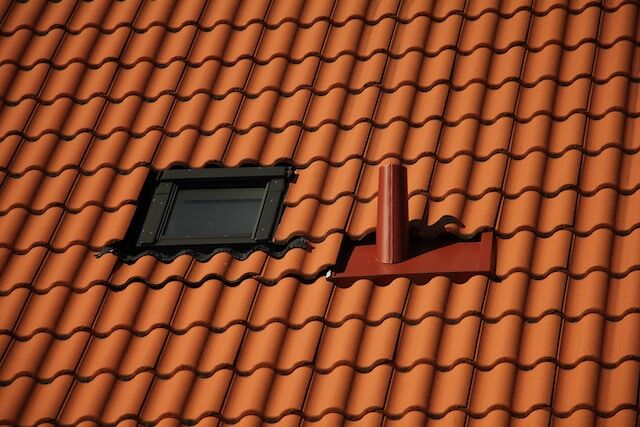
Despite regular maintenance and inspections, there will come a time when your roof needs to be replaced. While each roof has its unique lifespan, the average is around 20-25 years for shingle roofs and up to 50 years for metal roofing. If you notice significant issues during an inspection or experience frequent leaks despite repairs, it may be time to consider a replacement. It is always best to consult with a professional roofing contractor for an accurate assessment and recommendation.
Even more so than regular inspections, investing in a high-quality roof replacement can significantly prolong the life of your roof. There are various materials and styles available in the market, each with its unique advantages and lifespan. By carefully choosing a durable option and having it installed by reputable contractors, you can maximize the performance and longevity of your roof.
Choosing the Right Contractor for Your Roof Inspections and Maintenance
The key to efficient roof inspections and maintenance lies in choosing the right contractor. A reputable roofing contractor will not only conduct thorough inspections but also provide you with an honest and detailed report of their findings. These professionals have the experience and knowledge to spot minor issues that untrained eyes might miss. Furthermore, they can offer valuable advice on necessary repairs or replacements, helping you avoid costly future damages. When choosing a contractor, it is important to carefully assess their licensing, experience, customer reviews, and warranty options. A reputable professional will prioritize your needs and satisfaction, ensuring that your roof remains in excellent condition for an extended period of time.
The Role of Technology in Roof Inspections
In recent years, advancements in technology have revolutionized the approach to roof inspections, making them more efficient and accurate. Drones, for instance, are now commonly used by roofing contractors for inspections. These unmanned aerial vehicles provide a bird's eye view of the roof, enabling inspectors to assess the condition without physically climbing onto the roof. This not only enhances safety but also allows for a more comprehensive assessment as drones can easily reach spots that might be challenging or risky for inspectors. These cutting-edge devices are equipped with high-resolution cameras that capture intricate images and videos, facilitating meticulous inspections.
In addition, the utilization of infrared technology in roof inspections is on the rise. This innovative tool can effectively detect temperature variations on the roof surface, aiding in the identification of areas prone to heat loss or moisture accumulation. Such findings can indicate potential issues and enable timely interventions.
Regular roof inspections are a crucial aspect of home maintenance, acting as a preventative measure that can save homeowners significant time, stress, and money in the long run. By identifying and addressing minor issues promptly, these inspections can prolong the life of your roof, enhance its performance, and maintain the overall structural integrity of your home. Advances in technology, like the use of drones and infrared imaging, have improved the efficiency and accuracy of these inspections, making them an even more valuable investment. Remember, the key to effective inspections and maintenance is working with a reputable roofing contractor, who can provide thorough assessments and reliable advice. Ultimately, taking care of your roof means taking care of your home, ensuring it remains safe and secure for many years to come.
(0) comments
We welcome your comments
Log In
Post a comment as Guest
Keep it Clean. Please avoid obscene, vulgar, lewd, racist or sexually-oriented language.
PLEASE TURN OFF YOUR CAPS LOCK.
Don't Threaten. Threats of harming another person will not be tolerated.
Be Truthful. Don't knowingly lie about anyone or anything.
Be Nice. No racism, sexism or any sort of -ism that is degrading to another person.
Be Proactive. Use the 'Report' link on each comment to let us know of abusive posts.
Share with Us. We'd love to hear eyewitness accounts, the history behind an article.