

A small water leak rarely looks like an emergency at first. A faint stain beneath a kitchen sink, a slow drip behind a washing machine, or moisture around a bathroom fixture can seem easy to overlook. Yet these seemingly minor problems can gradually damage flooring, cabinetry, drywall, insulation, and even structural components. By the time visible damage appears, the original source may have been leaking for weeks or months.
For homeowners, protecting a property from water damage is less about reacting to plumbing emergencies and more about recognizing vulnerabilities before they become expensive repairs. Regular inspections, well-maintained appliances, reliable drainage, and modern leak detection technology can make a meaningful difference. Understanding how to prevent water damage in your home also helps preserve its comfort, appearance, and long-term value.
Know Where Water Damage Usually Starts
Water damage often begins in places that receive little attention during everyday cleaning. Bathrooms are particularly vulnerable because showers, bathtubs, toilets, and sinks rely on seals, grout, supply lines, and drainage connections that gradually wear down. Discolored grout, loose tiles, peeling paint, persistent musty odors, or soft flooring can indicate moisture escaping beyond the visible surface. In kitchens, connections beneath sinks, dishwasher hoses, refrigerator water lines, and garbage disposals deserve regular attention.
Laundry rooms, basements, and utility areas present different concerns. Washing machine hoses can deteriorate or loosen, while water heaters may develop corrosion, leaking connections, or signs of internal wear. Basements can experience seepage through foundation walls, particularly when exterior drainage is inadequate. Homeowners should also inspect ceilings beneath bathrooms and plumbing fixtures, along with cabinets surrounding water-using appliances. Recognizing these common trouble spots makes it easier to identify warning signs before moisture spreads.
Inspect Plumbing and Appliances Regularly
A consistent plumbing inspection is one of the most effective ways to reduce the risk of household water damage. Look beneath sinks, around toilets, behind accessible appliances, and along exposed pipes for dripping water, mineral deposits, rust, corrosion, or unusual dampness. Pay attention to changes in water pressure, slow drains, running toilets, and unexplained increases in water bills. Even when a leak is not immediately visible, these changes can suggest an underlying plumbing issue. Homeowners can also check their water meter when all fixtures and appliances are switched off to identify unexpected water movement.
Appliances deserve equal attention because their connections are often overlooked until something fails. Inspect washing machine hoses for bulges, cracks, and worn fittings, and replace aging hoses according to manufacturer recommendations. Check refrigerator water supply lines, dishwasher connections, and the area surrounding the water heater for moisture or corrosion.
For additional protection, consider installing a GoveeLife Water Leak Detector 1s near vulnerable appliances or beneath sinks. This compact sensor system uses dual detection probes to identify unwanted moisture and provides a customizable alarm of up to 105 dB. When paired with its Wi-Fi gateway, it can also send app and email notifications, helping homeowners respond to potential leaks even when away. Its additional sensors can be positioned in multiple vulnerable areas, including laundry rooms, basements, and beneath refrigerators.
For additional guidance, read FINE Magazine's article on when to call a plumber for leak detection in your home.
Use Smart Leak Detectors and Automatic Shutoff Valves
Modern technology has made home water damage prevention considerably more proactive. Point-of-use leak detectors identify moisture around specific fixtures and appliances, providing an early warning when water appears where it should not. These localized sensors are useful for monitoring individual problem areas, but they generally do not control the home's main water supply.
Whole-home monitoring systems take protection further by tracking water movement through the main supply line. They can identify unusual consumption patterns, alert homeowners to possible leaks, and, depending on the system, automatically stop the water supply.
One example is the Moen Flo Smart Water Monitor and Shutoff. Installed along the home's main water supply, it monitors water flow, pressure, and usage patterns through a connected app. Its technology can identify unusual water activity, conduct daily microleak tests, and automatically shut off the supply when it detects certain potential problems.
This type of system can be particularly useful for larger properties, vacation homes, and residences that remain unoccupied for extended periods. Professional installation by a licensed plumber is recommended, and homeowners should check pipe compatibility and Wi-Fi requirements before purchasing. Importantly, whole-home plumbing monitors cannot independently prevent every type of flooding, including water entering through a damaged roof or external drainage failure.
Maintain Your Roof, Gutters, and Exterior Drainage

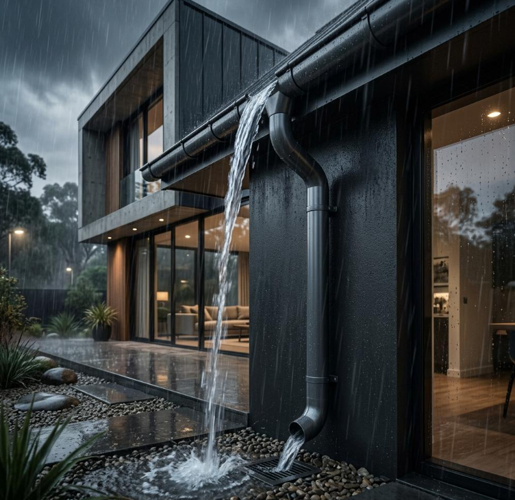
Water does not always enter a home through plumbing. Damaged roofing materials, deteriorated flashing, blocked gutters, and poorly positioned downspouts can allow rainwater to reach ceilings, exterior walls, and foundations. Inspect the roof periodically for missing shingles, damaged flashing, cracked seals, and other visible deterioration. Pay particular attention to chimneys, skylights, and roof penetrations where water can find its way inside.
Exterior drainage is equally important. Gutters should direct rainwater toward downspouts that discharge safely away from the foundation. Check that the ground slopes away from the property and that water does not repeatedly collect beside exterior walls. Keep drainage outlets clear and investigate recurring pooling. FINE Magazine's guide to seven roof warning signs homeowners should never ignore offers further insight into recognizing roofing problems before they lead to interior water damage.
Control Moisture and Indoor Humidity
Not every moisture problem begins with a plumbing leak. Everyday activities such as showering, cooking, and drying clothes release water vapor into indoor spaces. Without adequate ventilation, this moisture can settle on windows, ceilings, walls, and other cooler surfaces. Over time, persistent condensation can contribute to mold growth, damaged finishes, and unpleasant indoor odors. Bathroom exhaust fans should be used during showers and left running afterward long enough to remove excess moisture. Kitchen exhaust systems should also vent outdoors where possible, while laundry rooms need adequate ventilation.
Monitoring indoor humidity can help homeowners maintain a more comfortable environment. The U.S. Environmental Protection Agency recommends keeping indoor relative humidity below 60 percent, ideally between 30 and 50 percent. Its guidance on moisture control and indoor air quality provides further information about maintaining healthy humidity levels.
A ThermoPro TP50 Digital Indoor Hygrometer and Thermometer provides temperature and humidity readings, along with daily high and low records. Its compact display makes it convenient for living rooms, bedrooms, and other areas where homeowners want to monitor changing conditions. If humidity regularly climbs above the recommended range, consider improving ventilation, using a dehumidifier, or investigating the source of excess moisture. The EPA's guide to mold, moisture, and your home provides additional advice.
A Home Water Damage Prevention Checklist
Protecting a home becomes easier when maintenance is organized into manageable intervals. A simple schedule helps homeowners notice changes before they develop into larger problems.
Monthly Maintenance
- Check beneath kitchen and bathroom sinks for leaks or dampness.
- Inspect toilets, faucets, and visible plumbing connections.
- Look around washing machines, dishwashers, and refrigerators for moisture.
- Check water heater connections and the surrounding floor.
- Review water bills for unusual increases.
- Test smart leak detectors and check their battery levels.
Seasonal Maintenance
- Inspect washing machine hoses and accessible appliance connections.
- Examine roof surfaces and visible exterior seals for damage.
- Clear gutters and check downspouts and exterior drainage.
- Look for foundation seepage or standing water around the property.
- Check bathroom ventilation and monitor indoor humidity.
- Inspect basement walls, ceilings, and storage areas for moisture.
Annual Maintenance
- Arrange a professional plumbing inspection when appropriate.
- Have an aging water heater evaluated and serviced according to manufacturer recommendations.
- Review the condition of older pipes, shutoff valves, and supply connections.
- Test whole-home leak detection and automatic shutoff systems.
- Review the roof and drainage condition with a qualified professional.
- Confirm that everyone in the household knows where the main water shutoff valve is located.
What to Do Immediately If You Discover Water Damage
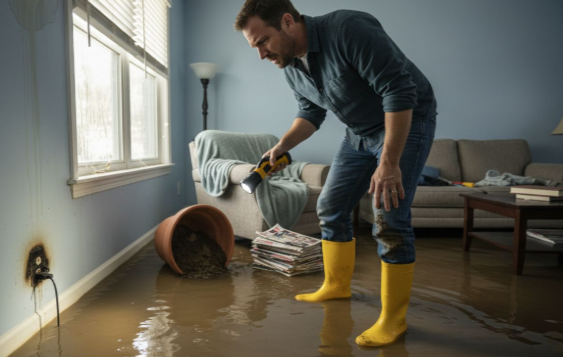
Discovering water where it should not be can be stressful, but taking the right steps immediately can help limit the damage. First, identify the source if it is safe to do so and shut off the relevant fixture or appliance. If the leak continues or its source is unclear, use the main water shutoff valve when accessible. Never enter standing water near electrical outlets, appliances, or wiring. If electrical hazards are suspected, keep away and contact emergency services or a qualified electrician.
Once the immediate situation is under control, photograph and document visible damage before removing affected materials or beginning repairs. Contact your insurer promptly to understand your policy's reporting and documentation requirements. A qualified plumber can locate and repair the source, while a reputable water mitigation professional can assess affected materials, remove standing water, and manage appropriate drying.
Wet materials should be dried as quickly as possible. The EPA advises that drying wet or damp areas within 24 to 48 hours can help prevent mold growth in many circumstances. Its guide to mold, moisture, and your home explains why prompt moisture control is essential. Avoid covering stains with fresh paint or replacing damaged flooring until the underlying moisture problem has been properly addressed.
The FINE Take
A well-maintained home is not simply one that looks beautiful. It is one in which essential systems work reliably, hidden problems are addressed promptly, and everyday maintenance protects the investment behind the walls and beneath the floors. By combining regular inspections with sensible upgrades and quick responses to warning signs, homeowners can significantly reduce the risk of water damage. A little attention today can help preserve the comfort, character, and value of a home for years to come


(0) comments
We welcome your comments
Log In
Post a comment as Guest
Keep it Clean. Please avoid obscene, vulgar, lewd, racist or sexually-oriented language.
PLEASE TURN OFF YOUR CAPS LOCK.
Don't Threaten. Threats of harming another person will not be tolerated.
Be Truthful. Don't knowingly lie about anyone or anything.
Be Nice. No racism, sexism or any sort of -ism that is degrading to another person.
Be Proactive. Use the 'Report' link on each comment to let us know of abusive posts.
Share with Us. We'd love to hear eyewitness accounts, the history behind an article.