
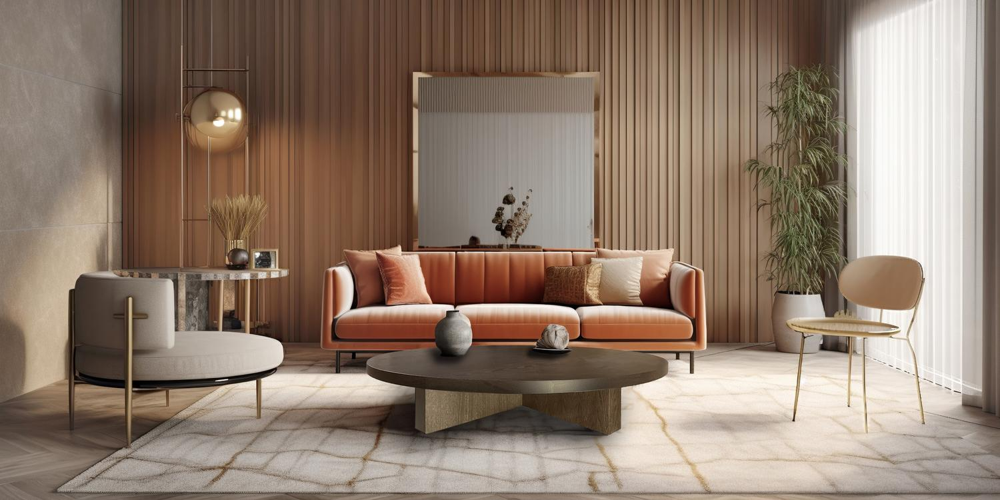
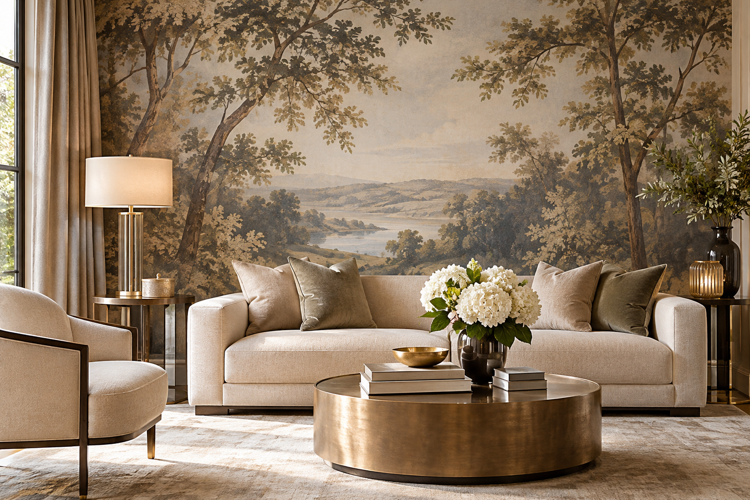
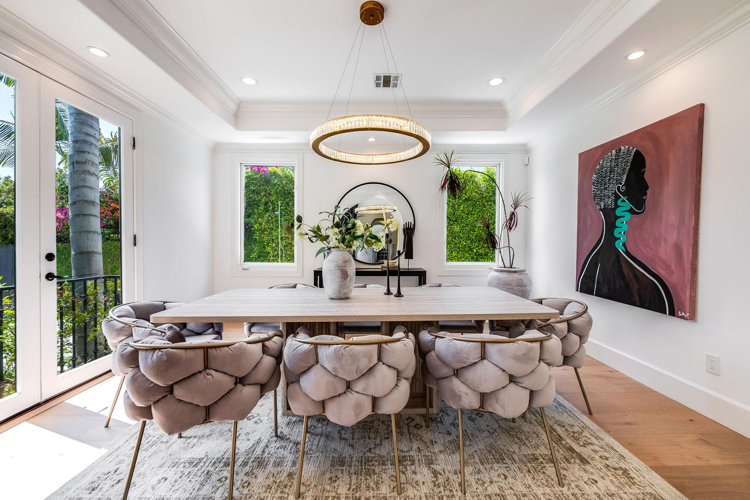
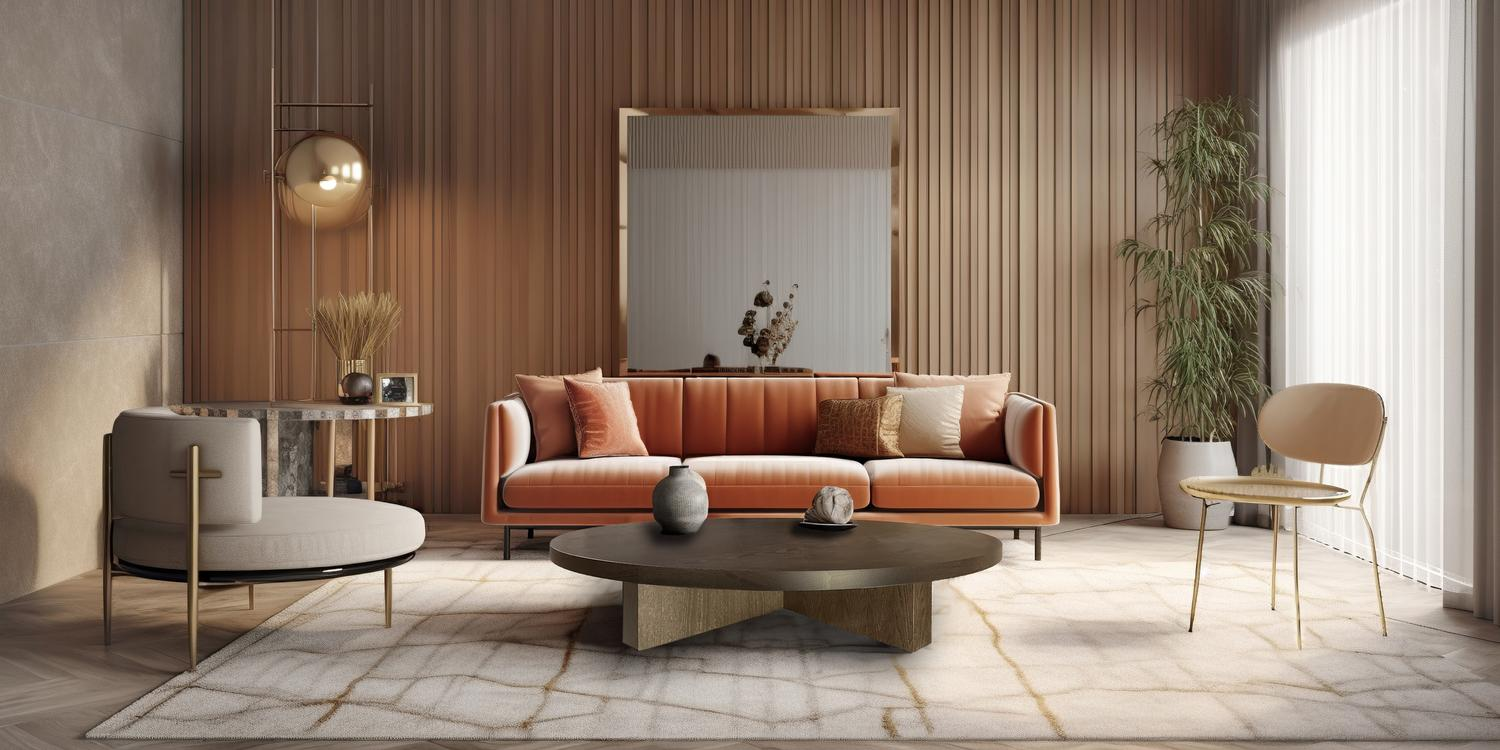
There is a particular kind of beautiful room that looks impressive in photographs but somehow feels less appealing in person. The furniture is perfectly coordinated, the accessories are arranged just so, and not a single object seems out of place. Yet something is missing. It could belong to almost anyone.
Now imagine another room. An inherited wooden cabinet stands against a beautifully painted wall. A contemporary sofa shares the space with an antique chair. Books are actually read, artwork has a story, and the lighting makes everyone look better after sunset. Nothing feels accidental, but nothing looks overly rehearsed, either.
That second room captures something increasingly important in modern home decorating: personality.
The most interesting interiors are not necessarily those that follow a particular style. Warm colors can coexist with contemporary architecture. Vintage furniture can sit comfortably beside modern pieces. Natural materials, distinctive lighting, and carefully chosen patterns can make even a relatively simple room feel special.
But creating an individual home is not as simple as buying more furniture, choosing richer colors, or installing dramatic wallpaper.
The real art lies in balancing what looks beautiful with what feels comfortable, what is fashionable with what will last, and what is new with what deserves to stay.
Forget the Design Label and Start With the Feeling
Modern, traditional, transitional, Scandinavian, coastal. Design styles can be useful references, but they can also become unnecessary restrictions.
A homeowner who loves contemporary architecture might also appreciate antique furniture. Someone drawn to minimalist spaces may still enjoy patterned textiles and rich colors. These preferences are not contradictions. They are opportunities to create something more interesting.
Instead of beginning with a design category, consider how the room should feel.
A living room might need to feel relaxed but sophisticated. A dining room could be intimate and welcoming. A bedroom may call for softness, simplicity, and a sense of escape.
For example, an inviting living room might combine a generously proportioned sofa, a traditional wooden coffee table, contemporary artwork, and linen curtains. The furnishings do not need to belong to the same era because they share a common sense of warmth and restraint.
As FINE explores in How to Mix Modern and Vintage in Your Remodel, contrasting pieces can work beautifully together when their proportions, materials, and surrounding colors feel considered.
The aim is not to make everything match. It is to make everything feel as though it belongs.
Give Color More Than a Supporting Role
For a long time, color was something homeowners were encouraged to introduce carefully, usually through a cushion, a vase, or an accent wall.
There is nothing wrong with restraint, but color can do far more than provide a decorative finishing touch.
Chocolate brown, burgundy, olive green, terracotta, deep blue, and warm ochre can give interiors richness and atmosphere. Even quieter shades, such as mushroom, parchment, and creamy ivory, can make a room feel more welcoming than stark white or cool gray.
For a softer approach, consider Farrow & Ball's Setting Plaster No. 231, a dusty pink with warm undertones. Its understated character makes it particularly appealing in bedrooms, sitting rooms, or spaces furnished with antique wood and natural fabrics.
Paired with walnut furniture, cream upholstery, and understated brass accents, this type of color can create a warm, sophisticated atmosphere without feeling overly decorative.
The challenge is choosing colors that work together rather than collecting attractive shades independently.
Start with the room's existing elements: flooring, cabinetry, large furniture, and natural light. These are often the most expensive features to change and should help establish the palette.
Before committing to a dramatic wall color, test large samples in different parts of the room. Observe them in morning light and after sunset. A shade that looks beautiful under showroom lighting may feel entirely different at home.
Rich color can be transformative, but a beautifully balanced neutral room remains just as valid. The objective is atmosphere, not a competition to use the boldest paint.
Make Room for Furniture With a Past

One of the most appealing directions in interior design is the appreciation for furniture that has already lived a little.
Antique sideboards, vintage occasional chairs, old wooden tables, and inherited cabinets can introduce details that are difficult to reproduce in mass-produced furniture.
Sometimes it is the craftsmanship that makes these pieces special. Sometimes it is their proportions, patina, or the simple fact that they have a story.
A vintage walnut credenza, for example, can become a beautiful focal point in a contemporary living or dining room. Its rich wood grain introduces warmth, while the simplicity of the surrounding furniture keeps the space feeling current.
For homeowners looking for distinctive examples, Chairish's collection of vintage walnut credenzas and sideboards includes pieces ranging from restrained midcentury designs to more decorative traditional furniture.
A low walnut sideboard beneath an oversized contemporary painting can be particularly effective. The contrast creates visual interest without requiring additional decoration.
However, adding vintage furniture does not mean filling a room with antiques.
Too many ornate or heavily distressed pieces can make an interior feel crowded. Instead, allow one distinctive item to become the focal point, then surround it with quieter furnishings.
Before purchasing vintage furniture, inspect structural stability, drawer operation, odors, upholstery condition, and signs of damage. With one-of-a-kind pieces, confirm the dimensions and return terms before purchasing.
The best purchase is not always the rarest or most expensive. It is the piece that genuinely improves the room.
And if a family heirloom already serves that purpose, there may be no reason to replace it.
Let Texture Create the Luxury
Luxury is often associated with expensive finishes, but a room can have beautiful materials and still feel surprisingly flat.
The missing ingredient is frequently texture.
Smooth stone beside textured wood, soft upholstery against plaster walls, or handwoven fabrics alongside polished metal can give an interior depth without relying on elaborate decoration.
Consider the Malawi Rug from Armadillo, a hand-knotted wool design with distinctive rows of texture and a tasseled fringe. Its craftsmanship and tactile appearance make it an attractive choice for a bedroom or quieter sitting room, particularly alongside streamlined furniture.
A rug like this introduces warmth without demanding attention through bright colors or complicated patterns. However, Armadillo rates it for low-traffic use, so it may not be the most practical choice for a busy family room.
Natural materials are particularly effective because their grain, texture, and subtle imperfections prevent everything from looking identical.
Handmade ceramics, woven baskets, wood furniture, stone accessories, and textured textiles can all contribute to this effect.
However, material choices should be guided by maintenance as well as appearance.
Natural stone may stain if it is not adequately protected. Certain plaster finishes require specialist application or careful cleaning. Delicate upholstery may be impractical for a frequently used family room.
Before investing in expensive finishes, ask how they will perform under ordinary conditions, not just how they look when freshly installed.
Beautiful design becomes more valuable when it continues to look good after years of use.
Use Lighting to Give Every Room a Second Life
A room can be beautifully furnished and still feel uninviting if the lighting is wrong.
This is particularly noticeable in the evening, when natural light disappears and ceiling fixtures suddenly become responsible for the entire atmosphere.
Rather than relying on one bright overhead light, think about how different sources of illumination can work together.
A sculptural pendant might provide the focal point above a dining table. A table lamp can introduce warmth near a sofa, while discreet accent lighting draws attention to artwork or architectural details.
For a distinctive example, consider the Flos IC Lights S2 pendant by Michael Anastassiades. Its opal glass globe and slender metal structure create an elegant balance between modern sculpture and functional lighting.
In a dining room with a traditional wooden table, this fixture could introduce a contemporary contrast without overwhelming the space.
Its diffused light makes it appealing for creating atmosphere, although additional lighting may still be necessary for tasks or larger rooms. Buyers should also check installation requirements and compatible bulbs.
FINE's guide to Creative Lighting Ideas to Transform Your Home Design explores how ambient, task, and accent lighting can work together.
Dimmers offer another useful layer of flexibility, allowing the same room to accommodate quiet evenings, entertaining, and everyday activities.
The important distinction is between choosing a beautiful light fixture and designing beautiful lighting.
Good lighting does both jobs: it enhances the room while making daily life easier.
Pattern Should Add Personality, Not Noise
Floral wallpaper, decorative textiles, botanical prints, and traditional patterns all have a place in contemporary homes. Yet their appeal is less about recreating a particular decade and more about giving rooms a distinctive visual identity.
An oversized floral wallpaper can make a small powder room feel memorable. A patterned armchair can bring life to a quiet bedroom. A traditional rug can provide an unexpected counterpoint to modern furniture.
For a more expressive example, House of Hackney's ARTEMIS wallpaper in Ecru brings a romantic, botanical character to a room through its intricate floral design.
It could work beautifully behind a bed with a simple upholstered headboard, or as a focal wall in a sitting room furnished with contemporary pieces.
The surrounding materials should provide balance. Natural wood, understated upholstery, and a limited color palette can prevent the pattern from dominating the space.
Scale matters, too.
A large botanical design can feel expressive without appearing busy, while a smaller repeated pattern may become visually overwhelming across a substantial wall.
Before ordering wallpaper, request a sample, calculate the quantity carefully, and consider how the design will meet corners, windows, and other architectural features. House of Hackney's wallpaper is printed to order, making accurate measurements and an understanding of its return policy especially important.
Pattern is one of the easiest ways to make an interior memorable, but it should contribute to the overall composition rather than compete with every other detail.
A Beautiful Room Still Has to Work on a Tuesday
One of the most useful changes in contemporary decorating is the growing recognition that a home should support everyday life, not merely photograph beautifully.
A striking living room is of little value if its seating makes conversation awkward. A stylish entryway quickly loses its charm when shoes and bags have nowhere to go. And a beautifully styled home office may become frustrating if the lighting, storage, or desk arrangement does not support actual work.
Before making decorative changes, look at how each space is used.
Does the living room accommodate everyone comfortably? Is there sufficient lighting beside the chair where someone usually reads? Can guests move around the dining table without squeezing between furniture? Are frequently used items easy to reach?
Sometimes the most effective improvement is a change in layout rather than a purchase.
Moving an armchair closer to a window may create a natural reading corner. Repositioning a console can improve circulation. Replacing an oversized coffee table with a smaller design may make a compact living room feel more generous.
Comfort should influence material choices as well.
Performance upholstery, washable textiles, accessible storage, and furniture with appropriate proportions can make a room considerably more enjoyable without compromising its appearance.
A thoughtfully designed home should accommodate the people living in it, including their routines, changing needs, and occasional mess.
That is not a compromise in luxury. It is part of what makes luxury worthwhile.
Know What to Change and What to Leave Alone

The most expensive decorating mistake is often replacing something that was never the problem.
A homeowner might dislike an all-white kitchen and immediately begin considering new cabinets. But perhaps the space simply needs warmer lighting, better counter stools, a more expressive backsplash, or a different wall color.
Similarly, a living room that feels dated may not require a new sofa. The proportions might be right, while the surrounding rug, curtains, and lighting are creating the wrong impression.
Before making substantial changes, consider three levels of commitment.
First, work with what is already there. Rearrange furniture, remove unnecessary accessories, rehang artwork, and reconsider the placement of lamps. These changes cost little but can reveal what a room actually needs.
Next, introduce flexible improvements. Paint, rugs, window treatments, and carefully selected furniture can make a visible difference without requiring structural work.
Finally, evaluate permanent investments. Custom cabinetry, natural stone surfaces, new flooring, and plumbing fixtures deserve more consideration. Their cost, maintenance requirements, installation complexity, and long-term suitability should justify the change.
It can help to live with smaller adjustments before committing to expensive ones.
A room does not need every fashionable detail to feel current. In fact, selecting fewer, better elements often creates a more convincing result.
The FINE Take
The most beautiful homes are rarely the ones that follow every design trend. They are the ones that know which ideas to embrace, which to reinterpret, and which to ignore.
Warm colors can make a space inviting. Vintage furniture can introduce character. Natural materials add richness, while thoughtful lighting changes the way a room feels. But these elements matter most when they work together and serve the people who live there.
A home should have room for beautiful new discoveries and for pieces that have been loved for years.
Perhaps the real luxury is no longer having a room that looks as though it belongs in a showroom. It is having one that could only belong to you.


(0) comments
We welcome your comments
Log In
Post a comment as Guest
Keep it Clean. Please avoid obscene, vulgar, lewd, racist or sexually-oriented language.
PLEASE TURN OFF YOUR CAPS LOCK.
Don't Threaten. Threats of harming another person will not be tolerated.
Be Truthful. Don't knowingly lie about anyone or anything.
Be Nice. No racism, sexism or any sort of -ism that is degrading to another person.
Be Proactive. Use the 'Report' link on each comment to let us know of abusive posts.
Share with Us. We'd love to hear eyewitness accounts, the history behind an article.