
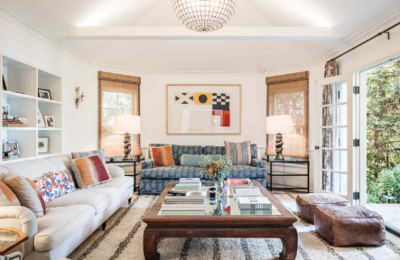

Blending modern and vintage elements in a home remodel can create a space that feels both timeless and fresh. When done right, this style fusion tells a unique story, one that highlights personal taste, history, and forward-thinking design all at once. But pulling off this balance is not as simple as placing a mid-century chair next to a sleek marble counter. It is about thoughtful curation, material harmony, and knowing when to let one style lead.
In this guide, we will break down the key principles of mixing modern and vintage design, share practical remodeling tips, and provide room-by-room inspiration to help you get it just right. If you are ready to commit to these styles, you can also work with an interior designer using software like Houzz Pro to lay out ideas in a visual 3D floor plan to see how everything may come together in your space.
Why Mix Modern and Vintage?
Combining modern and vintage creates a curated, lived-in look that avoids the sterile feel of all-new design and the dated appearance of purely retro decor. Vintage pieces add warmth, character, and craftsmanship, while modern design offers clean lines, smart layouts, and updated materials. Merging the two can create a layered, inviting space that feels authentic and intentional.
Choose a Unifying Color Palette
One of the easiest ways to blend modern and vintage elements seamlessly is to start with a cohesive color palette. Neutral bases like white, gray, beige, or greige can act as visual glue that ties old and new together. You can then layer in accents through accessories, artwork, lighting, or feature walls.
For example, a vintage wood sideboard can pair beautifully with a modern matte-black dining table if both are surrounded by a calming, neutral background. Avoid mixing too many bold hues unless you are going for a deliberately eclectic look. Consistency in color creates harmony, even when the styles differ.
Balance Materials and Textures
Modern design often leans toward smooth, sleek surfaces like glass, concrete, stone, or metal. Vintage decor tends to favor tactile richness, such as aged wood, brass, velvet, ceramic, or handwoven textiles. The key is to balance these textures instead of letting one dominate the entire room.
In a kitchen remodel, modern white cabinetry and stainless steel appliances can work beautifully with vintage-style backsplash tiles or reclaimed wood open shelving. This contrast creates visual depth and prevents the space from feeling too cold or too cluttered.
Let One Style Lead
While mixing styles is the goal, one design direction should take the lead to prevent visual chaos. Decide early whether the base of the remodel will be modern with vintage accents or vintage with modern updates.
For instance, in a modern living room, a few well-placed antique touches, such as a Persian rug, vintage armchair, or ornate mirror, can add richness without overwhelming the contemporary feel. A loose 80/20 rule can help: let one style make up most of the room, then use the other as contrast.
Where to Splurge for Maximum Impact
When blending styles in a remodel, some areas are worth the extra investment. Lighting is a strong place to fuse modern efficiency with vintage charm. A restored Art Deco chandelier, sculptural sconce, or mid-century pendant can become a focal point in an otherwise minimalist room.
Furniture is another worthwhile splurge. A vintage credenza, farmhouse dining table, or antique dresser can anchor the space and be paired with sleek modern chairs, updated lighting, or contemporary decor. Prioritize pieces that offer both function and character.
If you are unsure where to start or need expert craftsmanship to bring your vision to life, companies like Home Remodeling Dallas specialize in transforming spaces that combine style, utility, and personality. A skilled remodeling team can help preserve vintage character while updating the home for modern living.
Avoid Visual Clutter
One common pitfall when mixing styles is over-decorating. Vintage elements can be ornate or visually heavy, while modern design often depends on simplicity. The solution is careful editing.
Stick to a few standout vintage pieces rather than filling every room with antiques. Negative space, including open wall or floor space, can help the design breathe and give those special items room to stand out.
It is also helpful to avoid stacking too many vintage focal points in the same room. A clawfoot tub, antique mirror, retro tile, and ornate lighting may feel overwhelming together. Choose one or two focal elements, then support them with cleaner modern finishes.
Room-by-Room Inspiration
Living Room
Use a modern sofa in a neutral fabric, then add character with a vintage coffee table, patterned rug, and brass floor lamp. A gallery wall with antique frames and modern art can also tie both styles together.
Kitchen
Install sleek, frameless cabinets and pair them with retro-style hardware, a farmhouse sink, or a classic range hood. Bar stools with a mid-century shape can add a subtle touch of nostalgia without making the room feel themed.
Bathroom
Go modern with a floating vanity, clean-lined fixtures, and a rain shower, then bring in vintage contrast through patterned tile, an antique mirror, or warm brass accents.
Bedroom
Combine a low-profile modern bed with a vintage dresser, antique nightstands, or an ornate headboard. Keep textiles calm and neutral, then add interest with linen bedding, a handmade quilt, or textured throw pillows.
Sourcing Vintage Pieces That Work
Finding the right vintage items is half the fun. Look for estate sales, flea markets, architectural salvage shops, antique stores, and online platforms like Chairish, Etsy, and Facebook Marketplace. Prioritize quality over trendiness. Solid wood, original hardware, good proportions, and strong craftsmanship usually age better than pieces chosen only because they are currently popular.
Pairing vintage finds with modern architecture or finishes works best when there is contrast in scale, material, or shape. For instance, a rough-hewn antique bench at the foot of a clean-lined bed creates harmony through opposition.
Be cautious about overdoing distressed or shabby-chic elements. The goal is to find pieces that feel time-worn, not worn out. Minor refinishing, new upholstery, or updated hardware can bring older furniture back to life while helping it fit into the remodel’s overall design.
Final Thoughts
Mixing modern and vintage styles in your remodel is not about following strict rules. It is about creating a space that reflects your story, taste, and lifestyle. With planning, balance, and intention, you can create a home that feels rooted in character while still being ready for the future.

(0) comments
We welcome your comments
Log In
Post a comment as Guest
Keep it Clean. Please avoid obscene, vulgar, lewd, racist or sexually-oriented language.
PLEASE TURN OFF YOUR CAPS LOCK.
Don't Threaten. Threats of harming another person will not be tolerated.
Be Truthful. Don't knowingly lie about anyone or anything.
Be Nice. No racism, sexism or any sort of -ism that is degrading to another person.
Be Proactive. Use the 'Report' link on each comment to let us know of abusive posts.
Share with Us. We'd love to hear eyewitness accounts, the history behind an article.