
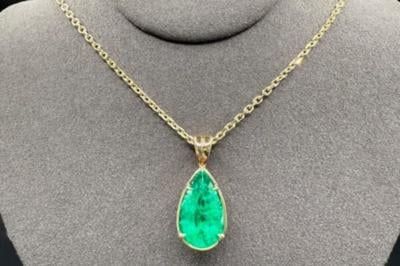

DALLAS, TEXAS: Buying fine jewelry often means trusting someone with more than money. Before purchasing, customers want to know their ring's craftsmen and material suppliers and whether the craftsmanship matches the price. The high focus on these details is because customers are investing in detailed work for custom jewelry. Yet these details are not always clear when sellers use words like "custom," "handcrafted," and "bespoke."
Dallas-based fine jewelry house Hartley Vandar is bringing these questions into public view through The Red Flag Series, an educational TikTok seriescreated by its founder and lead jeweler, Conner Davis. The series has attracted millions of views by exposing misleading claims and questionable selling practices in the fine jewelry industry.
Rather than focusing only on how jewelry looks, Davis shows viewers what happens behind the finished piece. His videos examine the people, skills, and manufacturing steps involved in making fine jewelry. They also explain how some sellers use attractive marketing to make ordinary products appear more exclusive than they are.
For Hartley Vandar, the message is straightforward: buyers should know exactly what they are paying for.
Hartley Vandar Brings Jewelry Making Into the Conversation
Conner Davis brings firsthand experience to the subjects covered in The Red Flag Series. As the founder and lead jeweler of Hartley Vandar, he works as a bench jeweler and understands the practical work involved in creating fine jewelry.
That experience shapes the way he discusses the industry. Instead of relying on broad claims about quality, Davis draws attention to details that buyers may not know to examine. These include stone settings, prong work, finishing, design methods, and the people responsible for making a piece.
The subject matters because jewelry buyers often see only the finished product. A polished photograph can show the design, but it cannot explain how the piece was made or whether the seller has described it accurately.
Through its videos, Hartley Vandargives viewers a closer look at these details. The aim is to help customers ask better questions before making an expensive purchase.
The Red Flag Series Challenges Misleading Custom Jewelry Claims
One of the main subjects in The Red Flag Series is the way some sellers describe mass-produced jewelry as custom work.
Genuine custom jewelry begins with a design developed around a customer's ideas. The process may involve sketches, digital models, material choices, and adjustments made for the person ordering the piece.
However, some sellers offer existing catalog designs while presenting them as individually created jewelry. Changing the metal or selecting a different stone does not necessarily mean the entire design was made from scratch.
The distinction can be difficult for buyers to recognize. A product may look personal and exclusive in its marketing, even when the same design is available elsewhere.
Davis uses the series to explain these differences and encourage customers to ask how their jewelry was designed. Buyers should also know whether the person selling the piece actually designed it or simply selected it from an existing collection.
Why Hidden Outsourcing Matters
The series also examines how some sellers describe their manufacturing arrangements.
Outsourcing is common in jewelry production. Even respected jewelry businesses may work with specialist workshops for casting, stone setting, polishing, or other stages. Using outside craftspeople does not automatically mean a piece is poorly made.
The problem begins when sellers hide these arrangements while suggesting they personally completed the entire manufacturing process.
Customers paying for handcrafted jewelry should receive an honest explanation of the work involved. They should know which steps happen in-house and which are completed by outside specialists.
This distinction is central to the message of The Red Flag Series. The concern is not simply where jewelry is made. It is whether the seller accurately explains how it reaches the customer.
Showing the Difference Between Good and Poor Craftsmanship
Another important subject is the quality of the finished piece. Small manufacturing details can affect how jewelry looks and how well it holds up over time.
Davis draws attention to problems such as loose stones, uneven prongs, weak settings, rough finishes, and inconsistent metalwork. These defects may not stand out in ordinary product photographs, but they can become noticeable during regular wear.
Stone setting is particularly important. Prongs must hold a stone securely, and the setting should not have visible gaps or uneven contact. Poor finishing and weak construction can also lead to repairs that customers did not expect.
The videos help viewers understand what these details mean. They also encourage buyers to request close-up photographs and ask about the workmanship before completing a purchase.
Bringing More Clarity to Diamond Buying
Diamond marketing receives attention throughout the series as well. Buyers often encounter descriptions that use terms such as premium, eye-clean, or exceptional without enough information to judge the stone.
Diamond value depends on several factors, including cut, grading, treatments, and whether the stone is mined or lab-grown. Without clear details, customers may struggle to compare products or understand the price being charged.
Independent grading reports can provide useful information about a diamond's characteristics. Buyers should also ask sellers to explain any treatments and provide accurate details about the stone.
By discussing these subjects, Hartley Vandar addresses an area where technical knowledge can make a real difference to purchasing decisions.
Building Trust Through Honest Information
The Red Flag Series does not suggest that every jewelry seller who uses outside manufacturers is misleading customers. Nor does it suggest that every mass-produced piece is poor quality. Its message is about accurate descriptions, professional knowledge, and accountability.
Customers deserve to know who designed their jewelry, who made it, what materials were used, and which parts of the process involved handwork. They should also receive clear information about diamond quality and the price they are paying.
Through Hartley Vandar, Conner Davis is bringing these issues to a larger audience. The millions of views earned by The Red Flag Series point to a clear interest in seeing more of the work behind fine jewelry.
For buyers, that knowledge can make an important difference. A beautiful piece may catch their attention, but honest information and sound craftsmanship are what help earn their trust.


(0) comments
We welcome your comments
Log In
Post a comment as Guest
Keep it Clean. Please avoid obscene, vulgar, lewd, racist or sexually-oriented language.
PLEASE TURN OFF YOUR CAPS LOCK.
Don't Threaten. Threats of harming another person will not be tolerated.
Be Truthful. Don't knowingly lie about anyone or anything.
Be Nice. No racism, sexism or any sort of -ism that is degrading to another person.
Be Proactive. Use the 'Report' link on each comment to let us know of abusive posts.
Share with Us. We'd love to hear eyewitness accounts, the history behind an article.