
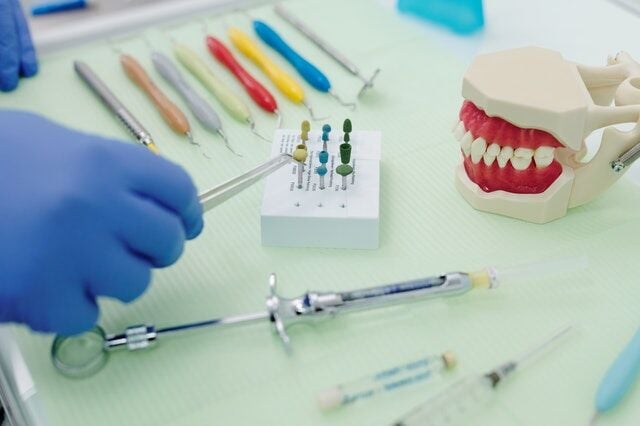
You might not realize it, but your teeth are a primary source of systemic infection and inflammation. Keeping a good mouth, teeth, and gums will improve one's appearance and well-being. We must recognize that damaged, misaligned, or tooth loss, as well as a malformed jaw, can obstruct articulation, make appropriate eating difficult and uncomfortable, and necessitate costly correction surgeries. Do you understand why dental care is so crucial right now?
One of the dreaded visits as a child is going to the dentist. Shall we discuss how we'd be strapped into a colossal chair with shimmering lights blinding our eyes? Or having to sit through long periods with someone peering into your mouth and prodding it with uncomfortable and terrifying devices? The session ends, but your bubbles will burst when an expert tells you not to consume your favorite sweets and clean your teeth frequently. Isn't this the worst thing? But it doesn't have to be that way. With the right care from a pediatric dentist, your child can have a positive dental experience and learn how to keep their teeth healthy without stress.
It's hard not to get terrified when you recall these memories of childhood. No one enjoys going to the dentist, even though everyone understands how important dental health is and how closely it is linked to our general health.
Things You Should Know About New Dental Treatments
New technologies would have a massive effect on how dentistry is practiced and how people take care of themselves in the future, as seen in other medical specialties. Can you imagine getting your 3D-printed prosthetics in an hour rather than a multi-hour appointment with a dentist? Perhaps a teledentistry consultation is in order? Instead of scary instruments, how about an intra-oral camera examining your mouth?
As a result, we've compiled a list of six things you should know about the most recent dental treatments in this post.
1. Artificial Intelligence
As we all know, artificial intelligence's importance and worth in today's society cannot be overstated; it is also found to be important as dentists use software to gain information for medical decisions. This method combines advanced algorithms to help dentists locate the most appropriate treatment options for their patients. These algorithms are so powerful that they may be linked to the healthcare system to analyze medical data, scientific studies, and treatment approaches to provide diagnosis and treatment suggestions for specific patients.
2. Cosmetic Dentistry
Modern cosmetic dentistry can improve the appearance of your teeth if they are chipped, discolored, damaged, fractured, missing, misplaced, malformed, or have spaces between them.
These procedures are heavily practiced all over the world. For example, suppose you are in Australia, and you want cosmetic dentistry in Melbourne. In that case, you will have many options ranging from veneers to Invisalign to choose from, depending on what you need. A "smile makeover" involves one or even more dental care treatments that enhance the effectiveness of your grin.
3. Teledentistry
Most individuals dislike going to the dentist; think how difficult it would be for kids or individuals with additional needs. Another difficulty is accessibility: people in remote regions rarely have access to a dentist, and they seldom choose. With the advent of teledentistry, this could dramatically change. Teledentistry services provide effective and convenient exposure to oral and dental treatment; they are much less expensive for patients, and they encourage patients to take more preventative dentistry.
4. 3D Printing
Given the recent talk in medicine surrounding the new technologies' ability to print pharmaceuticals, prostheses, and even tissue reproductions, 3D printing doesn't require an explanation. It will also produce orthopedic designs, surgical guides, braces, retinues, and other dentistry facilities quicker and much more accurately with the assistance of 3D printing integrated into dental labs. This will also assist in improving work processes, reducing error, and the amount of labor required.
5. The Intra-Oral Camera
This is one of the most recent dental treatment innovations. Imagine being sat in the dentist's chair, your mouth wide open, and the dentist searching for abnormalities in your dentition with terrifying tools. Imagine being in that awkward situation when, despite being penalized for keeping your mouth open for several minutes, the dentists are still unable to detect what they want to see, even with the help of their reliable dental mirror. Such circumstances are not only inconvenient for both the client and dentist, but they are also unpleasant. Intra-oral cameras, on the other hand, can help resolve this issue by capturing clear, high-resolution images that patients can fully comprehend.
6. Regenerative Dentistry
We've grown to expect that our teeth will fall out with age or damage, and also that we'll have to substitute them using prosthetics. On the other hand, regenerative dentistry challenges this notion with advancements that could lead to self-healing teeth and radiation treatment for injured teeth. This allows the patient to regenerate teeth that have been destroyed by periodontal caries, possibly obviating the need for root canal treatment!
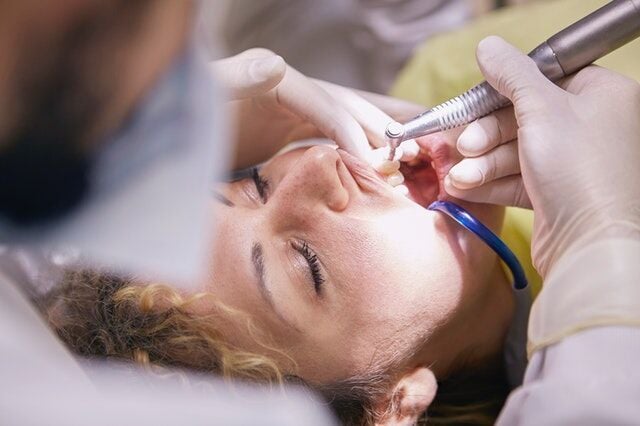
To summarize, current techniques imply that dental treatment can be performed with almost no minimal difficulty. We hope that this article has helped educate you on some crucial aspects of the newest/latest dental treatment.


(0) comments
We welcome your comments
Log In
Post a comment as Guest
Keep it Clean. Please avoid obscene, vulgar, lewd, racist or sexually-oriented language.
PLEASE TURN OFF YOUR CAPS LOCK.
Don't Threaten. Threats of harming another person will not be tolerated.
Be Truthful. Don't knowingly lie about anyone or anything.
Be Nice. No racism, sexism or any sort of -ism that is degrading to another person.
Be Proactive. Use the 'Report' link on each comment to let us know of abusive posts.
Share with Us. We'd love to hear eyewitness accounts, the history behind an article.