
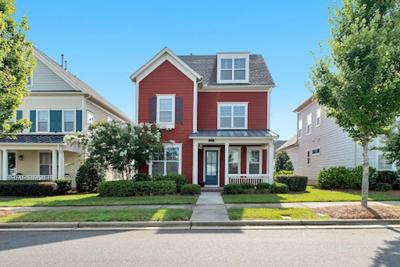

Buying a home seems like a bigger challenge today than it was even just a few years ago. Homebuyers face an uphill battle dealing with higher interest rates, competition from investors, and the mortgage stress test.
While the process has become tougher, it’s not impossible. You can make it all much easier on yourself by coming into the situation prepared. These are the factors you need to consider before you start the home-buying process.
Where Should You Look for a Home?
The big balance you need to strike when you buy a home is between location and cost. You may want a home that’s close to your work, one that’s in the catchment area for good schools, or that’s close to family, amenities, and your community.
You also want to balance that with price. Major metropolitan areas tend to have much higher demand for housing that pushes prices up, but you may be able to find better deals in smaller cities. Houses for sale in St. Catharines are generally a much better deal than the Greater Toronto-Hamilton Area, with more square footage on offer at a lower price.
If you have more geographic flexibility allowing you to search further afield for a home, you may be able to find lower home prices than you’re seeing in your area. If you're considering buying a home in Memphis, it's essential to explore houses for sale in Memphis that align with your budget and location preferences to ensure a smooth and successful home-buying process
How Long Does It Take to Buy a Home?
Strap in for a busy couple of months because buying a home can be very time-consuming. On average, it takes 50 days to buy a home from start to finish, but this can vary depending on your personal circumstances and the state of your local real estate market. These are all of the things that are generally part of the home-buying process:
1. Doing Your Research: Walking into such a major purchase blind can be an issue. Start by checking out local listings, prices, and what you can get.
2. Find a Real Estate Agent: Finding listings you love on your own is a great way to be proactive, but a real estate agent helps with more than just finding places. They arrange viewings and documents, and know everything there is to know about different communities.
3. Get Pre-Approved for a Mortgage: This is where a bank looks at your finances and lets you know how much they might be willing to lend. It’s not guaranteed, but it gives you a budget.
4. Viewings: This part depends on your taste and the market. You can wind up seeing dozens of homes, or you can find the right one right away.
5. Offers and Negotiations: Making an offer can be stressful, but this is where your real estate agent’s advice can be invaluable.
6. Closing: This is a lengthy process in its own right and includes things like home inspection, home appraisal, title insurance, and more.
How Do You Pass the Mortgage Stress Test?
Another important part of the process is getting mortgage approval. A new part of the approval process is passing the mortgage stress test. The bank no longer looks just at what you can afford today. They also evaluate how much you could afford in a time of stress, including a period of unemployment or rising interest rates.
Before you start home shopping, make sure you walk in prepared.
Here are Some Other Articles Related to Your Search:
First Home Buyers Guide to Buying a Home
Five Things a New Homeowner is Looking for When Buying a House

(0) comments
We welcome your comments
Log In
Post a comment as Guest
Keep it Clean. Please avoid obscene, vulgar, lewd, racist or sexually-oriented language.
PLEASE TURN OFF YOUR CAPS LOCK.
Don't Threaten. Threats of harming another person will not be tolerated.
Be Truthful. Don't knowingly lie about anyone or anything.
Be Nice. No racism, sexism or any sort of -ism that is degrading to another person.
Be Proactive. Use the 'Report' link on each comment to let us know of abusive posts.
Share with Us. We'd love to hear eyewitness accounts, the history behind an article.