

A car problem is stressful at any hour, but a breakdown at 2 AM can feel especially difficult. A flat tire on a dark road, an engine that will not start, or an unexpected stop during severe weather can leave drivers trying to solve problems with limited visibility and few nearby services. An emergency kit helps reduce that uncertainty by keeping useful supplies in one place, ready to reach when something goes wrong.
The best kit is not necessarily the largest one. It is the one that matches your vehicle, the routes you drive, the local weather, and the needs of your passengers. Items should be easy to find in darkness, simple to use, and checked regularly. A dedicated light, basic roadside equipment, communication supplies, and a plan for getting help form a practical starting point.
Why Every Car Needs a Dedicated Flashlight
A phone light may seem sufficient until you need both hands to inspect a tire, retrieve something from the trunk, or check the area around your vehicle. Using a phone also consumes battery power that may be needed for calls, navigation, or emergency alerts. A separate flashlight gives you an independent source of light when the vehicle's interior lights are not enough or the battery is running low.
Store the light somewhere accessible without unloading the trunk. A secured compartment or organizer can keep it from rolling under a seat or getting buried beneath groceries and luggage. Choose a model with controls you can learn in advance, and test it periodically so you do not discover a dead battery on the roadside.
Think about where you drive, too. Rural roads may have little street lighting, while city breakdowns can happen in parking garages or poorly lit side streets. A light that is comfortable to hold and offers a suitable setting for nearby tasks can help you inspect your surroundings without creating unnecessary glare for passing drivers.
The Core Items: A Practical Checklist
A useful car emergency kit should cover visibility, personal safety, basic repairs, communication, and changing weather. The exact contents depend on your vehicle and driving conditions, but several essentials are worth considering.
A dedicated flashlight and spare or backup power, as appropriate for the model.
A reflective warning triangle or other locally recommended roadside visibility equipment.
A first-aid kit and essential personal medications.
A tire pressure gauge and the tools or equipment needed for your vehicle's tire system.
Jumper cables or a compatible jump starter, if suitable for your vehicle.
Drinking water, shelf-stable snacks, and seasonal clothing or a blanket.
A phone charging cable, power bank, and written emergency contacts.
Work gloves, basic supplies, and a small amount of cash.
Keep the kit organized so you can find an item without emptying the entire storage compartment. Place frequently needed equipment near the top, while heavier items should be secured to prevent them from shifting during sudden braking. Check the vehicle manual before using tools or attempting repairs, and do not perform roadside work if traffic or the location makes it unsafe.
Rechargeable Flashlight or Disposable Batteries in the Glovebox?

A rechargeable flashlight can be convenient because you can restore its power instead of repeatedly purchasing disposable batteries. For drivers who already maintain charging equipment in their vehicles, this can make routine upkeep straightforward. However, rechargeable lights still need periodic checks, and their batteries may lose charge during storage. Extreme temperatures inside a parked car can also affect battery performance and lifespan.
A rechargeable flashlight is a sensible option when you can follow the manufacturer's charging and storage guidance. Check its charge before longer journeys, inspect the charging connection, and avoid assuming that a light left untouched for months will be ready when needed. A vehicle-mounted charging arrangement may help keep a compatible light accessible, but only if it is installed and used according to the product instructions.
Disposable-battery models have a different maintenance routine. They may be convenient for drivers who prefer to keep a spare set of batteries, but those batteries also need checking for depletion, leakage, and correct storage. There is no universal winner: choose the power system you are most likely to maintain reliably. In either case, consider carrying a backup source of light for long trips or remote driving.
Breaking Out: Window Tools and Seat-Belt Cutters
Some emergency kits include a purpose-built seat-belt cutter and a vehicle escape tool designed to help occupants leave a vehicle in a specific emergency. These tools are not everyday repair equipment, so it is important to understand their limitations before relying on them. Choose products intended for the task, read the instructions, and learn how they are supposed to be stored and accessed.
A vehicle escape tool may include a mechanism intended to break a side window, but not every window is made from the same type of glass. Tempered side windows and laminated glass can respond differently, and a tool designed for one type may not work as expected on another. Check your vehicle's glass specifications and the tool manufacturer's guidance rather than assuming that any window can be broken with any emergency tool.
Store such equipment where the driver or passengers can reach it quickly while remaining safely secured. Do not keep it loose where it could become a projectile during a collision. If you are trapped after a crash or your vehicle is exposed to fire, flooding, or another immediate danger, contact emergency services when possible and follow their directions. Never practise with an escape tool on your vehicle's actual windows.
Signaling for Help With Red Light and SOS
When a vehicle breaks down at night, being visible to other people can be as important as seeing your surroundings. If it is safe to do so, turn on the vehicle's hazard lights and move away from moving traffic. Use warning equipment according to its instructions and local road-safety guidance. Avoid standing behind or beside a vehicle in a location where another driver might not have enough time to react.
Some portable lights include a red signal or SOS mode. These features can provide an additional way to attract attention, but they do not replace hazard lights, reflective warning equipment, a phone, or emergency services. Learn how to activate the signal before an incident occurs. In poor weather or around bends and hills, a handheld light may not be visible to approaching traffic soon enough to provide adequate warning.
Use signals thoughtfully. Do not shine a bright beam into passing drivers' eyes, and do not walk into traffic to improve visibility. If the vehicle is in a dangerous position, prioritize reaching a safer location when possible and follow the instructions of roadside assistance or emergency responders.
How the Olight ArkTac Fits Into a Vehicle Kit
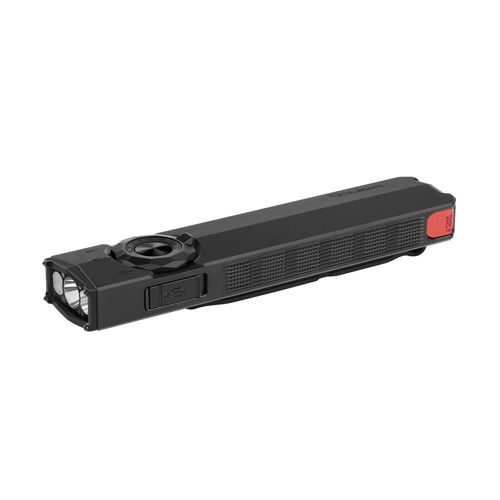
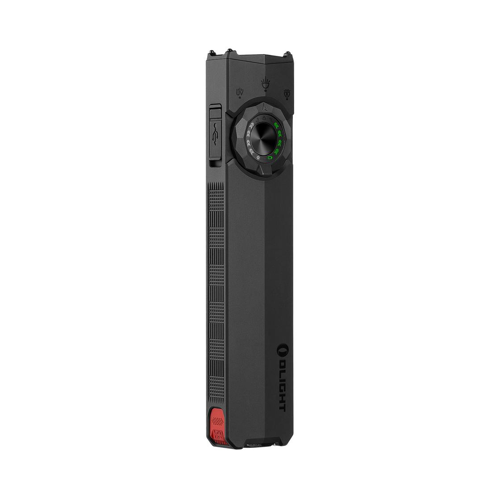
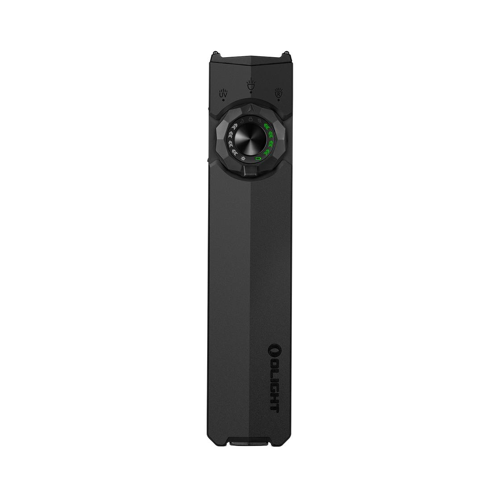
The Olight ArkTac may be worth considering for a vehicle emergency kit because its listed features include a red SOS light, a ruggedized head design, and standby time advertised at up to 24 months. That standby figure should not be treated as a guarantee that the light will remain ready for two years under every storage condition. Temperature, charging habits, and other factors can affect readiness, so regular inspection remains necessary.
For drivers who want a designated place to store and charge their light, the brief specifies an in-car mounting bracket and MCC4 magnetic charging. Confirm compatibility and the current package contents on the official product listing before purchasing, and follow the manufacturer's installation and charging instructions. A mount should hold the light securely without obstructing the driver's view, interfering with controls, or becoming a hazard if the vehicle stops suddenly.
The product's ruggedized head is described as having a window-breaking function, but emergency escape tools have limitations and should not be treated as guaranteed solutions for every type of vehicle glass. Learn the intended use from the official instructions and check whether it matches your vehicle. Most importantly, do not delay contacting emergency services or moving to safety because you are trying to use a particular piece of equipment.
Keeping Your Kit Ready Through the Seasons

An emergency kit should change with the weather and the journeys you make. Before winter, check warm clothing, blankets, ice and snow supplies where relevant, and the condition of batteries. Before hot-weather trips, review drinking water, sun protection, and any temperature-sensitive items. If you travel through remote areas, consider whether your kit provides enough supplies to wait safely for assistance.
Set a recurring reminder to inspect the kit every few months and before long drives. Test the flashlight, check charging equipment, inspect cables and tools, replace expired supplies, and make sure nothing has shifted into an inaccessible position. Follow the storage instructions for rechargeable batteries and avoid leaving sensitive equipment in extreme temperatures longer than necessary.
Finally, make sure everyone who regularly drives the car knows where the kit is stored and how to use its main items. Keep roadside assistance details and emergency contacts available, and review what to do if a breakdown occurs in a dangerous location. A well-maintained kit cannot prevent every roadside emergency, but it can make it easier to respond calmly and make safer decisions when help is needed.

(0) comments
We welcome your comments
Log In
Post a comment as Guest
Keep it Clean. Please avoid obscene, vulgar, lewd, racist or sexually-oriented language.
PLEASE TURN OFF YOUR CAPS LOCK.
Don't Threaten. Threats of harming another person will not be tolerated.
Be Truthful. Don't knowingly lie about anyone or anything.
Be Nice. No racism, sexism or any sort of -ism that is degrading to another person.
Be Proactive. Use the 'Report' link on each comment to let us know of abusive posts.
Share with Us. We'd love to hear eyewitness accounts, the history behind an article.