
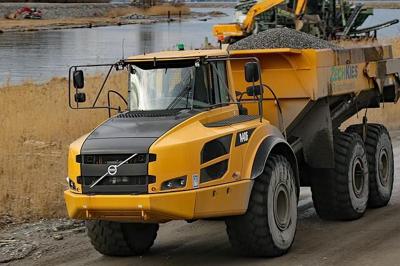

Driving massive dump trucks is not easy. It requires one to be alert, drive with stability, and think quickly. Else, it could lead to tragic accidents resulting in immeasurable damages and possible loss of life. However, it is also among the most rewarding professions worldwide.
But can you drive a dump truck without a CDL? It depends on the vehicle weight and other factors, ensuring all safety procedures are in place.
Before delving deeper into the query, however, it’s important to be aware of and understand the following.
What the job entails
The primary task of a truck operator is to transport various cargoes from one place to another securely. These generally include large quantities of sand, dirt, gravel, bricks, and garbage. The operator's responsibilities will vary depending on the consignment, ensuring they keep their vehicles in the best possible condition.
For instance, a driver transporting garbage must wash the automobile after every trip to ensure it remains clean and free from toxic debris. They also need to check the appropriate weight for the trip, prevent spillage, and check every truck component.
Training and experience
Selecting a good training institute that provides high-quality classroom and practical teaching to amateur drivers is vital. It will help them understand the safety protocols, driving discipline, emergency procedures, and work ethics.
Also, note that some jobs require a specific amount of experience, such as multi-combination dump vehicles that need a high level of skill and expertise. So, ensure you have a good number of years driving smaller, less complex machines before handling the massive ones.
License requirements
Training and experience are crucial to driving safely, but can you drive a dump truck without a CDL? The answer to this query can be segmented into the following information.
You do not require a license to operate a truck (or any large vehicle) weighing approximately 26,000 pounds or less. These are called non-CDL vehicles and typically include big cars, SUVs, and cargo boxes, seating less than sixteen people.
However, drivers will need a Class B license to operate vehicles weighing more than the above capacity but not exceeding 33,000 pounds, for which you need Class A permits. So, look for a good training program depending on the type of vehicle you wish to operate and learn the skills as best as possible.
Using a reliable resource
Relying on a trustworthy source for all your essential information is critical if you want to become a successful trucker. You can consider a legitimate website offering a broad range of guides to help you understand the nuances of stepping into the trucking industry.
For instance, a good resource will provide you with a list of the top training institutions, provide tips on obtaining licenses, and allow you to discuss pivotal aspects of the profession in an open forum.
Furthermore, they can give you crucial details, such as the current market salary, specialized careers, details of grants and scholarships, and the top trucking companies to consider working for. So, find a reliable resource to help make it easier to step into your dream profession and enjoy driving without hassles.


(1) comment
Good Blog!! This is very Useful information Keep up the good work
We are here to help you move your consignment, providing freight shipping services National Freight Logistics
- Full Truckload, Less Truckload and Intermodal shipping - and dynamic tailor-made logistics solutions for you. We create tomorrow's supply chain solutions, today.
(Edited by staff.)We welcome your comments
Log In
Post a comment as Guest
Keep it Clean. Please avoid obscene, vulgar, lewd, racist or sexually-oriented language.
PLEASE TURN OFF YOUR CAPS LOCK.
Don't Threaten. Threats of harming another person will not be tolerated.
Be Truthful. Don't knowingly lie about anyone or anything.
Be Nice. No racism, sexism or any sort of -ism that is degrading to another person.
Be Proactive. Use the 'Report' link on each comment to let us know of abusive posts.
Share with Us. We'd love to hear eyewitness accounts, the history behind an article.