
You can be just casually strolling, then you feel that sudden sharp pain feeling in the back of your lower leg. It can cause panic especially when you don't know what to do. But fear not, calf muscle pulling can be common for a lot of people. It can happen when you're doing even the most common movements like during an exercise, daily movement or even simple tasks like climbing up the stairs. The tearing or overstretching of the muscle fibers in the calf can cause from a mild discomfort to severe pain. Whether you're a frequent walker, an athlete or just someone who simply moved the wrong way. It's important to have even the basic understanding of why this muscle tearing happens and how you can recover from it to maintain your mobility and avoid any long-term issues from this sudden instance.
Everyone is at risk, even for many busy parents, especially those who are juggling with tasks, wearing a baby wrap carrier to soothe the crying baby or just carrying bags, the sudden movement, overuse, or improper lifting while rushing through the daily routines can easily be the cause of calf muscle pulling without any kind of warning. In this article we'll tackle and talk about the importance of having an understanding of what's happening inside the muscle during this time, what to do immediately after the injury, and how to support your body throughout the proper rehabilitation.
Understanding the Anatomy of the Calf Muscle
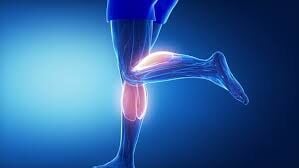
Starting off, with identifying what the calf muscle is made of. There are two primary muscles in our calf, these are namely, the soleus and gastrocnemius. These powerful muscles work together to execute movements easily. Like walking, jumping, running and pushing off the ground. The main purpose of the soleus is to provide stability and support which is a given since its placement is deeper within the calf while the more visible one is the gastrocnemius.
So, what happens when calf muscle pulling occurs? It's when one or more of these muscle fibers overstretch or tear. The severity of the muscle tear is usually classified into three grades,
- Grade 1: Mild strain with minimal fiber damage
- Grade 2: Moderate tear with noticeable pain and swelling
- Grade 3: Severe tear or rupture, it requires medical intervention in most cases.
Having an understanding of this structure can help clarify why even a small strain can make walking or other simple activities, even just bearing weight can become extremely difficult.
Immediate Steps to Take After a Calf Muscle Pull
If you feel that sudden pain, tightness or a popping sensation in your leg immediately stop what you're doing it could possibly be calf muscle pulling. The first few minutes and hours is a crucial time after having the injury, what you do right after could affect your recovery. So, try to avoid continuing the activity or task because it can make the strain worse. What you should do instead is,
Rest - stop using the injured leg to prevent further tearing.
Ice - apply ice in the swollen area for 15 - 20 minutes at a time to reduce the swelling.
Compression - use a bandage to stabilize the area
Elevation - keep your leg in an elevated position to minimize its inflammation.
These are the foundation of your effective recovery. Following these steps can essentially help you to manage the pain and prevent any additional damage to your already torn muscles.
Common Causes and Risk Factors for Calf Strains
Calf muscle pulling can happen anytime of day, even when you're just doing some simple everyday tasks. Understanding what triggers it, can help you avoid any future injuries. Common causes can range from,
Sudden movements - the abrupt change in direction, explosive jumps, or quick acceleration can put on an intense stress on the calf muscles that could lead to tearing.
Overuse - Doing continuous activity for a long period of time, without proper rest can weaken the muscle fibers and break.
Tight muscles - lack of stretching can lead to a significant decrease in flexibility, which makes the muscles prone to tearing.
Poor kind of footwear - more strain is directed to the calf when your shoes can't provide the proper support that the legs need.
Inadequate warm-up - skipping warm-up exercises can leave muscles stiff and lead to injury.
Age-related changes - muscle elasticity decreases naturally as people age which also raises the chance of pulling.
When you've become aware of the risks factors of calf strains you can make smarter choices in your exercise habits and even in your daily routines.
Effective Home Treatment Strategies (R.I.C.E. Protocol)
Ever heard of the R.I.C.E method when caring for a calf muscle pulling? This strategy remains the most trusted approach for an initial at-home treatment, Rest, Ice, Compression and elevation. This is the most simple, accessible but still highly effective treatment especially in the crucial time of 24 - 72 hours after the incident.
Rest - Avoid doing any weight-bearing activities. Use crutches only if you really need it.
Ice - place ice packs in the area multiple times a day, this is to reduce the swelling and numb pain.
Compression - a bandage or elastic wraps can help minimize swelling, adds support and provides stability.
Elevation - keeping the leg raised above heart level increases circulation and reduces the fluid buildup which decreases the swelling.
Once the swelling has come down. You can do some gentle massages, if recommended by your doctor, you can take anti-inflammatory medication and make sure to keep yourself properly hydrated. Doing these can also support the healing process of your torn muscles.
Specific Stretches and Exercises for Rehabilitation
By the time when the initial swelling and pain have decreases from the calf muscle pulling, you can start working on the rehabilitation exercises to restore the mobility, strength and flexibility by doing these simple exercises,
Gentle calf stretches - to do this, you stand facing the wall with one leg behind you and lean forward gently. Keep your heel down and stretch both the gastrocnemius-straight leg-and the soleus-bent knee.
Seated Towel Stretch - Sitting with the leg extended, loop a towel around your foot and start pulling it toward you, gently.
Heel Raises - Start with both feet on the floor; slowly rise onto your toes, then lower. When you feel you are getting stronger, you can try single-leg heel raises.
Ankle Mobilization - Rotate your ankles slowly in a circular motion; this can be helpful in restoring the range of motion and encouraging circulation.
Although these exercises are a great form of rehabilitation it's still important to be cautious when doing them, especially when you're still feeling discomfort and pain. If that's the case it's better to stop doing them and take more time for your healing.
Recognizing When a Calf Pull Needs Professional Attention
There are times when a case of calf muscle pulling can't just be handled at home. Knowing the signs that you may be needing a medical intervention is a must. A consult with a doctor or a physical therapist becomes necessary at this point.
Not being able to walk without significant pain
Severe swelling or bruising
Continuous pain even after a week of at home care
A popping sound at the time of injury
There has been no improvement after 10 - 14 days since the injury
Imaging tests can be asked by a doctor to check the extent of the tear properly. A specialized treatment with a physical therapist can also be recommended, depending on your case.
Prevention Techniques: Warm-Up, Hydration, and Nutrition
So, can you prevent a calf muscle pulling to happen? The answer really depends on a lot of factors. It could be achieved with a rather proactive approach. Including supportive habits into your routine that can help strengthen your muscles which can significantly reduce the risks of injuries.
Warm-Up Properly
To increase flexibility and blood flow, doing regular warm-ups can help. Activities that you can try,
Dynamic leg swings
Light Jogging
Gentle ankle mobility exercises.
Hydration
Cramps and strain are more likely to happen when your muscles are dehydrated. It's important to drink water consistently throughout the day and not just when you're doing some workouts.
Healthy Nutrition
Try to have a balanced diet with enough amount of protein, magnesium, potassium and calcium. This supports muscle strength and repair the torn ones.
Perform regular stretches
Doing daily stretches can improve flexibility and prevents stiffness
Wear a supportive footwear
Invest in shoes that can provide strong arch support and shock absorption.
When you're consistent with incorporating these exercises and make them into a daily habit, it drastically lowers the chances of calf muscle pulling in the future.
The Gradual Return to Physical Activity After Recovery
It's tempting to go full on back to doing your usual activities after a calf muscle pulling incident. But it's important to understand that going back requires time and patience, it should be done gradually. Rushing into your usual activities can cause re-injury which is commonly takes longer to heal than of the original strain, so take it phase by phase.
Phase 1 - Gentle Mobility Phase: start with simple gentle movements and stretches. Light walking can also help but make sure to do so when the pain had subsided.
Phase 2 - Controlled Strengthening: along with the gentle mobility phase, you can start adding calf raises, step-ups, and light resistance exercises.
Phase 3 - Low-Impact Cardio: activities like swimming, elliptical workouts, and cycling can help maintain fitness without overloading the calf.
Phase 4 - Progressive Training: you can now slowly increase the speed, intensity, and duration of your workouts. But still avoid sprinting or doing some explosive movements not until your calf feels fully stable.
Phase 5 - Full Activity: Once you feel that your mobility and strength has returned without pain, you can resume your regular routine.
It's important to listen to your body to ensure that you're all good in moving and prevent any repeated strains.
Conclusion
Calf muscle pulling injury doesn't just limit your mobility, it also disrupts your everyday life and hold you back from performing your best. So, having an understanding of the main causes behind it, how you can prevent it from happening, and how you can support proper rehabilitation, you're doing more than enough for yourself to a full-on recovery. Taking the proper steps into treatment, extending patience and being consistent, you can heal well in no time. From an athlete, an active parent, or just someone overstrained by daily life activities, you can bounce back to your usual self, all healed and in a good shape.


(0) comments
We welcome your comments
Log In
Post a comment as Guest
Keep it Clean. Please avoid obscene, vulgar, lewd, racist or sexually-oriented language.
PLEASE TURN OFF YOUR CAPS LOCK.
Don't Threaten. Threats of harming another person will not be tolerated.
Be Truthful. Don't knowingly lie about anyone or anything.
Be Nice. No racism, sexism or any sort of -ism that is degrading to another person.
Be Proactive. Use the 'Report' link on each comment to let us know of abusive posts.
Share with Us. We'd love to hear eyewitness accounts, the history behind an article.