
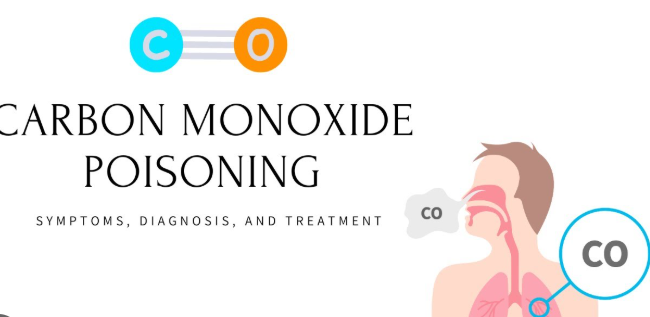
Carbon monoxide (CO) poisoning is one of the most dangerous threats because it’s almost impossible to detect without proper equipment. This toxic gas is colorless, odorless, and tasteless, making exposure a serious risk in homes and workplaces. Short-term symptoms like headaches and dizziness can seem harmless at first, but prolonged exposure can result in devastating consequences. In severe cases, carbon monoxide poisoning can cause permanent neurological damage, affecting victims for the rest of their lives.
Many people underestimate the long-term effects of CO exposure, thinking recovery ends once the immediate symptoms subside. Unfortunately, the damage doesn’t always stop there. Carbon monoxide deprives the brain of oxygen, leading to cell death and lasting impairment. Understanding how this poisoning affects the brain is crucial for protecting your health and seeking proper care.
How Carbon Monoxide Affects the Brain
When carbon monoxide enters the body, it binds to hemoglobin in the blood, reducing oxygen delivery to vital organs. The brain is especially vulnerable since it relies heavily on oxygen for normal functioning. Even short periods of exposure can cause significant harm, leading to confusion, memory loss, and difficulty concentrating. Prolonged exposure can result in permanent cognitive decline and severe neurological disorders.
Damage to the brain can be widespread, affecting different regions that control memory, movement, and emotion. Victims may experience long-term motor impairments, mood disorders, and personality changes. If you or a loved one have suffered from CO exposure, consulting experienced Fredericksburg CO poisoning attorneys can help you seek justice and compensation for ongoing medical needs.
Immediate and Delayed Neurological Symptoms
Carbon monoxide poisoning can trigger both immediate and delayed neurological symptoms, with delayed effects often being more severe.
Immediate Symptoms- Dizziness, persistent headaches, confusion, and nausea are among the first signs of CO poisoning. In severe cases, it can cause loss of consciousness or seizures.
Delayed Symptoms- Symptoms such as vision problems, muscle weakness, and poor coordination may develop days or weeks after the initial exposure.
Delayed Neuropsychiatric Syndrome (DNS)- This condition affects a significant number of CO poisoning survivors and includes memory loss, emotional instability, and reduced motor function.
Persistent Cognitive Issues- Victims may experience long-term difficulties with concentration, problem-solving, and mood regulation, even after treatment.
Early diagnosis and intervention are critical in reducing the severity of delayed symptoms. If neurological changes occur after carbon monoxide exposure, seek immediate medical evaluation to minimize long-term damage.
Cognitive Impairments Linked to CO Poisoning
Cognitive issues are among the most common long-term effects of carbon monoxide poisoning. Victims may struggle with short-term memory loss, reduced attention span, and difficulty processing information. These impairments can interfere with daily activities and make returning to work or school challenging. The extent of cognitive impairment can vary widely among individuals, depending on the severity and duration of the exposure.
In severe cases, cognitive impairments can mimic conditions like dementia. Memory gaps and confusion can become permanent, leaving victims reliant on others for basic tasks. Rehabilitation can help manage symptoms, but the damage is often irreversible. Early intervention and support are crucial in mitigating the long-term effects of such cognitive impairments.
Emotional and Behavioral Changes
Neurological damage from carbon monoxide poisoning doesn’t just affect cognitive functions—it can also alter emotions and behavior. Victims may experience sudden mood swings, depression, or heightened anxiety. These changes can be distressing for the affected individual and their loved ones. The impact on emotional regulation can complicate relationships and hinder support systems during recovery.
Personality changes are also common, with some victims becoming irritable or withdrawn. These emotional shifts are often misunderstood, leading to strained relationships. Recognizing the connection between CO poisoning and these changes is crucial for proper treatment and emotional support. It is important for friends and family to be aware of these changes and to offer patience and understanding during the recovery process.
Diagnosing and Treating Neurological Damage
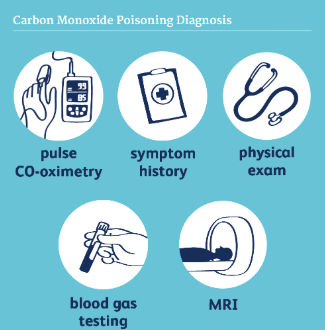
Diagnosing neurological damage caused by carbon monoxide poisoning can be complicated. Physicians use brain imaging tests, cognitive assessments, and blood tests to detect the extent of the injury. Early intervention can improve recovery chances, but ongoing monitoring is often required to track delayed symptoms. Rehabilitation therapies may be necessary to help patients regain lost cognitive and motor functions.
Treatment options may include oxygen therapy, physical therapy, and cognitive rehabilitation. Hyperbaric oxygen therapy is a common approach that helps restore oxygen levels in the brain. While these treatments can reduce the severity of symptoms, they cannot always reverse the damage entirely. In some cases, a combination of these therapies may be most effective in promoting recovery and improving quality of life.
Pursuing Compensation for Long-Term Effects
Victims of carbon monoxide poisoning may face lifelong medical expenses and reduced quality of life. Pursuing compensation can help ease the financial burden and provide access to necessary care. Compensation may cover medical bills, lost wages, and pain and suffering caused by permanent neurological damage. It is essential for victims to seek legal guidance to navigate the complexities of obtaining the compensation they deserve.
Legal professionals can investigate the cause of the poisoning, whether due to faulty appliances or landlord negligence. They can also help hold responsible parties accountable. Working with an experienced attorney increases your chances of securing the financial support you need for ongoing treatment and rehabilitation. They can guide you through the legal process to ensure your rights are protected every step of the way.
Protecting Yourself from Carbon Monoxide Exposure
Preventing carbon monoxide poisoning is the best way to protect yourself from neurological damage. Installing CO detectors in your home is a crucial first step. Make sure detectors are placed near sleeping areas and regularly check that they are functioning properly. Regularly replace the batteries in your CO detectors to ensure they are always ready to alert you in case of an emergency.
Routine maintenance of appliances like furnaces, water heaters, and stoves can also reduce risks. If you live in a rental, verify that your landlord has taken the proper safety precautions. Being proactive can save your life and prevent the devastating effects of CO exposure. In addition, installing carbon monoxide detectors in your home can provide an early warning and further enhance your safety.


(0) comments
We welcome your comments
Log In
Post a comment as Guest
Keep it Clean. Please avoid obscene, vulgar, lewd, racist or sexually-oriented language.
PLEASE TURN OFF YOUR CAPS LOCK.
Don't Threaten. Threats of harming another person will not be tolerated.
Be Truthful. Don't knowingly lie about anyone or anything.
Be Nice. No racism, sexism or any sort of -ism that is degrading to another person.
Be Proactive. Use the 'Report' link on each comment to let us know of abusive posts.
Share with Us. We'd love to hear eyewitness accounts, the history behind an article.