
A home's roof is its first line of defense, sheltering everything within from weather warfare. This critical barrier endures daily bombardment - sun beating down, rain drumming relentlessly, and wind buffeting without mercy. Season after season, year after year, it withstands this assault to protect what lies beneath. Professional roof inspection provides vital intelligence on how well that roof is faring in battle.

Roof Inspection Importance
A roof inspection provides critical information about the condition of a property. Assessing the roof can uncover potential safety issues and expenses that may not be immediately evident. For both buyers and sellers, understanding the integrity of this vital protective barrier enables peace of mind about the home's structural soundness.
Compromises to roof integrity can lead to water seepage, mold growth, destroyed insulation, and even structural failure over time. Identifying issues early allows for preventative maintenance and more affordable repairs before problems escalate. A detailed inspection offers insight into maintenance history and can inform decisions about purchasing, listing price, renovations or major upgrades.
The Inspection Process
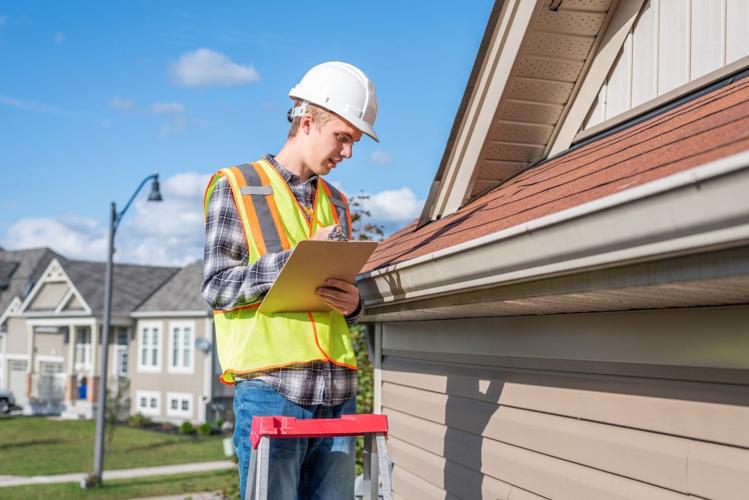
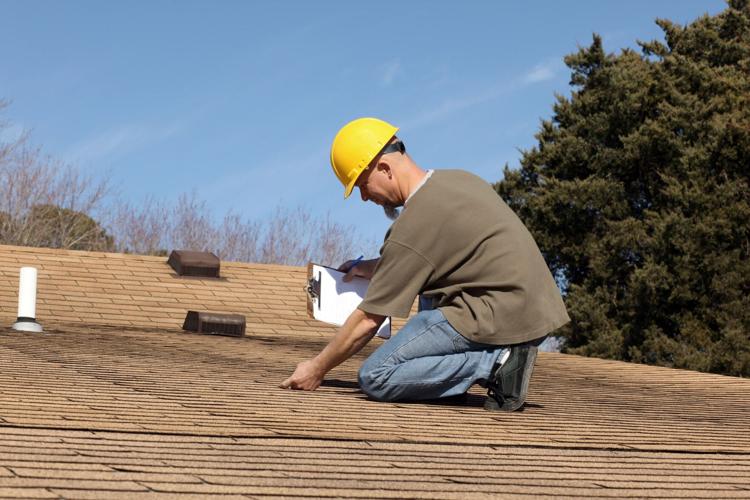
So, what does a home inspector do during their visit? During a roof inspection, the inspector physically climbs onto the roof to closely examine materials for signs of damage. They check for issues like loose, cracked, curled or missing shingles that could allow water intrusion. Flashing around vents, skylights, and chimneys are closely evaluated as these junctions are frequent leak sources if degraded.
The inspector may shuffle their feet to dislodge debris obscuring problem areas. They also scrutinize the surface for indications of pooling water, corrosion, exterior moisture damage or abnormal aging of materials.
The underside of the roof and attic are also scanned for moisture stains, dark spots or wet areas suggesting leaks. Damp or rotting wood signals water penetration. Bathroom or kitchen ceilings are checked below plumbing penetrations upstairs. Advanced tools like infrared cameras can detect concealed heat loss or wetness within walls. The inspector may also use a moisture meter to scan for humidity enabling mold growth.
Exterior Roof Materials
Inspectors first assess the external roof components such as shingles, tiles or metal sheeting. Warning signs include shingles that are loose, missing, cracking, curling or otherwise compromised. Brittle, elderly or strangely mismatched materials indicate the roof nears the end of its lifespan.
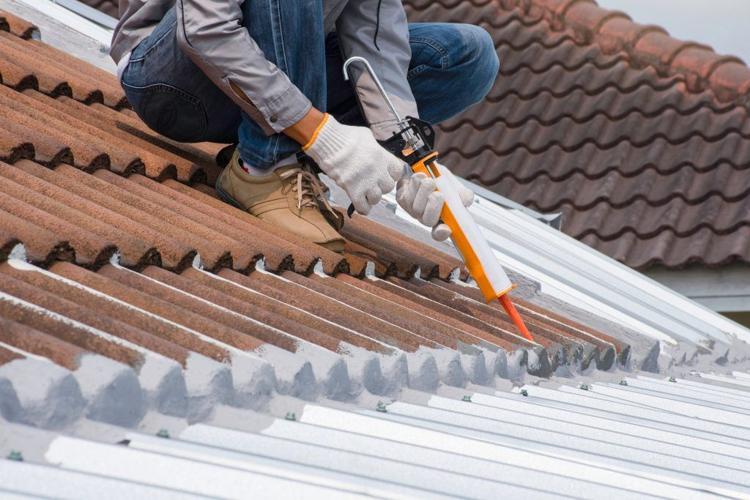
Moss growth shows moisture retention that can progressively expand tiny cracks and damage roof materials over time if unchecked. Rusting, holes, separation or deterioration of flashing around chimneys, vents and junctions may also be examined. Dislodged nails, broken sealants or gaps at intersections can admit water if not repaired.

Interior Roof Elements
When it comes to the inside of the roof, inspectors focus their attention on areas like the attic where evidence of roof trouble often first appears. Look out for signs of dampness, rotting wood, or dark spots on the attic's ceiling or floor which point towards leaking issues - a potential nightmare for homeowners.
Also, a strong musty odor in your attic space could suggest there is a buildup of excess moisture. Visible mildew and mold are clear signs this issue needs urgent attention.
Sagging ceiling boards in the attic can indicate a more severe structural problem which threatens the stability and safety of your home.
Rain Gutter Evaluation
Evaluating the condition of rain gutters forms a crucial part of any roof inspection. These vital systems play an essential role in directing water away from your house to avoid erosion, flooding basements and crawl spaces,
If they are blocked with leaves and debris or damaged in any way that prevents them from doing their job effectively, it's a definite red flag. You might find yourself dealing with significant water-related damage down the line.
Overfull gutters may cause spillovers onto exterior walls causing discoloration and potentially infiltrate your home's interior causing further problems.
Detecting Water Damage
Water can severely impact building integrity in multiple ways. Prolonged dampness enables mold colonization inside walls which can trigger respiratory issues. Concealed moisture also damages structures. As wood rots, stability declines.
Inspectors spot warning signs of water damage like stained, peeling or bubbled sections of walls and ceilings suggesting roof leaks. Newly patched sections may temporarily obscure larger compromised areas. Bulges containing trapped moisture also warrant exploration to determine necessary repairs for health and to prevent incremental long-term structural damage.
Assessing Storm Damage
A key role of a home inspector is assessing potential storm damage. Storms can introduce stress on your home, with high winds dislodging tiles or shingles and hail causing bruising or exposing the vulnerable underlying layer. This exposes your home to possible leaks.
Inspectors look for denting in metal flashings, missing granules from shingles, and other signs of impact damage that a storm may have caused. If left unchecked this can lead to greater concerns down the line.
Busted rain gutters are another consequence of severe storms that inspectors add on their checklist. They ensure that any anomalies get addressed before escalating into major problems.
Sunlight Inspection Points

Sunlight examination forms part of a comprehensive roofing inspection. If sunlight penetrates your roof, then water will do so too when it rains.
The attic is the most common place where light penetration points are found. And if there's sunlight getting through, chances are you're experiencing heat loss during cooler times and extra heat during warmer periods - leading to inflated energy costs.
Additionally, UV exposure could lead to premature aging of certain roofing materials, making them more prone to cracks and any future leaks.
Ventilation System Assessment
Inadequate airflow diminishes roof life and building comfort in several ways. Poor circulation causes attic heat and moisture buildup straining roof materials and structural components. Dampness promotes mold and decays wood over time.
Inspectors verify sufficient fresh air intake vents and hot air exhaust ports. Blockages prevent proper ventilation while damaged screens admit pests destroying insulation and nesting in sensitive areas. Insufficient ports cause overheating and moisture accumulation even with unobstructed airflow. Correcting deficiencies maintains efficiency.
Insulation Evaluation Steps
Appropriate attic insulation significantly impacts energy costs and moisture control. Poor insulation forces AC and heating systems to overwork trying to regulate interior temperatures. Inspectors check insulation levels for compliance with regional building codes.
They look for wet areas suggesting leaks, ice dams indicating poor ventilation, and animal or pest disturbances compromising efficiency. Upgrades to the latest industry standards may provide substantive savings over time in addition to extending roof and structure longevity by controlling attic humidity.
Mold and Moisture Detection
Spotting mold, mildew, fungi, or any other moisture-related issues forms a critical part of the roof inspection. Even small colonies of mold are a red flag as these thriving families suggest an ongoing water issue that usually instigates costly remediation efforts later.
Prolonged exposure to high levels of moisture from leaking roofs also jeopardizes indoor air quality which negatively impacts residents' health.
An inspector uses specialized equipment including moisture meters & thermal imaging cameras to detect potentially problematic areas even if there are no visible signs yet.
To Summarize
Roof inspection provides vital data to protect this critical home component. Evaluation by a qualified professional enables informed decisions, prompts preventative action if needed and delivers reassurance that this valuable asset is sound.
From minor fixes to identifying major damage requiring extensive renovations, a detailed inspection provides essential feedback on this first line of defense sheltering the rest of the home from the elements.
(0) comments
We welcome your comments
Log In
Post a comment as Guest
Keep it Clean. Please avoid obscene, vulgar, lewd, racist or sexually-oriented language.
PLEASE TURN OFF YOUR CAPS LOCK.
Don't Threaten. Threats of harming another person will not be tolerated.
Be Truthful. Don't knowingly lie about anyone or anything.
Be Nice. No racism, sexism or any sort of -ism that is degrading to another person.
Be Proactive. Use the 'Report' link on each comment to let us know of abusive posts.
Share with Us. We'd love to hear eyewitness accounts, the history behind an article.