
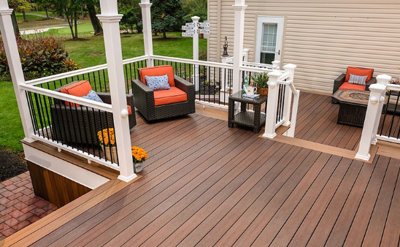

Wood earned its place on the patio over generations. It looks natural, it feels right underfoot, and for most of the 20th century, it was simply the material decks were built from. That default has shifted. Homeowners now have access to materials that can match wood's visual appeal while outperforming it on nearly every practical measure.
That said, picking a material without understanding what it actually delivers is a mistake many buyers make. Decking isn't a short-term purchase. Maintenance schedules, replacement timelines, and climate performance all shape the real cost over a decade or two, not just what you pay at the lumberyard. Doing the research up front matters, and exploring the full range of alternatives to wooden decking is worth the time before making any decisions.
A knowledgeable builder can help narrow this research down to what actually applies to your property. Companies like Precision Deck Builders work through these material trade-offs with homeowners regularly and can speak to how each option performs in real, local conditions rather than just on a spec sheet
Composite Decking
Composite boards are manufactured from a mix of wood fiber and recycled plastic. The result is a surface that reads as visually close to natural wood as possible, without the same exposure to rot, insects, or water damage.
Color and grain options have expanded significantly. Some products now offer deep, realistic wood tones that are genuinely hard to identify at a glance. The real difference, though, shows up after a few seasons in the weather. Composite won't warp, crack, or splinter under normal use, and it skips the annual sealing-and-staining cycle entirely.
Upkeep is about as minimal as it gets—soap, water, and occasional scrubbing. For someone who wants the look of wood without the weekend-maintenance commitment, it's usually the first material to price out.
One honest caveat: composite can get noticeably hot on sunny days, more so than natural wood. If your deck is south-facing and gets full afternoon sun, that's worth thinking through before you buy.
PVC Decking
PVC decking is fully synthetic. No wood fiber anywhere in the board, which makes it categorically resistant to moisture, mold, and staining. Where composite manages water well, PVC simply doesn't interact with it. That distinction matters for pool decks, coastal builds, or any outdoor space that stays consistently wet or humid.
The boards are lightweight, flexible enough to handle temperature swings without issue, and available in a reasonable range of colors. Flexibility is actually an underrated advantage in climates with hard winters and hot summers, where rigid materials can buckle or shift.
The trade-off is appearance. PVC has come a long way, but there's still a slight gap between how it looks and how composite or real wood looks up close. For buyers where performance is the priority and the aesthetic gap is acceptable, it's a solid choice.
Aluminum Decking
If durability is what you're after, aluminum is at the top of the category. It doesn't rot. It doesn't warp. Nothing nests in it, nothing degrades it, and its usable lifespan comfortably outlasts both wood and composite in most climates.
Non-combustibility is a real selling point in fire-prone regions, and the material stays noticeably cooler underfoot than composite, which is worth something in peak summer heat.
The aesthetic is industrial rather than warm. Aluminum suits modern or contemporary builds well, but it's not a natural fit for homeowners picturing a traditional backyard deck with a rustic feel. The upfront cost runs higher than the other options here, though that gap tends to close once you factor in what you won't be spending on maintenance or replacement.
How These Materials Compare to Wood
Natural wood still has a genuine case. Pressure-treated lumber is affordable and widely available. Hardwoods like ipe and teak age beautifully in the right conditions and carry a warmth that no synthetic has fully replicated.
The practical challenges are real, though, and they compound over time. Wood needs consistent protection from moisture, UV exposure, and insects. Without regular sealing and staining, even high-quality hardwoods will gray, crack, and begin to break down faster than most homeowners anticipate. Annual upkeep costs add up, and full deck replacements tend to arrive earlier than the original timeline suggested.
Synthetic materials were designed specifically to solve those problems. The gap between Wood and its competitors has narrowed considerably over the past decade, especially in appearance.
Choosing the Right Material for Your Deck
The right answer depends on your specific situation: local climate, sun exposure, how much maintenance you're willing to do, and what your budget looks like over 15 to 20 years, rather than just year one.
Composite handles most residential builds well. It balances appearance, durability, and cost in a way that works across a wide range of situations. PVC is the stronger call for wet or high-humidity environments. Aluminum belongs on shortlists where fire resistance or maximum longevity is the priority.
Whatever direction you're leaning, order physical samples first. Colors and grain textures photograph differently than they look in real life, and seeing a board in your actual light conditions is worth doing before you're committed to a full deck's worth.
The Bigger Picture
Wood's reputation took a long time to build, and it's not wrong exactly. But the idea that it's the only material capable of producing a high-quality outdoor deck no longer holds up. Composite, PVC, and aluminum products have been engineered specifically to close the gap, and on most of the metrics that matter to homeowners, they've done it.
The competition with classic wood is real. And it's no longer one-sided.

(0) comments
We welcome your comments
Log In
Post a comment as Guest
Keep it Clean. Please avoid obscene, vulgar, lewd, racist or sexually-oriented language.
PLEASE TURN OFF YOUR CAPS LOCK.
Don't Threaten. Threats of harming another person will not be tolerated.
Be Truthful. Don't knowingly lie about anyone or anything.
Be Nice. No racism, sexism or any sort of -ism that is degrading to another person.
Be Proactive. Use the 'Report' link on each comment to let us know of abusive posts.
Share with Us. We'd love to hear eyewitness accounts, the history behind an article.