

As someone who's relatively new to the delightful intricacies of Jewish customs, attending a Passover Seder was like opening a treasure chest of cultural heritage and culinary delights. The Seder, celebrated on the first two nights of Passover, isn't just any dinner—it's a richly symbolic meal peppered with rituals that bring history and spirituality to the dining table.
The Seder A Celebration of Freedom
The word "Seder" translates to "order," and the evening certainly follows a specific sequence of events designed to retell the story of the Exodus from Egypt. This retelling is not just about hearing the story, but experiencing it through taste, sight, and sound. Each item on the Seder plate packs a punch of symbolism, turning every bite into a narrative of struggle, survival, and liberation.
Why Four Cups of Wine?

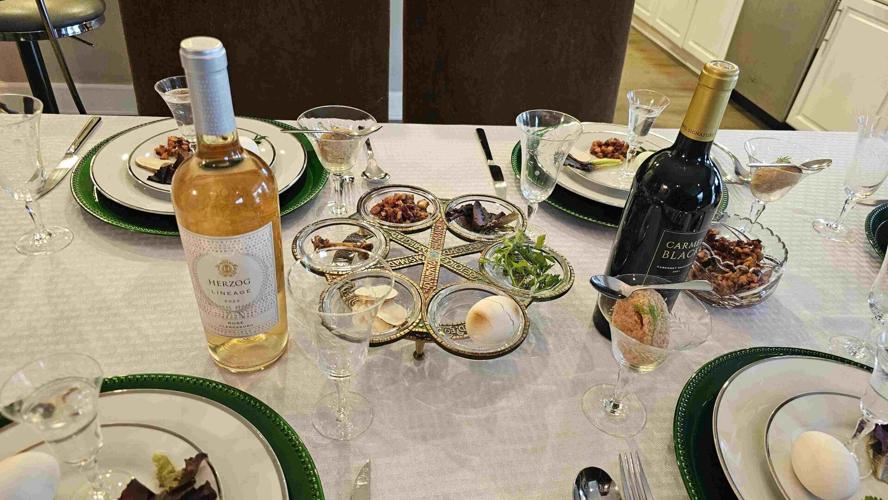
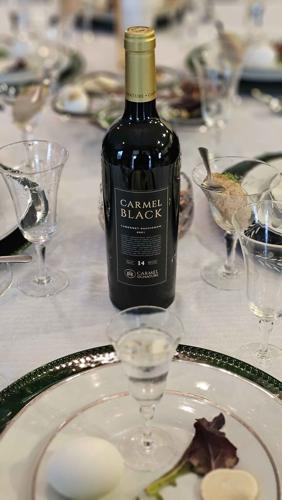
During the Seder, participants drink four cups of wine to symbolize freedom from bondage, emphasizing the sanctity and joy of the occasion. Each cup is a toast to freedom, a solemn reminder of the pain of slavery and the sweetness of liberation. The choice of wine is crucial, and it's traditionally kosher to honor the dietary laws of Passover. At the Seder I attended, we were treated to a Carmel Black Cabernet Sauvignon and a Herzog Lineage Momentus Rosé, both of which added a luxurious depth to our celebration.
The Seder Plate: A Plate of Questions
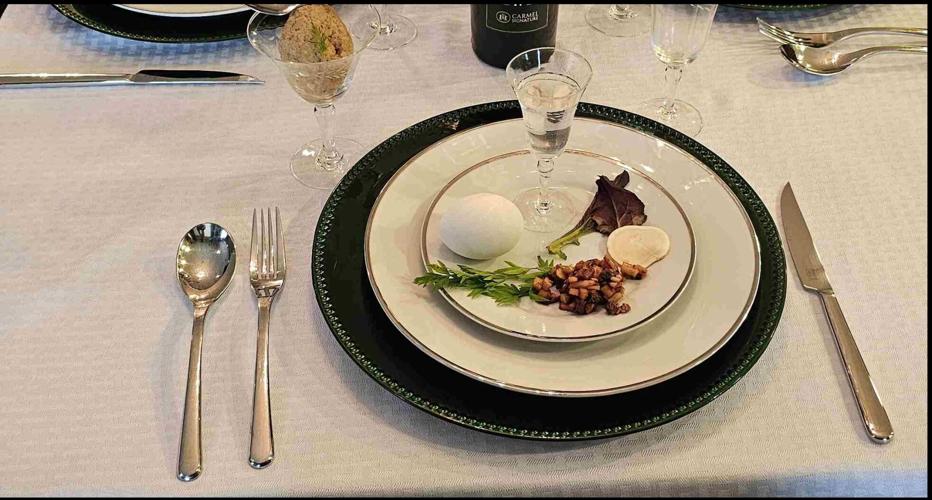
Perhaps the most engaging part of the Seder is the Seder plate itself. Each item is a conversation starter, designed to pique curiosity and encourage questions. Why is the bread unleavened? Why dip herbs in salt water? These questions aren't just for the children; they're gateways for everyone at the table to delve deeper into the Passover story.

What's On the Seder Plate?

Maror (Bitter Herbs): Symbolizing the bitterness of slavery.
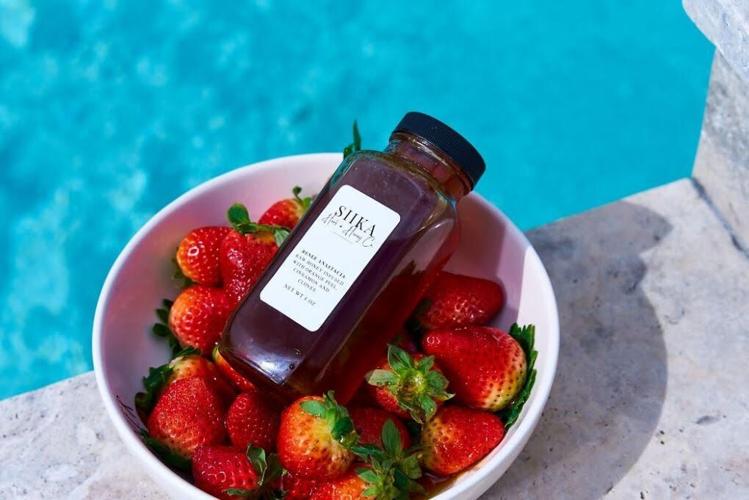
Charoset: This sweet, apple-based paste reminds us of the mortar used by the Israelite slaves. It's a mix of fruits and nuts, and at our Seder, it included apples and SIIKA Herb and Honey—adding a sweet co
mplexity that sparked a lively discussion about ancient recipes and modern adaptations.
Karpas: A vegetable dipped in salt water, representing the tears shed by the enslaved Israelites.
Zeroa: A roasted shank bone, symbolizing the Passover sacrifice.
Beitzah: A roasted egg, representing life and rebirth.
The Matzah More Than Just Unleavened Bread
Matzah, or unleavened bread, is perhaps the most iconic symbol of Passover. It represents the haste with which the Israelites fled Egypt, not having time to let their bread rise. The matzah served at our Seder was homemade, which gave it a warmth and authenticity that store-bought versions simply can't match.
A Culinary Journey Through the Seder
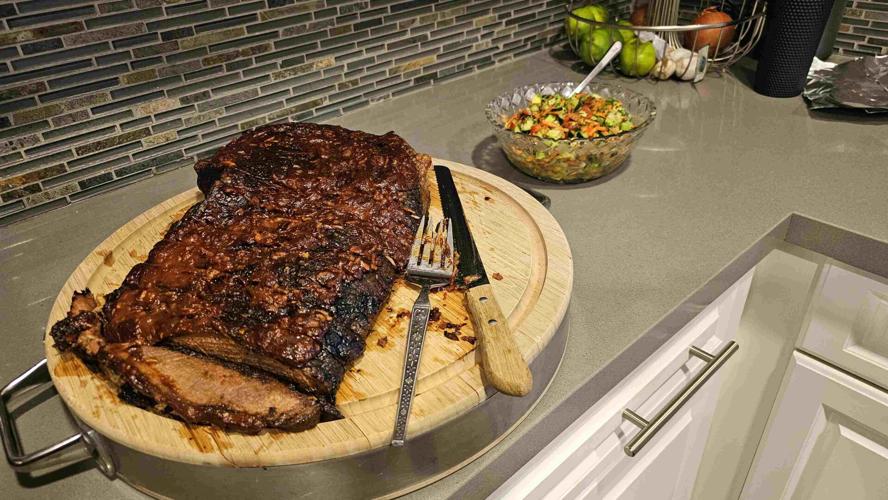
The meal also included matzo ball soup, a hearty beef brisket, a traditional kugel, and a surprisingly delicious flourless cake. Each dish was more than just part of a meal; they were stories told through flavors and textures, each with its own place in the tapestry of Passover.

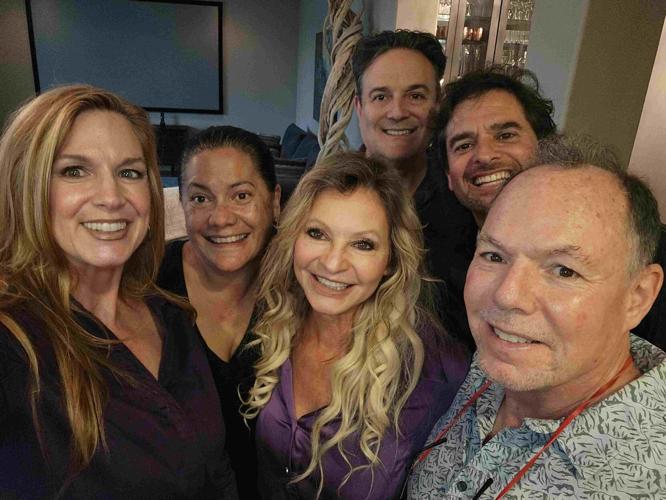
As the evening wound down, we reflected on our spiritual journeys and the bonds of friendship and family. Passover is more than a historical commemoration; it's a celebration of community, continuity, and the ever-relevant struggle for freedom.

Attending a Passover Seder as someone new to the tradition was an enlightening experience, rich with flavors, stories, and laughter. It was a night that reminded me why we cherish traditions—they connect us to our past, but also to each other, across tables laden with the symbols of our shared humanity.
By Heather Winfield


(0) comments
We welcome your comments
Log In
Post a comment as Guest
Keep it Clean. Please avoid obscene, vulgar, lewd, racist or sexually-oriented language.
PLEASE TURN OFF YOUR CAPS LOCK.
Don't Threaten. Threats of harming another person will not be tolerated.
Be Truthful. Don't knowingly lie about anyone or anything.
Be Nice. No racism, sexism or any sort of -ism that is degrading to another person.
Be Proactive. Use the 'Report' link on each comment to let us know of abusive posts.
Share with Us. We'd love to hear eyewitness accounts, the history behind an article.