
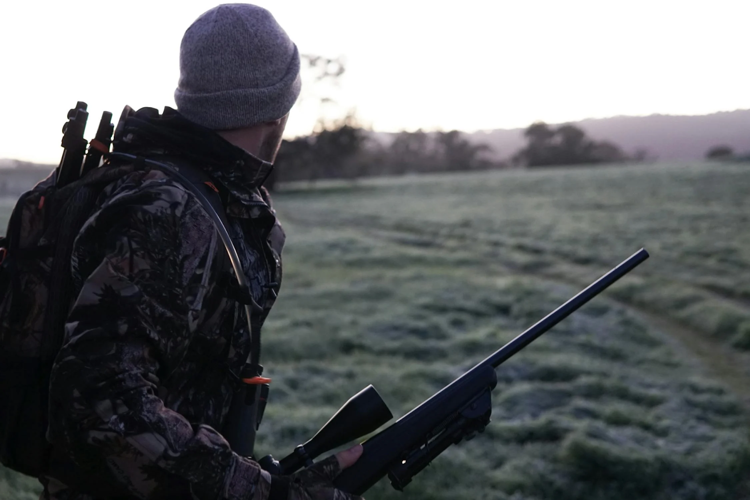
Customizing your hunting rifle is not just about enhancing its performance, but also about creating a weapon that suits your unique shooting style and preferences. Every hunter knows that the way a rifle fits into your hands can impact shooting accuracy and comfort. By adjusting various components, from the barrel to the stock, you can significantly improve your shooting experience. This guide will walk you through essential aspects of customizing your hunting rifle, allowing you to tailor it precisely to your needs.

Choosing the Right Barrel
A rifle's barrel is pivotal in determining accuracy and overall effectiveness. When selecting a barrel, consider factors such as length, contour, and twist rate. A longer barrel typically offers enhanced accuracy for long-distance shooting, while a shorter barrel can enhance maneuverability in dense woods. Another vital aspect is the contour of the barrel, which can affect weight distribution and balance. The twist rate—coded as the number of inches in the length of the barrel that equates to one complete turn—plays a critical role in stabilizing the bullet for a more accurate trajectory. A 1:10 twist rate, for instance, is recommended for heavier bullets, while a 1:12 twist suits lighter options. Taking the time to understand these aspects can result in better shot precision. Moreover, opting for materials, such as heavier steel or lighter alloys, can further align your rifle with specific hunting criteria.
Upgrading the Trigger System
A rifle's trigger is often regarded as one of its most crucial components. An excellent trigger system can mean the difference between a clean shot and a miss. Trigger pull weight—a measure of how much force is needed to release the shot—can be customized within specific parameters for accuracy and comfort. A lighter trigger pull allows for fast shooting but requires more care to prevent unintentional discharge. Conversely, a heavier pull can enhance control, especially in adverse conditions. Additionally, consider the trigger design itself, as some may feature adjustable options for length and over-travel. Modern aftermarket triggers often provide improved tactile feedback, making it easier for shooters to understand the moment of release. Furthermore, ensuring proper installation of the trigger system is essential for safety and reliability.
Optics and Sight Systems
Choosing the right optics significantly enhances the rifle's overall effectiveness. Different hunting scenarios may necessitate varied sight systems; for instance, a scope is excellent for long-range accuracy, while iron sights may be preferable for quick target acquisition in close-quarter situations. Optics are measured in magnification levels and objective diameter, significantly impacting your ability to see and hit targets. Quality reticles and lens coatings can further enhance your aiming precision. Scope mounts also are crucial, as they directly influence eye relief and the overall comfort of your shooting position. A solid mounting system ensures that your optics remain aligned with your rifle even through heavy recoil. For those looking to customize options, many manufacturers offer specialized mounts that allow quick detach features for versatility during a hunting trip.
Picking an Ergonomic Stock
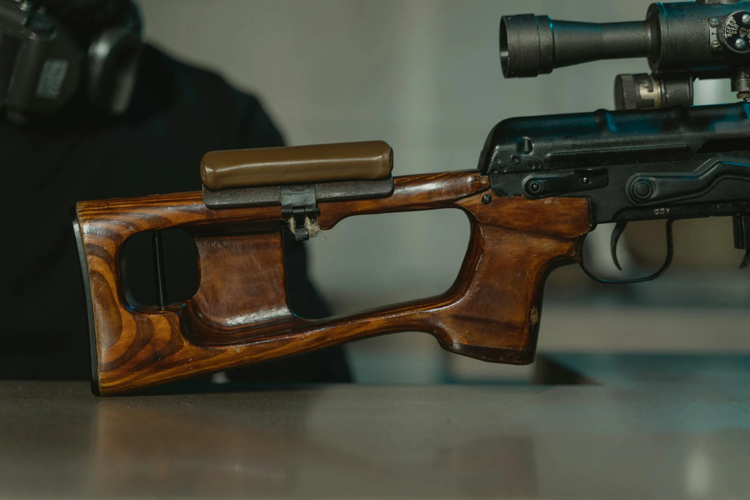
The stock is perhaps the most personal element of a rifle. A well-fitted stock ensures the rifle aligns well with your shoulder and cheek, contributing to improved shooting form. Stocks come in various materials from wood to synthetic composites, each offering unique benefits. Shaping and length of pull also play a role; this is where customization can shine through. Opting for an AR-style buttstock can enhance comfort and adaptability, ensuring optimal fit and adjustability. Additionally, features like adjustable comb height and butt pad can offer increased comfort. Some stock designs also weigh less, enabling quicker handling during field use. Ultimately, the right stock can help mitigate recoil impact and enhance the overall shooting experience, aligning perfectly with the hunter's style and posture.
Caliber Selection
The caliber of your hunting rifle directly affects performance and suitability for various types of game. Different calibers have strengths and weaknesses regarding range, stopping power, and recoil. When selecting a caliber, first consider the hunting environment and target species. For example, a larger game typically requires a heavier caliber for effective lethality. Lightweight calibers may suffice for smaller games, while medium cartridges like the .308 Winchester offer versatility for many hunting scenarios. It's also crucial to consider the availability of ammunition in your chosen caliber; some may be harder to find than others. Establishing a clear choice in caliber will not only influence your customizations but also enhance your overall hunting success.
Enhancing Durability and Weather Resistance
Customizing your hunting rifle for durability is essential for consistent performance in various weather conditions. Opting for corrosion-resistant finishes and materials can significantly prolong the life of your rifle. Moreover, components such as a weather-resistant stock can protect internal mechanisms from moisture and dirt, ensuring reliability in the field.
Additionally, many manufacturers offer protective coatings for barrels and actions, which can further reduce wear and increase longevity. Consider investing in a quality case as well, protecting your rifle during transport. Incorporating these protective features into your customization process will yield a rifle dependable for years to come.
Personalization and Aesthetic Customization
While performance is paramount, many hunters appreciate the aesthetic aspect of their firearm. Personalization can range from custom engraving to unique cerakote finishes, allowing you to add a personal touch to your rifle. These characteristics can reflect individuality and pride in ownership, setting your firearm apart from factory models. Some may wish to add tactical accessories like lights or grips to enhance functionality without sacrificing style. Further, personalized features, such as custom cheek pieces or added sling mounts, can improve utility as well as visual appeal. By balancing performance-focused modifications with aesthetic upgrades, you can create a rifle that is not only effective in the field but also a point of pride in your collection.

Customizing your hunting rifle is a journey that combines personal preference with technical enhancements. Focusing on the right barrel, upgrading the trigger, selecting appropriate optics, and ensuring a perfect fit can significantly impact how effectively you hunt. Considerations of caliber and durability further round out your customization process. Ultimately, a well-tailored hunting rifle becomes an extension of the shooter, increasing confidence and performance.
(0) comments
We welcome your comments
Log In
Post a comment as Guest
Keep it Clean. Please avoid obscene, vulgar, lewd, racist or sexually-oriented language.
PLEASE TURN OFF YOUR CAPS LOCK.
Don't Threaten. Threats of harming another person will not be tolerated.
Be Truthful. Don't knowingly lie about anyone or anything.
Be Nice. No racism, sexism or any sort of -ism that is degrading to another person.
Be Proactive. Use the 'Report' link on each comment to let us know of abusive posts.
Share with Us. We'd love to hear eyewitness accounts, the history behind an article.