
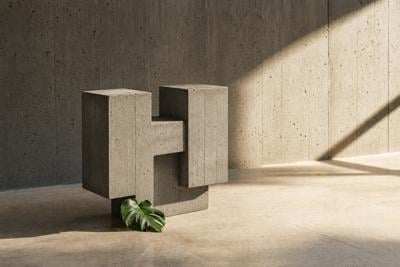

Brutalist design is returning to luxury home architecture, with contemporary projects focusing on geometric forms, durable materials, and a balanced visual presence. The style is being adapted to incorporate textural diversity and a more inviting atmosphere in upscale residential settings.
Known for geometric lines and monolithic forms, Brutalism is being incorporated into luxury homes by those seeking distinctive and enduring designs. Betonblock LLC, used in well-considered high-end spaces, demonstrates how concrete can serve as a visual centerpiece. This renewed interest tends to come from clients who value structure and durability, alongside a focus on skilled workmanship and refined finishes.
The resurgence represents an increased appreciation for architecture that blends visual impact with everyday comfort. This approach is often chosen by those who prefer materials and forms that develop character as they age.
Contemporary interpretations of classic brutalist features
Modern luxury interiors adapt key principles of Brutalist design, such as strong geometry and defined shadow lines, and reinterpret them with a softer approach. Clean lines may be paired with gentle curves or warm accents, helping the architecture feel both substantial and welcoming.
Where earlier Brutalist buildings could seem austere, luxury environments now introduce texture, light, and careful sense of scale. Selected furniture and art interrupt open expanses and help create more intimate areas, illustrating how the design can be tailored for comfort and adaptability.
Concrete’s visual appeal and refined materiality
In luxury homes, exposed concrete surfaces are valued for their natural texture and the sense of calm they bring. When experienced craftspeople apply advanced finishing methods, concrete surfaces may appear subtle and composed. The quality of formwork, pigment choices, and surface treatments can raise the effect well above any traditional industrial feeling.
Variations in tone or board-forming methods often become deliberate design features, introducing a hand-crafted aspect to the visual rhythm. These details help shape the character of the space, providing visual depth without additional decoration.
Blending strong materials with welcoming details
Interiors in this style may combine architectural concrete with wood, glass, natural stone, or layered fabrics to create a balanced environment. Lighting is an important factor in tempering the hardness of concrete, adding depth while preserving the sculptural intent of the design.
Thoughtful use of interlocking concrete block molds, along with features such as rugs, furniture, and ambient lighting, can reduce the risk of a cold or impersonal atmosphere. Architects often add planters, water elements, and carefully chosen greenery to provide further visual contrast and harmony.
These organic additions can introduce vibrancy to minimalist spaces, supporting a balance between structural solidity and inviting living. The aim in many projects is a home environment that feels grounded while retaining a sense of refinement.
(0) comments
We welcome your comments
Log In
Post a comment as Guest
Keep it Clean. Please avoid obscene, vulgar, lewd, racist or sexually-oriented language.
PLEASE TURN OFF YOUR CAPS LOCK.
Don't Threaten. Threats of harming another person will not be tolerated.
Be Truthful. Don't knowingly lie about anyone or anything.
Be Nice. No racism, sexism or any sort of -ism that is degrading to another person.
Be Proactive. Use the 'Report' link on each comment to let us know of abusive posts.
Share with Us. We'd love to hear eyewitness accounts, the history behind an article.