
Remote work is not a passing trend anymore. Many Minneapolis professionals now split their week between home and office, and some never go back at all. This shift has changed what buyers look for in a house. A great kitchen and a nice yard still matter, and today's buyers also want spaces that support their daily work life. Home searches now include questions that were rare just a few years ago, such as how strong the wifi signal is in the basement or whether a bedroom can double as a private call room.

This guide breaks down the exact home features Minneapolis buyers are asking for in 2026, along with real examples of what these features look like in an actual house. Whether you are buying your first home or upgrading to fit a growing remote career, knowing what to look for can save you time, money, and a lot of frustration during your search.
A Home Office That Feels Like a Real Workspace
A spare bedroom with a folding table used to be enough. That is no longer the case. Buyers now want a workspace built into the home from the start, not one pieced together after move-in. This matters most for families where two adults work from home on the same days.
- A separate room with a door: A converted den or extra bedroom used only for calls and focused work, kept away from household noise.
- Built-in storage and shelving: Custom cabinets or shelves that hold files, monitors, and cables without turning the desk into a mess.
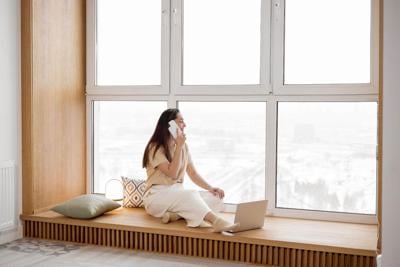
- Natural light near the desk: A window seat facing east so morning video calls look bright without extra lamps.
Homes that already include one of these setups tend to sell faster, since buyers do not want to spend extra money remodeling right after closing. Sellers who add even one of these features before listing often see stronger interest from remote workers touring the neighborhood.
Internet That Never Slows Down
A slow connection can ruin an entire workday. Buyers now check internet speed and provider options before they even schedule a showing, treating it almost like checking the school district.
Fiber-ready wiring is a big draw, along with homes already set up for mesh wifi coverage. A house with dead zones in the office or basement is a hard sell for anyone doing back-to-back video calls. Some buyers now ask sellers for a copy of recent internet speed test results, the same way they might ask about a recent roof inspection.
Outdoor Space Buyers Won't Skip Anymore
A patio or small deck gives remote workers somewhere to take a lunch break or a call without staring at the same four walls all day. Even a modest backyard with a shaded seating area adds real value now. A simple example is a covered porch with an outlet nearby, which lets someone work outside for an hour on a nice afternoon without losing their internet connection.
Local teams like Sota Home Buyers have noticed this shift firsthand, pointing out that Minneapolis buyers increasingly ask about usable outdoor space during the very first walkthrough, not as an afterthought near the end of a tour.
Layouts That Work for More Than One Person
Households with two remote workers need more than one quiet corner. Layout flexibility has become one of the top requests from Minneapolis buyers touring homes this year.
- Two home offices instead of one: A finished basement room paired with a main-floor den so both people can take calls at the same time.
- Flexible bonus rooms: A loft or extra living area that can shift between a playroom, gym, or third office as needs change.
- Pocket doors with sound control: Sliding doors that close off a workspace quickly without taking up swing space in a tight hallway.
- Mudroom or side entrances: A separate entry point that lets a home-based worker step outside for a walk between meetings without disrupting the rest of the house.
A Quiet Corner Away from Noise
Sound control matters just as much as square footage. Buyers now ask about wall insulation, carpet in the office, and distance from the kitchen or laundry room, since a dishwasher running during a client call is a common complaint among people who work from home full-time. A well-designed garden room can help solve this problem by creating a quieter, dedicated workspace away from the busiest areas of the home.
A simple example is a home office placed at the far end of the house, away from the garage and main living area, so household activity does not bleed into recorded meetings or calls.
Pro Tip: When touring a home, bring your laptop and test the wifi signal in the room you plan to use as an office. It takes two minutes and saves a lot of guesswork later.
What This Setup Means for Your Next Search
Remote work has settled in for good, and Minneapolis buyers are shopping with that reality in mind. A dedicated office, dependable internet, usable outdoor space, flexible layouts, and quiet rooms are no longer nice extras; they are close to standard requests.
Keeping this list handy during your search will help you find a home that supports the way you actually work and live, not just the way homes were designed a decade ago. Take your time walking through each room and picture a normal workday there before making an offer, since that quick exercise often reveals whether a house truly fits your routine.
FAQ
Q1: What home office features should I look for when buying a house in Minneapolis in 2026?
Answer: Buyers in Minneapolis are looking for dedicated home office spaces that feel like real workspaces. This includes a separate room with a door, built-in storage and shelving, and natural light near the desk to enhance productivity.
Q2: How important is internet speed when searching for a home?
Answer: Internet speed is crucial for remote workers. Many buyers now check internet speed and provider options before scheduling a showing. Homes with fiber-ready wiring and set up for mesh wifi coverage are particularly desirable, as a slow connection can hinder work productivity.
Q3: Why is outdoor space becoming a priority for home buyers?
Answer: Outdoor space is increasingly valued by remote workers as it provides a change of scenery for breaks or calls. Even modest outdoor areas like a patio or covered porch with an outlet can significantly enhance a home’s appeal to buyers who work from home.
Q4: What layout features should I prioritize for a household with two remote workers?
Answer: Look for homes that offer flexible layouts, such as two home offices, flexible bonus rooms that can serve multiple purposes, and pocket doors for sound control. This flexibility allows both remote workers to have their own quiet spaces for calls and focused work.
Q5: How can I ensure a quiet working environment in a new home?
Answer: When searching for a home, consider sound control features like wall insulation and carpet in the office. Look for homes where the office is located away from noisy areas like the kitchen or laundry room, ensuring a quieter space for work and meetings.


(0) comments
We welcome your comments
Log In
Post a comment as Guest
Keep it Clean. Please avoid obscene, vulgar, lewd, racist or sexually-oriented language.
PLEASE TURN OFF YOUR CAPS LOCK.
Don't Threaten. Threats of harming another person will not be tolerated.
Be Truthful. Don't knowingly lie about anyone or anything.
Be Nice. No racism, sexism or any sort of -ism that is degrading to another person.
Be Proactive. Use the 'Report' link on each comment to let us know of abusive posts.
Share with Us. We'd love to hear eyewitness accounts, the history behind an article.