
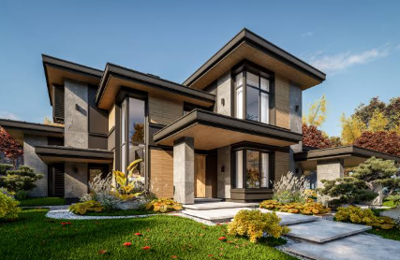

Buying a luxury home looks simple from the outside. Big rooms, great views, and a clean finish can make the deal feel easy. But the money side can get messy fast. In this guide, we will break down the real costs, the hidden fees, and the smart checks that matter most. We will also look at loan choices, long-term upkeep, and the small details that can change the whole deal.
Why this guide matters before you make an offer
A luxury home can pull you in before your brain catches up. That is the fun part, and also the risky part. A good view can hide a high tax bill. A fresh kitchen can hide costly repairs. A strong first offer can turn weak if the numbers do not fit your life. That is why this guide exists. It gives a clear path through the money side, without the fluff.
Many buyers focus only on the price tag. That is a mistake. The real cost goes past the sticker. You may face a larger down payment, higher closing costs, and more money for care after the sale. You may also need help with loans if cash is not enough. For some buyers, options like VA home purchase may help shape the plan in a smarter way. We will look at the parts that matter, so the home you want does not become the one that strains your budget.
Luxury homes ask for more than taste. They ask for calm thinking. They ask for a clear plan, steady cash flow, and a bit of patience too. By the end, you will know what to check, what to ask, and what to avoid. That makes the whole process less scary. And let’s be honest, scary is not a word anyone wants next to a dream home.
How to judge the full purchase price
The list price is only the start. That part is easy to see, but it does not tell the full story. Luxury homes often sit in high-end areas, and that can raise many costs at once. Taxes can be higher. Insurance can cost more. Even the loan, if you use one, may need a larger cash share up front. So, the first job is not to ask, “Can I buy this house?” It is to ask, “Can I carry this house well?”
You also need to look at the payment shape, not just the price. A large down payment can help lower monthly stress, but it can also drain cash. That cash may be needed later for repairs, moves, or life changes. Closing costs can rise fast too. Title fees, lender fees, appraisals, and legal work can all stack up. A luxury home can make these costs feel small at first, but they are not small at all.
Recent data from the U.S. Census Bureau Housing Vacancies and Homeownership Report shows that the U.S. homeownership rate was 65.3% in the first quarter of 2026. The rate was 65.1% a year earlier, showing that ownership levels have remained relatively stable. This highlights why buyers continue to compete for quality homes in desirable markets. For luxury property buyers, understanding overall housing demand can help when evaluating pricing and long-term value.
- Check the down payment before you fall in love with the home.
- Add closing costs to the total, not the side note.
- Review taxes, insurance, and fees for the area.
- Keep cash back for early fixes and surprise bills.
A smart buyer looks at the full picture. Not just the front door, but the whole road that leads to it.
What loan details matter most
Luxury property loans work a little differently from standard home loans. The bigger the price, the more strict the checks can be. Lenders may want to see high income, clean credit, and solid savings. They may also ask for more proof if the home is very costly or if it has unique features. That is normal. It just means the loan review is less relaxed and more careful.
Your rate matters, of course. But the loan shape matters too. A lower rate is nice, yet fees, terms, and down payment rules can still change the total cost. Some buyers like fixed rates because they bring steady payments. Others want more room in the short term. The right choice depends on your cash, your goals, and how long you plan to stay. If you may move soon, the math can look different from a forever home. That is why the loan should fit your life, not just the house.
According to the National Association of Realtors Profile of Home Buyers and Sellers, the typical first-time home buyer reached a record median age of 38, while repeat buyers reached 61. The report also found that first-time buyers accounted for only 24% of the market. These figures show how affordability and financing challenges are shaping buying decisions. Luxury buyers can benefit from careful loan planning and strong financial preparation before entering the market.
- Compare rate, term, and fees together.
- Ask how much cash you need at closing.
- Check if pre-approval is strong enough for the market.
- Read the fine print on payment changes and penalties.
A luxury buy should feel rich in value, not rich in stress.
Why upkeep costs can surprise buyers
A fancy home can cost more after closing than before it. That is where many buyers get caught. Large roofs, custom floors, pools, smart gear, and high-end systems all need care. Some of these parts look strong, but they still age. And when they age, the fix is rarely cheap. So the home may look perfect on day one and still bring money pain in month six.
You need to think in years, not just in the move-in moment. Ask how old the roof is. Ask how well the heat and cool systems work. Ask about pool care, lawn care, and security service if the home uses them. A luxury home often needs special help, and special help costs more. Even small things can add up. One broken part may need a rare piece. One service visit may take longer than expected. That is the price of a custom setup.
- Review repair history before you sign.
- Set aside a monthly care fund.
- Look for signs of older systems and past water damage.
- Ask what parts need expert service.
A home is not just bought. It is maintained. That part never stops.
How to protect your budget after closing
The best luxury buyers stay calm after the sale. That sounds simple, but it matters a lot. Once you move in, the bills do not end. They shift. You may still need furniture, decor, repairs, staff help, or upgrades. If the home has acreage, a pool, or complex tech, the cost can grow even more. So, the goal is to leave closing with room to breathe.
A good budget does not run on hope. It runs on real numbers. Start with your monthly income. Then list the fixed costs. Add taxes, insurance, maintenance, and care. Leave space for a bad month too. Many buyers forget this part. They think the home will “settle in” and get cheaper later. Sometimes it does. Often, it does not. It is better to plan for the true cost from the start.
- Keep a cash reserve after closing.
- Track monthly costs from day one.
- Delay extra upgrades until the budget is stable.
- Review spending each quarter, not once a year.
This is where smart buying shows. A luxury home should fit your life, not steal the fun from it.
What smart buyers do before the final sign
Good buyers slow down at the right time. They do not rush just because the home is pretty or the market is hot. They check the loan terms. They check the taxes. They check the repair list. They ask direct questions and keep notes. That careful step can save a lot of regret later. In a high-end purchase, small misses can become big bills.
It also helps to get the right people around you. A sharp loan expert, a trusted inspector, and a tax pro can make the process much clearer. They do not need to talk fancy. They need to spot risk early. That matters because luxury homes can hide more moving parts. The more complex the home, the more you need simple eyes on the numbers. It is a bit like buying a nice car. The polish is great, but the engine still needs a check.
- Ask for every cost in writing.
- Review the home twice if needed.
- Compare the home cost with your long-term goals.
- Do not skip the inspection, even on a dream property.
The final sign should feel steady, not rushed. That is the mark of a smart buy.
Closing thoughts on buying with confidence
A luxury property can be a great move, but only when the money side stays clear. The price is just one piece. Loans, taxes, upkeep, and reserves all matter too. When those parts line up, the home feels like a win. When they do not, even a beautiful place can feel heavy.
We believe the best buyers keep things simple. They look past the shine. They ask the hard questions. They protect cash after closing. That approach brings peace, and peace is worth a lot when the home is this big. So take your time, check the full picture, and move with care. The right luxury home should support your life, not stretch it thin.

(0) comments
We welcome your comments
Log In
Post a comment as Guest
Keep it Clean. Please avoid obscene, vulgar, lewd, racist or sexually-oriented language.
PLEASE TURN OFF YOUR CAPS LOCK.
Don't Threaten. Threats of harming another person will not be tolerated.
Be Truthful. Don't knowingly lie about anyone or anything.
Be Nice. No racism, sexism or any sort of -ism that is degrading to another person.
Be Proactive. Use the 'Report' link on each comment to let us know of abusive posts.
Share with Us. We'd love to hear eyewitness accounts, the history behind an article.